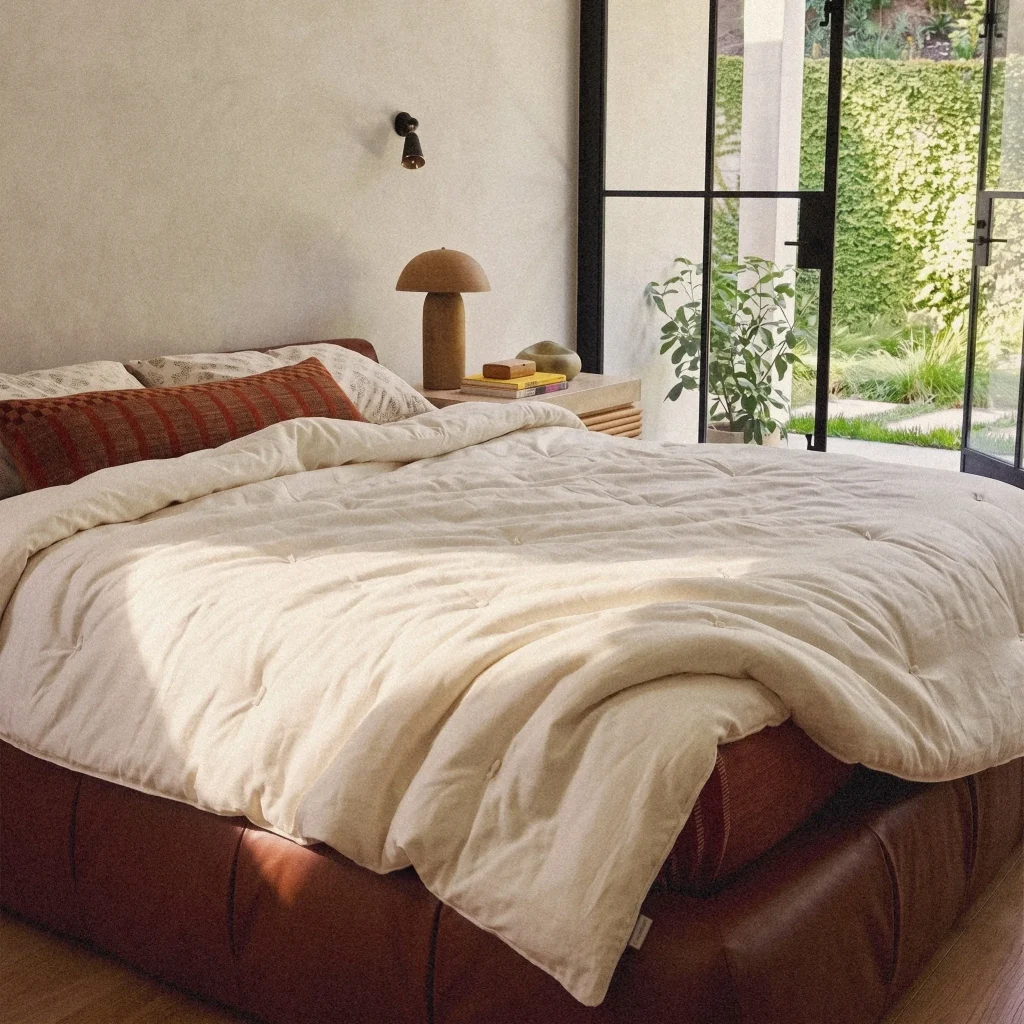
A good night’s sleep starts with what we’re sleeping on (and under!). We spend roughly a third of our lives in bed, so I believe the materials we surround ourselves with deserve just as much attention as the clothing we wear every day. While finding the right non-toxic mattress and sustainable pillows is important, choosing a natural, breathable comforter can make a difference in how comfortable we feel throughout the night.
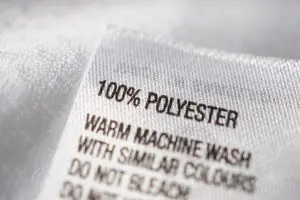
Unfortunately, many conventional comforters use synthetic materials like polyester in both the outer fabric AND the filling. Polyester is a petroleum-based plastic fiber, and while it may be inexpensive and easy to care for, it’s not my first choice for something I’m sleeping with every night.
Synthetic comforters can trap heat & moisture, making them uncomfortable for people who sleep hot. Polyester also contributes to microfiber pollution, and some bedding products may contain chemical finishes that aren’t always clearly disclosed.
Fortunately for us, plenty of beautiful comforters are made from natural materials like organic cotton, wool & responsibly sourced down. These materials can offer excellent breathability, comfort, and temperature regulation without relying on plastic-based fibers.
In this guide, I’m sharing some of my favorite sustainable & non-toxic comforters made with consciously sourced materials. Whether you’re looking for something lightweight for summer or cozy & warm for winter, these options help you create a healthier, more comfortable sleep environment.
Disclosure: Some links in this post are affiliate links, meaning we may earn a small commission at no extra cost to you. We only share brands we genuinely believe in, and your support helps us continue creating honest, independent content. Thank you for supporting our work! ♡ Cover Image: Circadian
What Makes a Comforter Sustainable?
A sustainable comforter should be thoughtfully made, comfortable to sleep under, & designed to last for years. But sustainability goes beyond simply choosing an organic fabric. I also look at what’s inside the comforter, how the materials are sourced, whether the brand uses harmful chemical treatments, and how transparently it approaches manufacturing
1. Natural & Responsibly Sourced Materials
One of the first things I look for is a comforter made with natural fibers rather than petroleum-based synthetics. I prefer organic cotton, linen, hemp, wool, and responsibly sourced down. Pay attention to both the outer shell and the filling. A comforter might advertise an organic cotton cover but still contain polyester filling, so I always recommend checking the full material breakdown before you buy.
2. Breathability & Temperature Regulation
Since we’re sleeping under our comforters for hours every night, breathability matters. Natural fibers like cotton let air circulate, while wool is especially good at managing moisture & helping maintain a comfortable sleeping temperature. A comforter’s weight and construction also affect how warm it feels, so choosing the right option for your climate and sleep preferences is as important as the material itself.
3. Safer Dyes & Chemical Finishes
I also prefer bedding made without unnecessary chemical treatments, particularly stain-resistant finishes & certain water-repellent treatments that may contain PFAS. Certifications can help us better understand what’s in our bedding. Some of the labels I recommend looking for include:
- GOTS (Global Organic Textile Standard): Verifies organic fiber content and includes requirements for textile processing, chemical inputs, and social criteria.
- OEKO-TEX STANDARD 100: Tests textile products for a range of harmful substances. However, this certification doesn’t necessarily mean a product is organic or made from natural fibers.
- MADE SAFE: Screens certified products for substances considered harmful to human health and ecosystems.
4. Ethical & Transparent Manufacturing
Sustainability should also include the people making our bedding. I appreciate brands that share information about their factories, labor standards, & supply chains. Fair Trade certification, independent factory audits, & transparent sourcing practices can all provide useful information, although no single certification guarantees that every worker receives a living wage.
5. Durability & Long-Term Use
A well-made comforter should last for years with proper care. Look for durable stitching, secure construction, and quilting or baffle boxes that help keep the filling evenly distributed. I would much rather invest in one quality comforter that lasts than continually replace inexpensive options that lose their shape or fall apart.
What Are the Best Eco-Friendly Materials for Comforters?
When shopping for a sustainable comforter, I always recommend starting with the materials. Not all fabrics are created equal, and the fiber content can affect everything from breathability and warmth to environmental impact. Personally, I prefer comforters made with natural fibers and fillings rather than polyester or other plastic-based materials. Here are some of the materials I recommend looking for.
1. Organic Cotton
Organic cotton is one of my favorite bedding materials because it’s soft, breathable, & comfortable against the skin. Unlike conventional cotton, certified organic cotton is grown without most synthetic pesticides & fertilizers. I especially recommend GOTS-certified organic cotton, which sets additional requirements for textile processing and chemical inputs. Organic cotton can be used for both the outer shell and filling of a comforter, making it a great option for anyone who wants to avoid synthetic materials entirely.
2. Wool
Wool is another great choice for natural comforters, especially if you struggle to regulate your temperature through the night. Its natural moisture-management properties help create a comfy sleeping environment & wool insulation provides warmth without feeling overly stuffy. I recommend looking for organic or responsibly sourced wool from brands that prioritize animal welfare, responsible land management & transparent sourcing.
3. Responsibly Sourced Down
Down is a popular natural comforter filling because it’s lightweight, insulating & incredibly cozy. A well-constructed down comforter can provide warmth without the heavy feeling of some other fillings. However, sourcing matters… I recommend looking for certifications like the Responsible Down Standard (RDS), which addresses certain animal welfare practices and prohibits live-plucking and force-feeding in certified supply chains.
4. TENCEL™ Lyocell
While not a natural fiber like cotton or linen, TENCEL™ Lyocell is a regenerated cellulosic fiber made from wood pulp. It’s one of the manufactured fibers I’m more comfortable recommending because of its moisture-management properties and the controlled solvent-recovery process used in its production. TENCEL™ Lyocell can be a lovely option for lightweight comforter shells and certain fillings. Just check the full composition, since some comforters blend lyocell with polyester.
Materials I Prefer to Avoid
Polyester is one of the main materials I try to avoid in comforters, whether in the shell or the filling. As a plastic-based fiber, it relies on fossil-derived raw materials and can contribute to microfiber pollution during washing and use. Polyester bedding isn’t automatically unsafe, but I prefer natural alternatives for their comfort, breathability, & ability to create a sleep environment with fewer plastic-based textiles.
I also recommend looking beyond vague marketing claims like “eco-friendly,” “natural,” or “non-toxic.” Anyone can use these words however they want, so they don’t tell us much. Always check the actual fiber content, certifications, & any available information about chemical finishes before purchasing.
The Best Non-Toxic & Organic Comforters Made From Natural Materials:

1. Circadian Organic Wool Comforter
Materials: Organic Wool, Organic Cotton
Price: $449-739
Circadian makes a beautiful organic wool comforter for anyone who wants a more natural, non-toxic sleep environment. Made with 100% organic New Zealand wool filling and a soft organic cotton sateen shell, this comforter is a great alternative to conventional polyester-filled bedding.
One of my favorite things about wool is its natural temperature-regulating properties. It helps keep you warm in January & cool in July, making this a great year-round comforter! Wool also naturally draws moisture away from your body while you sleep, helping you stay dry and comfortable without constantly kicking off the covers.
I especially appreciate that both the wool filling and organic cotton shell are certified together under GOTS (Global Organic Textile Standard), rather than just one component. The comforter is also hand-tufted in New Jersey to keep the filling evenly distributed. It’s a great option for anyone wanting to move away from synthetic bedding & embrace natural fibers!

2. Coyuchi Lightweight Down Duvet Insert
Materials: Organic Cotton, Responsibly-Sourced Down
Price: $498-698
Coyuchi is one of my favorite brands for organic, non-toxic bedding, and their Lightweight Down Duvet Insert is a beautiful option for anyone who wants a cozy bed without feeling too warm at night. Designed with hot sleepers and warmer climates in mind, this comforter features a 100% organic cotton shell that is GOTS- and Fair Trade Certified, plus responsibly sourced white duck down from the USA.
The 600-fill-power down provides lightweight warmth without unnecessary bulk, while the stitched box construction helps keep the filling evenly distributed. I really like that Coyuchi uses natural materials instead of synthetic polyester filling, creating a breathable, comfortable sleeping environment. Made in the USA, this duvet insert also comes packaged in a reusable organic cloth bag instead of plastic.

3. Buffy Breeze Cooling Comforter
Materials: 100% Eucalyptus Lyocell
Price: $190-290
Buffy is an affordable, conscious bedding brand that specializes in eco-friendly sheets, comforters, duvet covers, and pillows. Designed for temperature regulation, the Breeze comforter is available in twin, queen, king, and California king sizes.
This comforter is ideal if you live in a warm climate or always get hot at night. It retains minimal body heat and absorbs moisture to keep you cool and dry, no matter the room temperature. Buffy’s comforter is light and airy, and it even won the Architectural Digest 2022 CLEVER award. Both the cover and fill are made from Tencel lyocell, produced from sustainably harvested eucalyptus wood pulp.
We love that Buffy discloses the product’s carbon footprint to show customers that even the most sustainable products have an environmental impact! The brand also offsets all CO2 emissions from freight and customer shipments and ships its products in boxes made from FSC-certified recycled materials.

4. Saatva Down Comforter
Materials: 100% Cotton, RDS-Certified Duck Down & Feathers
Price: $295-545
Saatva is known for its luxurious mattresses & thoughtfully designed bedding, and its Down Comforter is a beautiful option for anyone looking to create a cozy, more natural sleeping environment. Unlike many conventional comforters filled with synthetic polyester, this one uses natural duck down and feathers for that fluffy, cloud-like feel we all love!
The outer shell is 100% cotton in a silky-soft, 400-thread-count sateen weave, keeping you breathable and comfortable all night. Inside, you’ll find a blend of lightweight duck feathers and 650-fill-power duck down that provides warmth without feeling overly heavy.
One thing I really like is that the down & feathers are Responsible Down Standard (RDS) certified, which helps ensure better animal welfare practices and traceability throughout the supply chain. The comforter is also hypoallergenic and features a baffle-box construction that keeps the filling evenly distributed. Plus, it comes in three weights (Lightweight, All-Year, and Heavyweight), so you can choose the perfect option for your climate and sleeping preferences.

5. Sleep & Beyond’s myMerino Comforter
Materials: Organic Merino Wool, Organic Cotton
Price: $349-439
Sleep & Beyond is a family-owned manufacturer of organic bedding. It makes its products in Fair Trade-certified factories in Kyrgyzstan, China, and India. The brand offers a four-season comforter, the myMerino comforter, that fits twin, king, and queen beds.
Designed to keep you warm in the winter and cool in the summer, Sleep & Beyond’s comforter helps wick away moisture and regulate your body temperature during the night. The comforter is filled with GOTS-certified organic Merino wool and is also WOOLMARK certified for its 100% pure wool quality. It is encased in a GOTS-certified organic cotton sateen cover.
Sleep & Beyond’s comforter is naturally resistant to mold, dust mites, and mildew. It comes with a five-year warranty and a reusable organic cotton bag. The brand sometimes donates its organic bedding to GIFT, a California nonprofit organization working to prevent human trafficking.

6. PlushBeds Natural Wool Comforter
Materials: Wool, Organic Cotton
Price: $441-627
PlushBeds is a California-based company that sells sustainable mattresses, pillows, and bedding. It offers a hypoallergenic, natural wool comforter that is exceptionally lightweight yet dense, with a naturally springy texture. Very soft and breathable, PlushBeds’ comforter is handmade using ethically farmed, natural wool fill. It also features a GOTS-certified organic cotton sateen cover that helps wick away moisture.
The comforter is hand-tufted and stitched at the perimeter. The wool filling warms evenly without bunching or shifting, providing restorative sleep to all its users. PlushBeds custom-makes its comforter to order in California, and it is non-toxic and free of harsh chemicals and irritating detergents.
The brand donates a percentage of every purchase to the charity of your choice. At checkout, you can choose which nonprofit to support from over 1.5 million organizations. PlushBeds is also rated A+ by the Better Business Bureau, and its products are GreenGuard Gold-certified and eco-INSTITUT certified.

7. Pact Organic Quilt
Materials: Organic Cotton
Price: $175-275
Pact is one of our favorite brands for affordable organic cotton essentials & their bedding collection is just as lovely as their clothing! Their Organic Cotton Quilt is a beautiful option for anyone who wants a more natural, cozy bedroom without relying on synthetic fabrics. Made from organic cotton, this quilt is soft, breathable, and perfect for adding an extra layer of comfort.
I especially love the simple, timeless design that works with almost any bedroom aesthetic. Sometimes we don’t want a big comforter, but rather just something lightweight & easy. It’s the kind of bedding you can enjoy for years, not replace every time trends change. Organic cotton is also a great bedding material because it’s breathable and gentle on your skin.
Pact is known for its commitment to more responsible materials and Fair Trade Certified™ manufacturing, making it a brand worth considering when shopping for everyday home essentials.