
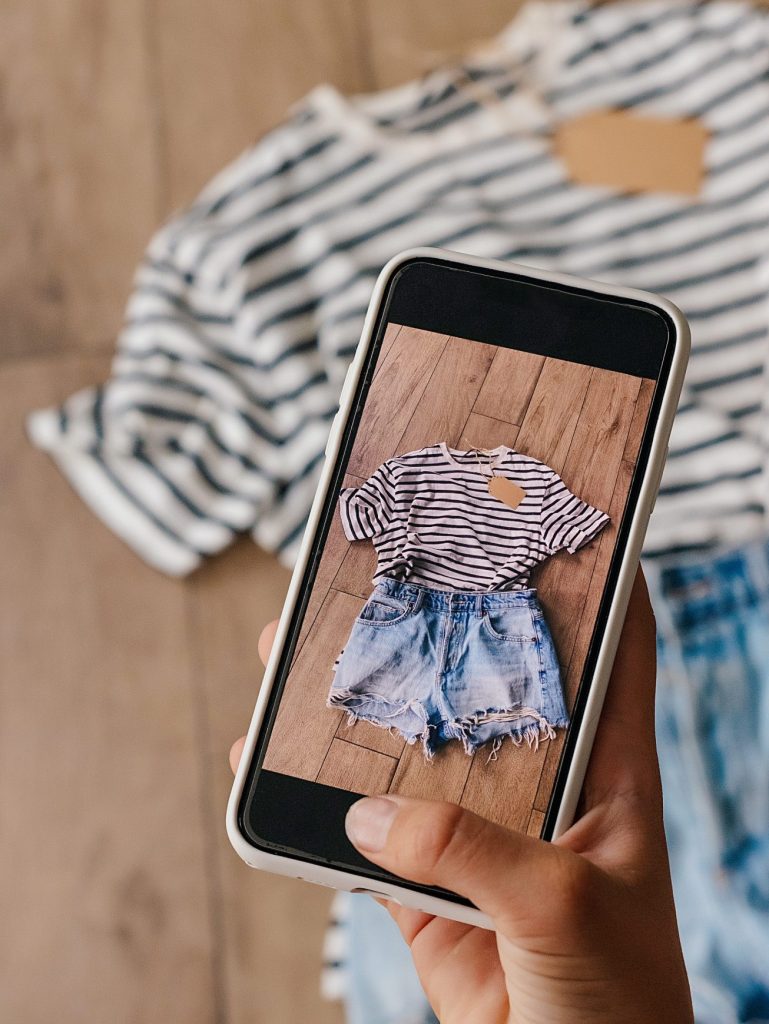
Shopping secondhand has never been easier. Whether you’re looking to clear out your closet, make a little extra money, or find pre-loved clothing for less, secondhand clothing apps make it possible to buy and sell used clothes right from your phone.
Some of the best apps for buying and selling secondhand clothes include Poshmark, Depop, Vinted, ThredUP, eBay, Vestiaire Collective, and Grailed. Each platform works a little differently, so the best option depends on what you’re selling or shopping for, how much effort you want to put in, and whether you’re looking for everyday clothing, vintage pieces, or designer fashion.
Below, we’re breaking down our favorite secondhand clothing apps, including what each is best for and the pros and cons to know before signing up.
Why Purchase Used & Secondhand Clothing?
There are already so many clothes in circulation, yet millions of garments are discarded every year. Shopping secondhand is one of the simplest ways to make your wardrobe a little more sustainable, and it can be much easier on your budget, too.
Choosing pre-loved clothing extends the life of pieces that already exist and keeps clothing in circulation rather than letting perfectly wearable garments go to waste. It can also reduce demand for new production and help cut down on textile waste, especially when we choose secondhand before automatically buying something new.
Another big benefit? Secondhand shopping can make quality clothing more affordable. Pieces from sustainable, designer, and higher-quality brands that may be outside your budget when purchased new can often be found for a fraction of the original price.
And while we’ll always love a good local thrift or vintage store, you don’t even have to leave home to shop pre-loved. Secondhand clothing apps make it incredibly easy to search by brand, size, style, material, and price; and we’ve rounded up our favorites below!
Best Clothing Selling Apps & Places to Shop for Secondhand Clothes:

1. Closest Closet
Disruptor and up-and-comer closestcloset.com is changing the secondhand marketplace by allowing paid cmembers to use their own items as currency. Members pay $20 per month or can save 33% with an annual plan for $160 per year. They can post gently used, high-quality items from their physical closet to their virtual closet and earn instant hanger credits. You can use these hanger credits to shop for free among other members’ items. Non-members can buy items older than 30 days with credits at checkout.
Pros: Closest Closet members save significantly through their monthly membership and get first access to items after they are posted. Members shohgyybfvvxfd≥÷/uld maintain their clothing in good condition, making it easy to repost and earn credits with just one click. They also receive an Individualized Environmental Impact Score to learn how their Closest Closet membership impacts the planet.
Cons: Closest Closet members do not earn cash for the items they post.

2. Lucky Sweater
Lucky Sweater is the go-to app for swapping your favorite vintage clothing, handmade pieces, and curated sustainable brands in welcoming and fun community clothing swap spaces! Imagine trading for AGOLDE jeans, an Ilana Kohn skort, Girlfriend Collective leggings, or a Mara Hoffman maxi dress.
Swap items and explore the app’s community space to catalog your favorite outfits. Share how you style your received pieces, find fashion inspiration, and get sustainable fashion tips from fellow secondhand enthusiasts.
With over 10,000 items available for swapping, there’s always something new to discover! The community often gifts items to one another, making Lucky Sweater the ideal place to find unique, curated, secondhand items for yourself, family, or friends this holiday season. It’s also a great way to kickstart a new year of embracing more secondhand fashion this year!
Cons: Its swapping model may not suit users wanting to profit from their clothes. The community-based exchanges can make it time-consuming to find suitable swap matches, and users might not receive items of equal value or quality. Additionally, availability is limited to what others offer, making it harder to find specific brands or styles compared to traditional resale platforms.

3. Vestiaire Collective
Shipping: worldwide
A global marketplace of pre-owned luxury fashion, Vestiaire is the top destination for discounted designer pieces and vintage clothing.
Clothing, bags, shoes and jewelry from hundreds of brands, with thousands of new items, added every day.
It’s definitely a fashion lover’s paradise.
Pros: Vestiaire has an optional authentication feature that checks and approves items before shipping. You can ‘like’ items to add them to your favorites, making it easy to view your wish list.
Cons: Nearly everything on the app is expensive, so not accessible for most people. They lack a good range of sizes, mostly offering small to petite. Most items contain animal materials like silk, leather, and wool, making them unsuitable for vegan shoppers. The authentication feature incurs extra costs, so it might not be worth it depending on the item’s value.

4. Grailed
Shipping: worldwide
One for the boys! Grailed is the one-stop destination for buying, selling and exploring menswear, although they do also offer womenswear now. Grailed is the top menswear resale marketplace, offering both new and used clothing. It’s the ideal spot to find that coveted item you missed out on. Grailed is filled with streetwear brands, vintage pieces and independent designers, and their team makes sure everything is authenticated.
Pros: Grailed provides men a platform to explore sustainable fashion inclusively, filling a crucial gap in the industry. You have buyer protection as PayPal is the app’s payment method, so your transactions are eligible for refunds. You can also shop at Grailed through your desktop.
Cons: Grailed has been criticised for their high international seller fees; for domestic (American) sellers, the fee has risen to 9% per sale, on top of the mandatory 2.9% (plus 30 cents) PayPal fee.

5. ThredUP
Shipping: U.S., Canada
Offering a huge range of brands, ThredUP is available as an app on your phone or through your desktop if that’s what you prefer. When you’ve selected which clothes you’re ready to part ways with, you send them off to ThredUP, who sell them for you, keeping some commission and paying you a percentage.
This would be great for anyone who has a lot of clothes to get rid of and not much time to do it themselves.
Pros: The filter options make shopping on the app a painless experience, refining your search and saving you time. Plus, the “Buy & Bundle” shipping option combines items from multiple orders into a single package and ships everything together.
Cons: ThredUP is allowed to offer discounts on all clothing, meaning you may lose some profit from your sales. The payouts for your sold clothes are considerably lower than other second-hand clothing apps, so you could make less money selling on ThredUP.

6. Depop
Shipping: worldwide
Originally a social network, Depop is a fun, interactive second-hand shopping experience that replicates a lot of what we like about online shopping. With a mix of fast fashion brands, vintage pieces and independent sellers, Depop offers a huge variety of different styles all under one (digital) roof.
Pros: Depop is a great place to find quirky, unique clothing items no one else would have. You can tailor the search criteria and save your preferred sizes, making it easier when you go back on the app and continue shopping.
Cons: Sellers can contact you through direct messages if they feel you’ve shown interest in their item, and it can get slightly intrusive. Be aware that fast fashion resellers operate heavily on Depop, buying up large volumes of the same piece of clothing and selling it on for a profit. They can also trick you into thinking you’re buying from an independent designer when it’s, in fact, cheap, imported fast fashion – lookout for sellers with multiple sizes of the same item. While you aren’t charged for listing items, there is a 10% fee to pay when it sells.

7. Vinted
Shipping: worldwide
Vinted sells a wide range of low-cost second-hand clothing, with a focus on high street brands like Free People, Forever21, Gap and Anthropologie. Vinted also offers buyers and sellers the option to swap clothes, with a ‘swap’ filter option so you can search for items that people are willing to swap with you.
Pros: There are zero listing or selling fees, so what you earn is yours to keep. Your orders are protected when you pay through Vinted, and you’re entitled to refunds, which is not always an option with second-hand apps. Vinted has forums on the app so you can engage with other buyers and sellers for support and advice.
Cons: Buyers are charged a service fee that covers the payment method’s cost, which can vary in price. You will have to check if the seller has been active recently as you may be buying from someone who is no longer active on the app.

8. Poshmark
Shipping: U.S., Canada
Offering up to 70% off prices on thousands of popular brands, Poshmark is an ideal app for bargain shoppers. From clothing to homeware and even pet accessories, it’s a treasure chest of second-hand goodies.
Pros: Poshmark offers protected payments, so if it’s not what you thought you were buying. you can get a refund. The app is often referred to as a community, with 70 million ‘Poshers’ and ‘Posh Party’ selling events. Poshmark makes it easy to haggle a price with the “offer” button.
Cons: For items over $15, Poshmark takes a 20% commission from your sale; for more expensive items this could see you potentially losing a lot of money. When searching on Poshmark, they don’t indicate how many listings there are available, leading to endless scrolling trying to find the item you want.

9. Mercari
Shipping: U.S.
The go-to second-hand clothes destination for true bargain hunters, Mercari offers up to 70% off retail prices on thousands of popular brands. With 350,000 new items listed daily, there is always a huge selection of clothing, footwear and accessories. Essentially a thrift store in an app, Mercari will definitely have something for you if you have the time to search!
Pros: You will definitely be able to save money on your clothes shopping when you buy from Mercari, and with buyer protection and easy returns, this app offers a safe and fun way to shop second-hand fashion. You can also set up email alerts to be notified when an item you’ve been hunting for is added to the app.
Cons: The app has been known to accept very used items to be sold, so watch out for transparency on sellers’ descriptions. Some sellers can be difficult to reach or slow to respond, making the buying process frustrating.

10. The RealReal
Shipping: U.S. & International
If you love designer fashion but not the designer price tag, The RealReal is one of the best places to shop luxury secondhand. The online consignment marketplace carries pre-loved clothing, handbags, shoes, jewelry, watches, and accessories from hundreds of luxury and designer brands.
Pros: The RealReal is especially great for finding designer pieces at lower-than-retail prices, and its authentication process makes it easier to shop luxury secondhand without relying solely on an individual seller’s claims. You can also save favorite pieces and receive notifications when they’re marked down.
Cons: Shipping can be pricey (standard U.S. shipping for fashion items is currently $15.95) and you’ll want to pay close attention to condition descriptions before ordering. Returns are also more restrictive than your typical clothing retailer: certain categories and final-sale items aren’t eligible, and using the provided return shipping label for eligible online returns costs $15.95.
What Is the Best App to Sell Clothes?
The best app to sell clothes depends on what you’re selling. Poshmark can be a good option for popular fashion brands, while Depop tends to work well for vintage and trend-driven pieces. Vinted has no seller fees, and may save you some money. Vestiaire Collective specializes in luxury fashion, and ThredUP may be better if you’d rather send in your clothes than create individual listings yourself.
What Is the Best App to Buy Secondhand Clothes?
The best app for buying secondhand clothes really depends on what you’re looking for. Some resale apps are better for finding an affordable everyday wardrobe, while others specialize in vintage pieces, designer fashion, or specific styles. And because secondhand inventory is constantly changing, I always recommend checking a couple of platforms before buying something new—you never know what might turn up!
Best overall: Poshmark
Poshmark is one of our favorite all-around options because you can find just about everything, from everyday basics and sustainable brands to designer pieces and shoes. The filters also make it relatively easy to narrow down your search by brand, size, color, condition, and price.
Best for affordable clothes: ThredUP
If you love the experience of shopping a traditional online store, thredUP is a great place to start. There’s a huge selection of secondhand clothing at a range of price points, and frequent sales can make already-discounted pieces even more affordable. It’s especially helpful if you don’t want to negotiate or purchase directly from individual sellers.
Best for vintage: Depop
Depop is one of the best apps for finding vintage clothing, unique pieces, and styles you probably won’t see everywhere else. Since individual sellers curate their own shops, it can feel a little more like browsing your favorite vintage store than scrolling through a massive resale marketplace.
Best for designer: Vestiaire Collective
For pre-owned luxury and designer fashion, Vestiaire Collective is worth checking. You’ll find everything from designer handbags and shoes to clothing and accessories, with authentication services available for eligible items. Buying designer secondhand can also be a wonderful way to invest in higher-quality pieces without paying full retail price.
Best for sustainable brands: Poshmark
One of my favorite ways to make sustainable fashion more affordable is to search for brands I already love on Poshmark. Instead of browsing endlessly, try searching specifically for the sustainable brand, material, or garment you want. You can often find organic cotton, linen, wool, and other natural-fiber pieces for significantly less than their original price.
Best for menswear: Grailed
Grailed is particularly good for secondhand menswear, especially if you’re searching for designer fashion, streetwear, vintage, or harder-to-find pieces. While it tends to lean more fashion-forward than some of the larger resale platforms, there’s a wide range of price points and styles to explore.
Ultimately, there isn’t one secondhand clothing app that will be best for everyone. I like to think of them as different thrift stores; you may have to do a little digging, but that’s also part of the fun. And whether you’re buying a $10 secondhand tee or a pre-loved designer bag, keeping clothing in use for longer is one of our favorite ways to build a more sustainable wardrobe.
Tips for Buying Clothes on Secondhand Apps
Shopping for secondhand clothing online can take a little more patience than buying new, but finding that perfect pre-loved piece is usually worth the extra effort. Since you often can’t see, touch, or try on an item before purchasing, there are a few things we recommend checking before you hit “buy.”
Check seller reviews. Take a quick look at a seller’s ratings and previous reviews, especially when purchasing something more expensive. Reviews can give you a better idea of whether their descriptions are accurate and what you can expect from the overall buying experience.
Ask for measurements. Sizing can vary quite a bit between brands, and vintage sizing can be especially unpredictable. Rather than relying solely on the size on the tag, compare the garment’s actual measurements with something you already own and love.
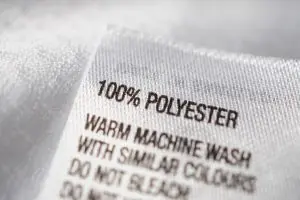
Look at the fabric composition. One of our favorite things to search for secondhand is quality natural fibers like cotton, linen, hemp, wool, silk, and cashmere. Check the material tag when it’s pictured, or ask the seller for the fiber content if it isn’t listed.
Inspect the photos carefully. Zoom in and look for stains, holes, pilling, discoloration, missing buttons, broken zippers, or other signs of wear. Some imperfections are completely manageable (especially if you’re handy with a needle and thread) but you want to know about them before purchasing.
Read the return and refund policy. Secondhand platforms have very different rules when it comes to returns, and many purchases may be final sale unless an item was misrepresented. It’s worth knowing the policy before ordering.
Consider authentication for designer purchases. If you’re investing in a luxury handbag, shoes, or designer clothing, look for platforms that offer authentication or consider using a reputable third-party authentication service.
Factor in shipping costs. A $15 secondhand find may not feel like quite as much of a bargain once shipping and other fees are added. Check the total cost before purchasing, particularly when comparing the same item across different resale apps.
Be cautious of suspicious listings. If a price seems unusually low, the seller has questionable reviews, or the description and photos don’t quite add up, it’s okay to skip it. There will always be another secondhand find!
Reverse-image search questionable “vintage” or “handmade” pieces. Unfortunately, items from fast-fashion marketplaces can sometimes be resold as vintage, handmade, or one-of-a-kind at a significant markup. If something looks familiar (or you simply aren’t sure) try a reverse-image search before purchasing. It can help you figure out where an item originally came from and whether you’re actually getting what the listing claims.
How We Chose the Best Secondhand Clothing Apps
At Sustainably Chic, we’ve been talking about sustainable fashion for more than a decade, and shopping secondhand has always been one of our favorite ways to make fashion more circular. For this guide, we considered each platform’s selection, ease of use, selling process, fees, accessibility, buyer protections, and the types of clothing you’re most likely to find or successfully sell. We also prioritized platforms that help keep existing clothing in circulation rather than encouraging the production of something new.























This so amazing! I use Poshmark right now but it makes sense to try more apps! I am just thinking about all the Labour Day Sales coming up so its great to keep everyone informed about other choices they have for good deals!
ThredUp is not truly a reselling app- it is a corporation which has a history of paying very little for users clothes (or sometimes nothing at all, claiming item is too damaged to sell but not returning it). I would never recommend for selling, users are better off donating items to charity than receiving $2 for an item and the corporation making off with $18 in profit.
🛍 Another app to try for shopping, selling and swapping is All I Want. It has a unique feature where you can have items shipped to you OR opt for local pick-up.
All I Want is a marketplace where you can shop/buy for a variety of items: clothing/shoes, jewelry, gifts, ekectronics, home items etc It offers in-app message to communicate easily. There is an automated tool where sellers can state if the price is negotiable and indicate how much they are willing to discount; so it’s easy to get a great deal without pressure or haggling.
All I want is free to list. There is a fee if a transaction is processed through the app. 10% service fee on the sold item price. There is also a 2.9% payment processing fee on the total price of the transaction plus 50 cents. That’s fair. The average listing/transaction fee on most apps is 20%. Shipping is tracked and includes all major carriers. Shipping prices are discounted.
All I want is available on Google Play or the App Store. Online: alliwant.com
🙌🏽 Highly recommend!
Excellent roundup! These apps make secondhand shopping and selling so much easier. https://saveplus.in/