A good night’s sleep starts with more than just a comfortable mattress. The fabric you wear to bed can make a surprising difference in how well you sleep, especially if you tend to overheat, have sensitive skin, or simply want to be more comfortable throughout the night.
At Sustainably Chic, we always encourage choosing natural, breathable fibers whenever possible. While no single fabric is perfect for everyone, some materials do a much better job of regulating temperature, managing moisture, and feeling soft against the skin than others.
Here’s our guide to the best fabrics for sleep… and a few we’d leave out of the pajama drawer.
What Makes a Fabric Good for Sleeping?
The best sleepwear fabrics typically have a few things in common. They should be breathable, comfortable against the skin, and able to help regulate body temperature throughout the night. If you often wake up feeling too hot or sweaty, the fabric you sleep in may be worth reconsidering.
When shopping for pajamas or sheets, we generally look for fabrics that are:
- Breathable
- Soft and comfortable
- Moisture-wicking
- Durable
- Easy to wash
- Made with natural or responsibly sourced fibers whenever possible
The Best Fabrics for Sleep

1. Organic Cotton
Best for: Everyday comfort
Organic cotton is one of our favorite fabrics for sleep. It’s naturally breathable, soft, and comfortable year-round, making it a great choice for pajamas, nightgowns, and bedding. Compared to conventional cotton, organic cotton is grown without synthetic pesticides and is often available with certifications like GOTS or OEKO-TEX®, offering additional peace of mind for those looking for more responsibly made textiles. (pictured: Printfresh Organic Cotton Pajamas)
Why we like it:
- Soft against the skin
- Breathable
- Suitable for every season
- Easy to care for
- Available in many styles
2. Linen
Best for: Hot sleepers
If you tend to overheat at night, linen is hard to beat. Made from flax fibers, linen naturally allows more airflow than many other fabrics and becomes softer with every wash. While it can feel slightly textured at first, many people love its lightweight feel and cooling properties.
Why we like it:
- Extremely breathable
- Excellent airflow
- Naturally moisture-wicking
- Durable
- Gets softer over time

3. Hemp
Best for: Breathability and durability
Hemp is another natural fiber that works beautifully for sleepwear. It’s lightweight, breathable, and naturally moisture-wicking while becoming softer the more you wear it. Although hemp pajamas aren’t as common as cotton or linen, they’re worth considering if you prefer natural fibers. (pictured: The Big Tee from Jungmaven)
Why we like it:
- Highly breathable
- Durable
- Naturally moisture-managing
- Long-lasting
- Softens over time
4. TENCEL™ Lyocell
Best for: Silky-soft sleepwear
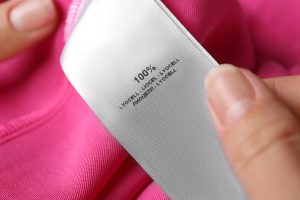
TENCEL™ Lyocell is a regenerated cellulose fiber made from responsibly sourced wood pulp in a closed-loop manufacturing process. It’s exceptionally soft, lightweight, and drapes beautifully, making it a popular choice for modern sleepwear. While it isn’t a natural fiber in the same way cotton or linen are, it’s one of the semi-synthetic fabrics we often recommend when responsibly produced.
Why we like it:
- Smooth and silky
- Lightweight
- Moisture-wicking
- Gentle on sensitive skin
- Breathable

5. Silk
Best for: Luxury sleepwear
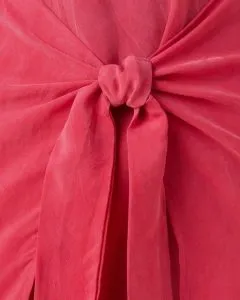
Silk has long been associated with luxurious pajamas, and for good reason. It’s naturally temperature-regulating, lightweight, and incredibly smooth against the skin. Because silk requires more delicate care and typically comes with a higher price tag, it may not be the best everyday option for everyone, but it can certainly be a beautiful investment piece. (pictured: Ethical Silk Co.)
Why we like it:
- Naturally temperature-regulating
- Lightweight
- Soft feel
- Elegant appearance
- Long-lasting with proper care
6. Merino Wool
Best for: Cold sleepers
Wool might not be the first fabric that comes to mind for pajamas, but lightweight merino wool is excellent at regulating body temperature. It helps keep you warm in cooler weather while remaining surprisingly breathable, making it a great option if you tend to get chilly at night.
Why we like it:
- Excellent temperature regulation
- Moisture-wicking
- Naturally odor-resistant
- Soft (when using fine merino)
- Great for winter
Fabrics We Try to Avoid for Sleep
Polyester
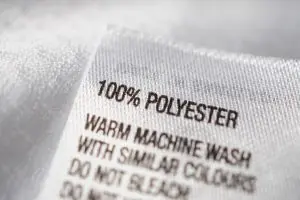
Polyester is one of the most common materials used in inexpensive pajamas, but it isn’t our favorite choice for sleep. Because it’s a synthetic fiber, polyester tends to trap heat more than many natural fabrics and can contribute to overheating for some people. It also sheds microplastic fibers during washing.
Acrylic
Acrylic is another synthetic material that often lacks breathability. It can feel warm and trap moisture, making it less comfortable for sleeping.
Nylon
Small amounts of nylon may be added to certain garments for durability or stretch, but pajamas made primarily from nylon often don’t offer the same breathability as natural fibers.
Fleece (Synthetic)
While cozy during the winter, most fleece is made from polyester. It can become very warm and may not allow enough airflow for comfortable sleep, particularly if you’re a hot sleeper. Natural wool fleece is a different story, but it’s much less common.
Tips for Choosing Better Sleepwear
The fabric is only part of the equation. Here are a few other things we recommend when shopping for pajamas:
- Choose a relaxed fit for better airflow.
- Look for breathable weaves rather than overly heavy fabrics.
- Avoid unnecessary synthetic blends when possible.
- Check for certifications like GOTS or OEKO-TEX®.
- Think about your climate and sleeping habits; linen may be ideal in hot weather, while merino wool can be a great option in winter.

Where to Find Non-Toxic & Natural Pajamas
Looking for more ways to build a comfortable, natural wardrobe? These guides can help you choose breathable fabrics for better sleep and discover some of our favorite sleepwear recommendations.
- Affordable Organic Cotton Pajamas on Amazon – Our favorite budget-friendly organic cotton pajama sets.
- Sustainable Pajama Brands – Ethically made sleepwear crafted from natural, high-quality materials.
- Organic Cotton Pajamas from Sustainable Brands – Discover our favorite ethical brands making high-quality organic cotton sleepwear.
- The Best Organic Pajamas for Men – Comfortable, breathable pajamas made from organic cotton and other natural fibers.
- Organic Christmas Matching Pajamas – Cozy matching family pajamas made with soft organic cotton for the holiday season.
Frequently Asked Questions
What is the best fabric to sleep in?
Organic cotton is one of our top recommendations because it’s breathable, soft, easy to care for, and comfortable throughout the year. Linen is another excellent option, especially for warmer climates or hot sleepers.
Is cotton or polyester better for sleeping?
We generally prefer cotton. Organic cotton is more breathable and tends to feel cooler against the skin, while polyester can trap heat and doesn’t offer the same airflow.
Is linen good for pajamas?
Yes. Linen is one of the best fabrics for hot sleepers thanks to its breathability, moisture-wicking properties, and lightweight feel.
Is TENCEL™ good for sleep?
Absolutely. TENCEL™ Lyocell is incredibly soft, breathable, and moisture-managing, making it a wonderful choice for pajamas and bedding.
What fabric helps you stay cool while sleeping?
Linen is often considered one of the coolest fabrics available. Organic cotton, hemp, and TENCEL™ Lyocell are also excellent options for staying comfortable throughout the night.
Should sleepwear be 100% cotton?
Not necessarily. While 100% organic cotton is a fantastic option, other natural and responsibly produced fibers like linen, hemp, silk, merino wool, and TENCEL™ Lyocell can also make excellent sleepwear depending on your preferences and the season.
Our Final Thoughts ♡
The best fabric for sleep ultimately depends on your personal preferences, the climate you live in, and whether you tend to sleep hot or cold. For most people, breathable natural fibers like organic cotton, linen, and hemp offer the best combination of comfort and durability, while TENCEL™ Lyocell provides a silky alternative that’s both lightweight and moisture-managing.
Making thoughtful choices about the fabrics you wear to bed can help create a more comfortable sleep environment; and it’s another small step toward building a wardrobe centered on quality, natural materials, and pieces you’ll truly enjoy using every day.