As sustainable fashion has become more mainstream, so have the misconceptions surrounding it. From the idea that sustainable clothing is always expensive to the belief that one person can’t make a difference, there’s a lot of information that simply isn’t true.
The reality is that sustainable fashion isn’t about being perfect or following a strict set of rules. It’s about making more thoughtful choices, buying with intention, and wearing what you already own for longer.
Let’s take a closer look at some of the most common sustainable fashion myths…
Myth #1: Sustainable Fashion Is Too Expensive
This is probably the biggest misconception. While some sustainable brands have higher price points, building a more sustainable wardrobe doesn’t mean replacing everything you own with expensive clothing.
Some of the most sustainable choices don’t involve buying anything new at all. Shopping secondhand, repairing clothing, organizing clothing swaps, and simply wearing what you already own are all affordable ways to reduce your impact.
When you do purchase something new, focusing on quality over quantity can often save money in the long run.
Looking for a list of more affordable sustainable brands? Check out this post here.
Myth #2: You Have to Throw Away Your Entire Wardrobe
One of the least sustainable things you can do is replace perfectly wearable clothing simply because it isn’t considered “sustainable.”
Instead, continue wearing the clothes you already own. When something wears out or no longer serves you, replace it thoughtfully with a higher-quality option if and when you need to.
Sustainability is about making better decisions moving forward… not starting over.
Myth #3: Sustainable Fashion Means You Can Never Buy New Clothes
Buying new clothing isn’t inherently bad.
The goal is to shop more intentionally by choosing pieces you’ll genuinely wear, selecting higher-quality materials when possible, and supporting brands that are transparent about their practices.
A carefully chosen purchase that lasts for years is often a better investment than several inexpensive items worn only a few times.
Myth #4: Natural Fabrics Are Always Sustainable
Natural fibers like organic cotton, linen, hemp, and wool are often excellent choices, but no fabric is completely impact-free.
Every material requires resources to produce. Water use, farming practices, processing methods, transportation, and durability all play a role in a garment’s overall footprint.
Rather than looking for a “perfect” fabric, it’s helpful to understand the strengths and trade-offs of different materials.
Myth #5: Recycled Materials Solve Everything
Recycled fibers can help reduce the need for virgin materials, but they aren’t a perfect solution.
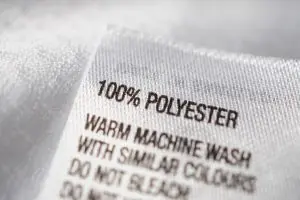
For example, recycled polyester still sheds plastic microfibers during washing because it’s still a synthetic material. While it may reduce the demand for new petroleum-based fibers, it doesn’t eliminate every environmental concern.
Reducing consumption and choosing long-lasting clothing remain some of the most effective ways to lessen fashion’s impact.
Myth #6: Sustainable Fashion Is Just a Trend
Interest in sustainable fashion has certainly grown over the past decade, but the issues behind it are long-term.
Concerns about textile waste, pollution, resource use, and overconsumption aren’t going away. As consumers continue asking for greater transparency, many brands are beginning to rethink how clothing is designed and produced.
Sustainable fashion isn’t about following the latest trend; it’s about creating a more responsible future for the industry.
Myth #7: Small Changes Don’t Matter
It’s easy to feel like one person’s choices won’t make a difference. While no individual can solve fashion’s environmental challenges alone, millions of thoughtful decisions collectively influence what brands produce and how they operate.
Buying fewer clothes, caring for garments properly, supporting responsible companies, and donating clothing thoughtfully all contribute to a more sustainable fashion system.
Progress happens through many small actions over time.
Myth #8: Sustainable Fashion Is Boring
Years ago, finding sustainable clothing often meant choosing from a limited selection of basics. Today, that’s no longer the case.
Whether your style is minimalist, colorful, classic, romantic, sporty, or even goth, there are more brands than ever creating thoughtfully made clothing in a wide range of aesthetics.
Sustainable fashion isn’t about dressing a certain way; it’s about making choices that align with your values.
Myth #9: Every Sustainable Brand Is Truly Sustainable
Just because a company uses words like “eco-friendly,” “green,” or “conscious” doesn’t necessarily mean it’s making meaningful changes. Transparency matters.
Look for brands that openly share information about their materials, factories, certifications, and environmental initiatives rather than relying on vague marketing claims.
Learning how to recognize greenwashing is one of the most valuable skills for becoming a more informed shopper.
Myth #10: Luxury Brands are more Sustainable than Fast Fashion Brands
Luxury brands might come with quite the price tag and have a lot of prestige, but that doesn’t mean they invest in eco-friendly fabrics or pay their workers a living wage. Many luxury brands use synthetic fabrics to make their garments, and like fast fashion brands, several luxury fashion brands have been involved in sweatshop scandals.
Let’s look at Fashion Revolution’s “Fashion Transparency Index 2022,” which analyzed what information the world’s largest fashion brands and retailers disclose about their social and environmental practices and policies. We can see that the highest ranking among the luxury fashion brands, the Italian high-end fashion house Gucci, scored just 59% percent.
Similarly, labels such as “made in the US” or “made in France” bank on the customers’ perception that exploitation is unlikely to happen in the Global North. But even brands whose supply chain is mostly, if not entirely, based in Europe or the US are not automatically exempt from workers’ exploitation as low or non-existent national minimum wages still allow brands to underpay workers and keep them in poverty.
Myth #11: You Have to Be Perfect
Perhaps the biggest myth of all is that sustainable fashion is about perfection. It’s not.
No one makes perfect choices all the time, and sustainability isn’t about guilt or unrealistic expectations. Every wardrobe is different, every budget is different, and everyone’s journey looks a little different.
The goal isn’t perfection; it’s progress. Whether you’re buying one fewer fast fashion item, repairing a favorite sweater, shopping secondhand, or simply learning more about the clothes you wear, every thoughtful choice is a step in the right direction.
Our Final Thoughts ♡
Sustainable fashion is full of nuance, and there are very few one-size-fits-all answers. By looking beyond common myths and understanding the bigger picture, you can build a wardrobe that reflects both your personal style and your values.
At Sustainably Chic, we believe sustainable fashion is about buying less, choosing better, caring for what you own, and making progress over perfection. Every thoughtful decision helps move the fashion industry toward a more responsible future.
Keep Learning About Sustainable Fashion
- What Is Sustainable Fashion?
- What Is Fast Fashion?
- Sustainable Fabrics Guide
- Natural Fabrics Guide
- Fabrics to Avoid in Clothing
- Sustainable Fashion Certifications
- Non-Toxic Clothing
- How to Donate Clothing Responsibly
About the Author
Natalie Kay Costello is the founder of Sustainably Chic and has been writing about sustainable fashion for over a decade. Her work focuses on ethical brands, natural fabrics, and helping consumers navigate greenwashing in the fashion industry.