

Put simply, sustainable fashion refers to clothing designed, produced, and consumed in ways that reduce harm to people, animals, and the planet. It focuses on using lower-impact materials, ethical labor practices, and creating garments that last instead of being worn only a few times & discarded.
Sustainable fashion looks different for everyone. Some people buy fewer, better-quality clothes made from natural or low-impact materials. Others shop secondhand, fix and reuse what they have, support small ethical brands, or just think more carefully about what they add to their wardrobe.
For 12 years, I’ve used my blog, Sustainably Chic, to learn about how sustainability is changing in fashion. Over time, I’ve found that it can be confusing to figure out what really makes clothing “sustainable.” There are so many buzzwords, certifications, and marketing claims that it’s hard to tell what matters and what is just greenwashing.
There are many books about sustainable fashion, but most people just want a simple place to start. This guide explains the basics in a way that’s easy to follow, whether you’re new to thinking about fast fashion or want to create a more mindful wardrobe.
Sustainable fashion isn’t about being perfect. It’s about learning how clothes are made and picking items that fit your values. I hope this guide helps you feel more confident as you shop and make choices that are better for people and the planet. I’d love to hear about your own experiences with sustainable fashion. Please share your thoughts or stories in the comments below!
What Is Sustainable Fashion?
The concept of “sustainability” is frequently used in social media and marketing, but it’s important to use this term in the right context to avoid misconceptions. Sustainability encompasses a wide range of ideas and practices and is ultimately about maintaining a balance that allows us to preserve the world we live in for future generations to enjoy. This concept is made up of three equally important categories: the environment, society, and economics.
In simple terms, sustainable fashion refers to clothing that is designed, produced, and consumed in ways that minimize environmental harm while supporting ethical working conditions and long-lasting garments. This definition of sustainable fashion goes beyond simply choosing eco-friendly materials; it also considers the people who make our clothes and the long-term impact of the fashion industry.
Sustainability isn’t a one-size-fits-all concept; it varies by location, person, and a constantly changing environment. Additionally, individual values play a significant role in a product’s sustainability. Therefore, an open mind and an acknowledgment of sustainability’s complexity are essential.
Sustainable fashion integrates environmental, social, and economic considerations into the fashion industry.
Just because a t-shirt is made from organic cotton does not mean it is truly sustainable. If it is produced in harmful ways or meant to be worn only a few times, it still falls short of real sustainability. People are talking more about eco-friendly and ethical clothing because of the environmental and social problems caused by today’s fashion industry. As more consumers learn about issues like textile waste, pollution, and poor working conditions, interest in sustainable fashion keeps rising.
In the context of fashion, a sustainable garment should be not only eco-friendly and ethically produced but also durable and accessible. While there are other characteristics that could be added to this list, these are the fundamental attributes I look for when considering a purchase. Later on, I’ll create a simple checklist to summarize these points, so keep reading to find out more!

Why Sustainable Fashion Matters
Humans are now consuming 400% more clothing compared to 20 years ago, and on average, Americans generate around 82 pounds of textile waste every year. We buy more clothes than ever, but we wear them far less. Much of this shift can be explained by the explosive growth of fast fashion over the past two decades.
This model of producing large volumes of inexpensive, trend-driven clothing has dramatically increased the environmental impact of the fashion industry. The production of garments requires enormous amounts of water, energy, and raw materials, while synthetic fabrics release microplastics into the environment. As a result, clothing production contributes significantly to textile waste, pollution, and the depletion of natural resources.
But the issue goes beyond the environment. The rapid pace and low costs of fast fashion have also created serious social concerns, including low wages, unsafe working conditions, and other human rights violations within global supply chains. Sustainable fashion emerged as a response to these growing environmental and ethical problems. By choosing sustainable clothing brands, natural fibers, and longer-lasting garments, consumers can help reduce waste and support a fashion industry that prioritizes both people and the planet. The most effective thing we can do is to buy less and keep wearing what we already have. When we do need something new, choosing responsible brands can help make the fashion industry more sustainable.

The Environmental Impact of the Fashion Industry
The environmental impact of the fashion industry is one of the main reasons the conversation around sustainable fashion has grown so much in recent years. While clothing has always required natural resources to produce, the modern fashion system (driven largely by fast fashion) has dramatically increased the amount of clothing being produced and discarded every year.
Producing garments requires significant amounts of water, energy, and raw materials. Conventional cotton farming often relies on heavy pesticide use, while textile dyeing and finishing can release harmful chemicals into nearby waterways. In fact, textile dyeing is among the largest sources of industrial water pollution worldwide.
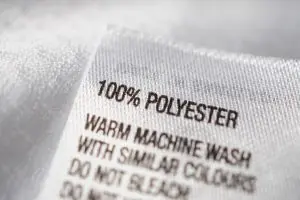
Another major concern is the widespread use of synthetic fabrics such as polyester, nylon, and acrylic, which are derived from fossil fuels. These materials shed tiny plastic fibers known as microplastics every time they are washed, contributing to plastic pollution in oceans and waterways.
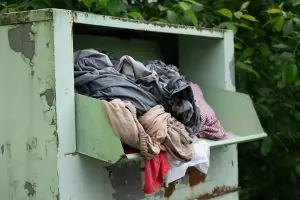
Beyond pollution, the industry also generates significant textile waste. Many garments are worn only a few times before being discarded, with millions of tons of clothing ending up in landfills each year. Read our post on how you can avoid your donated clothes from ending up in the landfill (yes, most of your donations will get discarded!).
Sustainable fashion aims to address these issues by encouraging the use of more responsible materials, better production practices, and clothing designed to last longer. By choosing natural fibers, supporting transparent brands, and buying fewer but better pieces, we can help reduce the environmental footprint of the clothes we wear.
Important Fashion Stats You Should Know
- The fashion industry produces 92 million tons of waste each year.
- Clothing production doubled from 2000-2015.
- A garbage truck of textiles is landfilled every second.
- The fashion industry is responsible for about 10% of global carbon emissions.
- Roughly 85% of all textiles end up in landfills each year instead of being reused or recycled.
- The average person today buys around 60% more clothing than they did 20 years ago, but keeps each item for about half as long.
Key Principles of Sustainable Fashion
Sustainable fashion can vary from one brand to another, but a few key ideas are important. It focuses on reducing harm to the environment, treating workers fairly, and making clothes that are built to last.
1. Ethical Production
A key part of sustainable fashion is making clothes in an ethical way. This includes paying fair wages, keeping workplaces safe, and treating everyone with respect. Many sustainable brands choose factories that protect workers and are open about their production process.
2. Responsible Materials
Another key characteristic is the use of better materials. Sustainable brands often use fabrics like organic cotton, linen, hemp, or wool, which break down more easily and require fewer chemicals than synthetics. Some brands also use recycled or deadstock materials to reduce the need for new resources. Of course, no fabric is perfect, and they all have their share of issues. You can find all of our textile and certification guides here for more information.
3. Longevity
Sustainable fashion means making clothes that are built to last. Instead of producing items you might only wear once or twice, these brands put effort into quality and timeless designs you can enjoy for years.
4. Reducing Waste
Sustainable fashion aims to reduce waste. This involves creating smaller collections, making clothes that are simple to repair or recycle, and encouraging people to fix, resell, or donate items they no longer use.
Together, these changes are helping the fashion industry cause less harm to the environment, treat workers better, and make clothes people will want to wear for a long time.
Key Terms in Sustainable Fashion
Sustainable fashion is often used as an umbrella term that includes several related concepts. You may come across terms like slow fashion, circular fashion, and ethical fashion when learning about more responsible ways of producing and consuming clothing. While each concept focuses on a slightly different aspect of sustainability, they all contribute to creating a fashion industry that is better for people and the planet.
1. Slow Fashion
Slow fashion focuses on quality, longevity, and thoughtful production rather than rapid trend cycles. In the past, fashion brands released only a few seasonal collections each year, but many fast fashion companies now produce dozens of collections annually. Slow fashion brands take the opposite approach by creating timeless clothing designed to last longer and remain wearable beyond a single trend cycle. Capsule wardrobes and smaller collections are common examples of slow fashion in practice.
2. Eco Fashion
Eco fashion focuses primarily on reducing environmental impact. This may include using lower-impact materials, reducing water usage, or minimizing carbon emissions during production. However, a brand can use eco-friendly fabrics while still overlooking labor conditions, which is why eco fashion is only one part of sustainable fashion as a whole.
3. Circular Fashion
Circular fashion aims to keep clothing and textiles in use for as long as possible. Instead of the traditional “take, make, waste” model, circular systems prioritize recycling, repairing, resale, and upcycling. The goal is to reduce the need for new raw materials while preventing clothing from ending up in landfills.
4. Zero Waste Fashion
Zero waste fashion focuses on reducing textile waste during production. Some designers use pattern-cutting techniques that eliminate fabric scraps, while others work with deadstock materials or leftover fabrics that would otherwise be discarded. These practices help reduce the large amount of waste typically generated during clothing manufacturing.
5. Ethical Fashion
Ethical fashion centers on the people involved in the supply chain. This includes fair wages, safe working conditions, and responsible treatment of garment workers and farmers. Ethical fashion also overlaps with other values such as transparency, worker rights, and responsible sourcing. We can also talk about ethical fashion in vegan clothing, since many consumers shop based of their values of veganism.
6. Regenerative Fashion
Regenerative fashion focuses on restoring ecosystems rather than simply reducing harm. This often involves regenerative agriculture practices that improve soil health, biodiversity, and carbon storage. Some brands are beginning to source fibers from regenerative farms, which may help restore degraded land while producing natural materials.

Examples of Sustainable Fashion
Sustainable fashion can look different for everyone. The main idea is to reduce our impact on the planet, treat workers fairly, and make clothes last longer. You can do this by choosing responsibly made items or shopping secondhand; there are many ways to build a more sustainable wardrobe.
1. Organic Cotton and Natural Fiber Brands
Many sustainable clothing brands prioritize natural fibers such as organic cotton, linen, hemp, and responsibly sourced wool. These materials generally require fewer synthetic chemicals during production and tend to be more biodegradable than synthetic fabrics like polyester or acrylic. Choosing garments made from natural fibers can be a helpful starting point when building a more sustainable wardrobe, especially when those materials are sourced responsibly.
If you’re just beginning your journey into sustainable fashion, brands that focus on natural fabrics and transparent supply chains are often a great place to start. These companies typically prioritize better materials while also sharing information about where and how their clothing is produced.
Find our favorite organic cotton clothing brands here.
Find our favorite natural clothing brands here.
2. Ethical Fashion Brands
Supporting ethical brands is another important part of sustainable fashion. These brands make sure workers get fair pay, work in safe conditions, and are treated responsibly at every step of the supply chain. By focusing on ethical production, they help make the fashion industry more open and fair.
Both eco-friendly materials and workers’ rights are important for sustainable fashion, so ethical brands and those focused on natural fibers often have a lot in common. Still, they are not always the same. Some ethical brands might use synthetic fabrics, leftover materials, or blends. That’s why I prefer to talk about materials and labor practices separately. Knowing the difference helps us make better choices when we shop.
3. Secondhand and Vintage Clothing
Buying secondhand is an easy way to be more sustainable. Thrift stores, vintage shops, and resale websites help clothes last longer and reduce the need to make new ones. This also keeps some old clothes out of landfills.
Find our favorite secondhand apps here.
4. Clothing Rental and Circular Fashion
Many people are choosing to rent clothes or buy pre-owned items from brands’ pre-loved sections. Renting outfits for special occasions or finding secondhand pieces helps reduce overproduction, and you can still have fresh styles without always buying something new.
Find our favorite clothing rental sites here.
Find our favorite pre-loved sites from sustainable brands here.
5. Mending and Loving What You Already Own
One of the easiest (and most often forgotten) ways to be more sustainable is just taking care of the clothes you already own. Fixing up your clothes, like sewing on a missing button, patching up a small hole, or fixing a worn seam, can make your favorite pieces last a lot longer. Picking up a few basic mending skills, or going to a local tailor, helps you keep wearing your clothes instead of throwing them out too soon.
It’s important to appreciate and make use of the clothes you already own. Sustainable fashion isn’t just about buying new items, even from responsible brands. Often, the best choice is to keep wearing what you have. By valuing and caring for our clothes, we reduce waste and avoid the habit of always wanting something new.
These examples show that sustainable fashion can mean different things. It’s about making choices that fit your life, whether that’s supporting ethical brands or finding new uses for old clothes.
Sustainable Fashion vs. Fast Fashion
| Fast Fashion | Sustainable Fashion |
|---|---|
| High-volume production designed to sell large quantities quickly | More intentional production based on demand, smaller runs, or responsible sourcing |
| Constantly changing trends that encourage frequent purchases | Longer-term design focused on versatility, wearability, and longevity |
| Very low prices (but not always) that can hide the true environmental and labor costs of clothing | Fairer pricing that better reflects materials, craftsmanship, and responsible labor |
| Materials chosen largely for cost and speed, which may include synthetics or conventionally grown natural fibers | Lower-impact materials such as organic, regenerative, recycled, responsibly sourced, or certified fibers |
If you want to learn what sustainable fashion is all about, it helps to see how it differs from fast fashion, which still drives most of the clothing industry.
Fast fashion is all about speed, low prices, and chasing new trends.
Brands release new styles every week or even every day, which makes people feel like they always need to buy the latest thing. These clothes are made quickly and cheaply, often from synthetic fabrics, in large factories around the world. Because fast fashion is meant to be trendy and affordable, most pieces are only worn a few times before people move on to something else.
Sustainable fashion takes a different approach. Rather than making as many clothes as possible, it focuses on quality, durability, and responsible production. This means using better materials, treating garment workers fairly, and creating clothes you’ll want to wear for years instead of just one season.
Fast fashion pushes us to buy more and more, but sustainable fashion is about buying with intention and making the most of what we already own. It’s less about keeping up with trends and more about building a wardrobe with pieces that last, look good, and actually fit your values. (if you are more curious about Fast Fashion and how it works, read our complete guide here – we also have a list of the WORST fast fashion offenders in this post here)
How to Shop More Sustainably
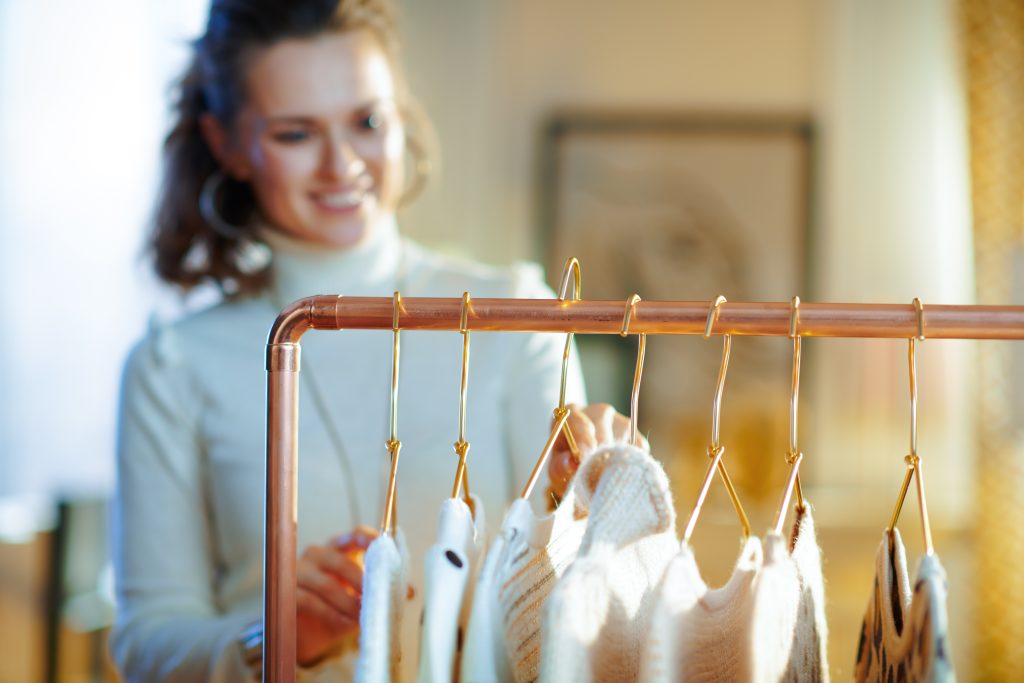
There are lots of ways to get involved in sustainable fashion, and you might already be doing some without noticing. Sustainable fashion is not about being perfect. It’s about making more mindful choices with the clothes you buy, wear, and take care of.
1. Support Sustainable Brands
You’ve come to the right place if you’re looking for sustainable clothing brands to explore. While I never encourage unnecessary shopping, if you’re going to add something new to your closet, supporting brands that prioritize responsible materials and ethical production is a great way to encourage a better fashion industry. No brand is perfect, but many are working to create clothing that is kinder to both people and the planet.
We also have a list of the most affordable sustainable clothing brands here if you are wanting to support better brands but working with a smaller budget.
2. Shop Secondhand
If you have access to great thrift stores or consignment shops, secondhand shopping is one of the easiest ways to participate in sustainable fashion. Thrifting helps extend the life of clothing that already exists and keeps garments in circulation longer. We do this for almost all of our son’s clothing, and it’s a wonderful way to reduce waste while still finding great pieces. If you prefer online options, check out my post on used clothing apps for secondhand shopping.
3. Choose Pieces You Intend to Love for Years
You might not always find the exact item you want from a sustainable brand or at a thrift store, and that’s okay. The most important thing is to pick clothes you know you’ll wear for years. Even if the fabric isn’t ideal or the brand isn’t fully transparent, a piece that becomes a favorite and lasts a long time still has real value.
4. Start With Your Own Closet
The most sustainable wardrobe is often the one you already have. Every few months, I go through my closet and try on things I haven’t worn in a while. Usually, I find myself loving old favorites again. Before you get rid of something, try keeping it a bit longer. If there’s a small tear or a missing button, fix it instead of buying something new. You could also swap clothes with friends to give them a fresh start. One trick I love is packing away clothes I’m bored with and opening the suitcase six months later. It almost always feels like finding a new wardrobe.
Pro tip: unsubscribe from brand newsletters and unfollow accounts that constantly promote new purchases or clothing hauls. Social media can be a great place to learn about sustainable fashion, but it can also create unnecessary pressure to buy more. Reducing that influence can make it much easier to focus on wearing and enjoying what you already have.
What Fabrics Are Most Sustainable?
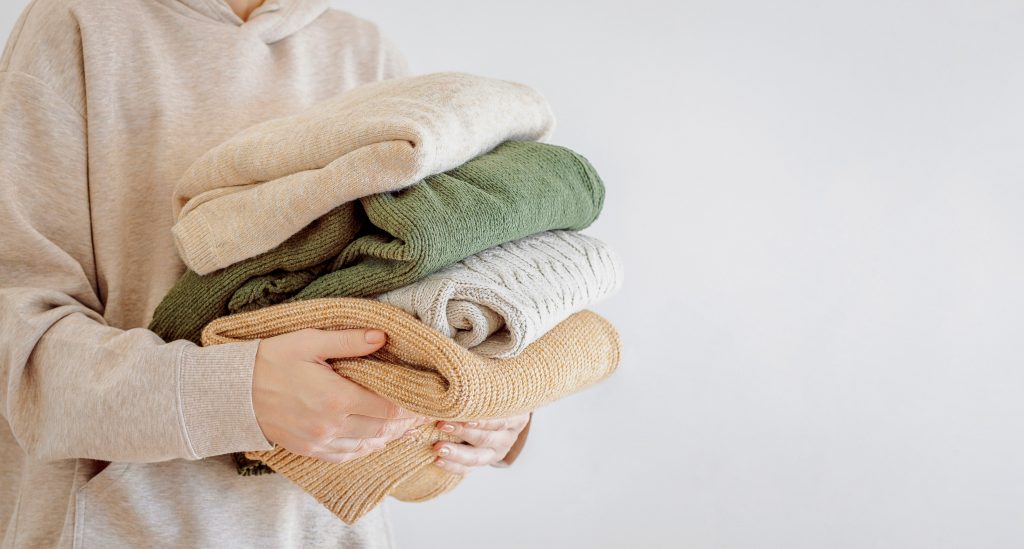
My textile courses in college (over 15 years ago now, how did that happen?) were always my favorite. I’ve always found fabrics fascinating, especially learning how fibers are grown, processed, and turned into clothing. The materials we choose play a huge role in the overall sustainability of a garment.
There are many responsibly produced fabrics available today, which means we have real choices when it comes to building a more sustainable wardrobe. Below are some of the most common fibers you’ll see used by sustainable fashion brands. When possible, it’s also important to look for materials that are processed with low-impact or plant-based dyes, as the dyeing stage can have a significant environmental footprint.
If you want to dive deeper, this blog has an entire post dedicated to sustainable fabrics and certifications.
1. Organic Cotton
Cotton is one of the most widely used fibers in the world. According to The World Counts, we produce around 29 million tons of cotton each year, which equals roughly 29 t-shirts for every person on the planet. Unfortunately, conventional cotton farming is also associated with heavy pesticide use, high water consumption, and serious labor concerns in some regions.
This is why choosing organic cotton over conventional cotton can make a meaningful difference. Organic cotton is grown without synthetic pesticides or harmful chemicals and typically uses less water. Certifications like GOTS (Global Organic Textile Standard) help ensure stricter environmental and social standards throughout the production process, from farming to the final fabric.
2. Hemp
Hemp is one of the most promising natural fibers available. It grows quickly, requires little water, and generally doesn’t need pesticides to thrive. Hemp fibers are also incredibly durable and blend well with other materials, making them a versatile option for clothing.
Another interesting benefit is that hemp plants can absorb large amounts of carbon as they grow, helping support healthier soil systems. If you’re curious about this fiber, I dive deeper into it in my True Cost Series.
3. Linen
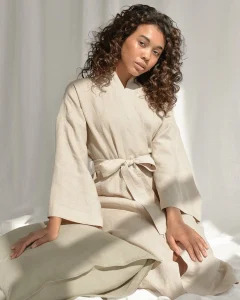
Linen, made from the flax plant, is one of my personal favorite fabrics. I love its texture and the relaxed look it brings to clothing, and it’s also surprisingly easy to care for. Linen can be a more sustainable fiber because flax generally requires fewer inputs than conventional cotton.
However, like any fiber, the sustainability of linen still depends on how it’s grown and processed. Responsible farming practices and cleaner dyeing methods make a big difference in its overall impact.
4. Wool
Few fabrics provide warmth and durability quite like wool. When produced responsibly, wool can also support regenerative agriculture practices that help restore soil health. Organizations like FiberShed highlight how responsible wool farming can contribute to healthier ecosystems.
Of course, not all wool is created equal. Animal welfare practices, farming methods, and processing techniques can vary widely, which is why it’s important to research brands carefully.
5. Lyocell (TENCEL™)
Lyocell is a semi-synthetic fiber often praised for its softness and lower-impact production process. One well-known form, TENCEL™ Lyocell, is made from wood pulp sourced from responsibly managed forests. It’s produced using a closed-loop system, which means that most of the solvents and water used during manufacturing are recovered and reused.
The result is a fabric that feels smooth and breathable while generally requiring fewer chemicals during production compared to many traditional fibers.
6. Vegetable-Tanned Leather
If you choose to buy leather goods, it’s important to consider how the leather is processed. Conventional leather tanning often uses harsh chemicals that can contaminate waterways and harm workers.
Vegetable-tanned leather uses plant-based tannins instead of toxic chemicals, creating a more environmentally responsible process while still producing durable, long-lasting leather products.
There is also something called LWG Leather, which many more sustainable brands use. While it’s not perfect, it is better than conventional leather. In my opinion, the best type of leather is secondhand.
7. Plastic-Free Vegan Leather
Not all vegan leather is automatically sustainable. Many vegan leather products are made from plastic-based materials, which can contribute to microplastic pollution and long-term waste issues.
Fortunately, new alternatives are emerging that use plant-based materials or recycled components. I’ve covered several of these options in a separate post exploring more sustainable vegan leather alternatives.
If you’re interested in learning more about innovative textiles, you can also explore my guide to 20 Innovative Fabrics That Make the Fashion Industry Greener.
A Simple Checklist When Shopping for New Clothes
If you do decide to purchase something new, here are a few things I like to consider before adding a garment to my closet. Sustainable fashion doesn’t have to be perfect, but these small checks can help guide more thoughtful choices.
- The fabric is made from lower-impact materials, such as organic cotton, linen, hemp, wool, or other eco-friendly fibers, and uses safer dyes when possible.
- The people who made the garment are treated fairly, earning a living wage and working in safe conditions.
- The quality is designed to last, meaning the piece is durable enough to stay in your wardrobe for many years rather than just a season.
- Packaging and shipping methods are mindful of the planet, minimizing waste and unnecessary materials when possible.
- The brand is transparent about its production process. We aren’t aiming for perfection, but genuine effort and honesty about how clothing is made matter.
- Sizing and pricing are as inclusive and accessible as possible. Sustainability should be part of a broader conversation about equity and representation in fashion, including diverse bodies, backgrounds, and perspectives.
Common Misconceptions About Sustainable Fashion
As more people start talking about sustainable fashion, some common myths pop up too. It can sound a little intimidating at first, but the truth is, sustainable fashion is a lot more flexible and doable than you might think.
Sustainable Fashion Is Only for Expensive Brands
A big myth is that sustainable fashion is expensive. Sure, some ethical brands are pricier because they use better materials and pay fair wages. But you don’t have to buy new clothes from these brands to be sustainable. Thrift shopping, swapping clothes, fixing what you have, or just wearing what’s already in your closet are all great (and affordable) ways to get involved.
Secondhand Clothing Doesn’t Count
Some people think sustainable fashion only means buying new stuff from ethical brands. But honestly, shopping secondhand is one of the best ways to be sustainable. Picking up pre-loved clothes helps give them a longer life and means less need for making new things.
Only the Brand Matters
Brand values matter, but what your clothes are made of matters too. Natural fibers like cotton, linen, hemp, and wool break down more easily and usually last longer than most synthetics. Picking better materials is a simple way to reduce your clothing’s environmental impact. So, if you only have a fast fashion brand within your budget and size, opt for natural fibers.
Sustainable Fashion Means Giving Up Personal Style
Another myth is that dressing sustainably means giving up your personal style. Actually, many people find that being more thoughtful about what they wear helps them define their own style even more. Instead of always chasing trends, sustainable fashion is about picking pieces you love and feel good wearing year after year.
You Have to Do Everything Perfectly
Most importantly, sustainable fashion isn’t about being perfect. It’s about making better choices when you can: buying less, supporting good brands, taking care of your clothes, and thinking about how what you wear affects people and the planet.
Sustainable Fashion FAQs
What makes clothing sustainable?
We generally consider clothing sustainable when companies produce it with a lower environmental impact and responsible labor practices. Companies can use natural or recycled materials, reduce water and chemical use during production, pay garment workers fair wages, and design clothing that lasts longer instead of being worn only a few times.
Is sustainable fashion more expensive?
Sustainable fashion can sometimes cost more because it often involves higher-quality materials, smaller production runs, and fair wages for workers. Sustainable clothing typically lasts longer, so you save money over time instead of constantly replacing low-quality fast fashion items.
What fabrics are most sustainable?
Many people see natural fibers like organic cotton, linen, hemp, and responsibly sourced wool as more sustainable than synthetic fabrics. These fibers usually biodegrade and use fewer fossil fuels during production. Some brands also use recycled fibers or innovative materials designed to reduce environmental impact. However, the sustainability of a fabric is largely dependent on how it’s grown and the use of dyes and finishes.
Is secondhand clothing considered sustainable fashion?
Yes, secondhand clothing is one of the most sustainable ways to shop. Buying pre-owned garments helps extend the life of existing clothing and reduces the demand for new production, which can help lower textile waste and resource use.
Is fast fashion the opposite of sustainable fashion?
Fast fashion focuses on producing large volumes of inexpensive, trend-driven clothing quickly, often encouraging frequent purchases and short garment lifespans. Sustainable fashion takes the opposite approach by prioritizing durable clothing, responsible materials, and ethical production practices.
Is recycled polyester sustainable?
We do not consider recycled polyester sustainable. Recycled polyester is usually marketed as a greener option than regular polyester because it uses recycled plastic (like water bottles) rather than virgin resources. That does help reduce fossil fuel use, but it’s still a type of plastic. Like other synthetic fabrics, it sheds tiny microplastics during washing and never breaks down after people throw it away.
That’s why many in sustainable fashion see recycled polyester as a step in the right direction, but not a perfect fix. It can be handy for things like workout gear or jackets where you need stretch or extra toughness, but it’s best not to rely on it too much. When you can, go for natural fabrics like organic cotton, linen, hemp, or responsibly sourced wool; they’re usually kinder to the planet.
How can beginners start a sustainable wardrobe?
You don’t have to toss out your whole closet to start a sustainable wardrobe. Honestly, the most sustainable clothes are the ones you already own. The easiest place to start? Wear and take care of what you have so it lasts. When you do need something new, aim for well-made pieces in natural or responsibly sourced fabrics, such as organic cotton, linen, hemp, or wool.
Shopping secondhand is another easy way to help the planet and give clothes a second life. Over time, you can start looking for brands that are open about how they make their clothes and treat their workers. Remember, sustainable fashion isn’t about being perfect; it’s just about making better choices, one step at a time.
Your Personal Journey With Sustainable Fashion
Creating a sustainable closet is a personal and diverse journey. People have varying values, financial resources, accessibility, and personal style, all of which influence their approach to sustainability. It’s important to remember that there’s no one-size-fits-all solution. When evaluating a brand, don’t hesitate to reach out to their customer service team for more information. If you don’t find your size, feel like there’s a lack of transparency in their manufacturing process, or notice a lack of representation, speak up and share your concerns with the brand. Many brands are open to feedback and may be willing to make changes based on customer input. Your voice matters, and collectively, consumer feedback can drive positive change in the fashion industry!
Also, no brand is perfect, BUT hundreds strive to be as sustainable as possible, and we have them all on this site for you!
Thank you for reading this, and please share it with your friends so they can begin this journey with you! The more conscious closets we have, the better 😉
I’d also love to know in the comments below… what comes to your mind when you think of sustainable fashion?
About the Author
Natalie Kay Costello is the founder of Sustainably Chic and has been writing about sustainable fashion for over a decade. Her work focuses on ethical brands, natural fabrics, and helping consumers navigate greenwashing in the fashion industry.


















Sustainability for beginners heck ya!!! I love the dedication you have to this movement 🙂 I am myself pushing towards being more sustainable after being a recovering therapy shopper, and dedicated my IG and Blog to sustainable topics. I look forward to seeing what else you write about. Feel free to check out my IG @christinelarainee if you feel like connecting!
That is great!! We are so happy you are on this journey with us <3