Rayon is one of the most common fabrics you’ll find on clothing labels, but it’s also one of the most misunderstood. Although it’s made from plant-based materials like wood pulp, rayon goes through an intensive manufacturing process that makes it very different from natural fibers such as cotton or linen.
So, is rayon sustainable? The answer isn’t a simple yes or no.
Rayon is a semi-synthetic (or regenerated cellulose) fiber. While it starts with renewable plant materials, its environmental impact depends largely on how it’s produced and where the plant-based materials come from.
Here’s everything you need to know before adding rayon to your wardrobe.
What Is Rayon?
Rayon is a regenerated cellulose fiber made by dissolving plant cellulose (usually from trees such as eucalyptus, beech, pine, spruce, or bamboo) and turning it into soft textile fibers. Although its raw material comes from plants, rayon isn’t considered a natural fiber because the cellulose is chemically processed before becoming fabric.
Today, rayon serves as an umbrella term for several regenerated cellulose fabrics, including:
Each has a different manufacturing process and environmental footprint.
Is Rayon Natural or Synthetic?
Rayon falls somewhere in between. Unlike polyester or nylon, rayon isn’t made from fossil fuels. But unlike cotton, hemp, or linen, it isn’t used in its natural state either. Instead, rayon is generally classified as a semi-synthetic or regenerated cellulose fiber.

How Is Rayon Made?
The process begins with wood pulp or another plant-based source of cellulose. Manufacturers dissolve the cellulose using chemical solvents before spinning it into fibers that can be woven or knitted into fabric.
The sustainability of rayon largely depends on:
- Where the wood comes from
- Whether forests are responsibly managed
- The chemicals used during manufacturing
- Whether those chemicals are recovered and reused
Newer production methods have significantly improved over older rayon manufacturing. (pictured: Viscose Rayon Manufacturing Process)
Pros of Rayon
- Soft and Comfortable: Rayon has an exceptionally soft feel that’s often compared to silk.
- Breathable: Many rayon fabrics allow air to circulate better than polyester, making them popular for dresses, blouses, and lightweight clothing.
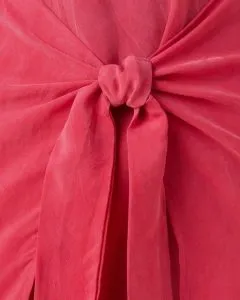
- Drapes Beautifully: One reason rayon is so common in fashion is its elegant drape. It flows naturally and creates lightweight garments with a flattering silhouette.
- Plant-Based Origins: Unlike petroleum-based synthetic fibers, rayon begins with renewable plant cellulose.
Cons of Rayon
- Chemical Processing: Traditional viscose rayon requires significant chemical processing. If those chemicals aren’t properly managed, manufacturing can have environmental and human health impacts.
- Forest Impacts: Not all wood pulp comes from responsibly managed forests. Unsustainable sourcing can contribute to deforestation and habitat loss. This is why certifications like FSC® (Forest Stewardship Council) are important.
- Durability: Some rayon fabrics lose strength when wet and may require more delicate care than natural fibers like cotton or hemp.
- Wrinkles Easily: Depending on the weave, rayon can wrinkle fairly easily and often requires steaming or ironing.

Is Rayon Sustainable?
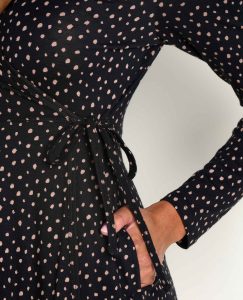
It depends on the type of rayon. Older viscose rayon generally has the greatest environmental concerns because of the chemicals traditionally used during production. Newer regenerated fibers have improved significantly. (pictured: Faherty Lyocell-Linen Blend Dress) At Sustainably Chic, we generally rank them like this:
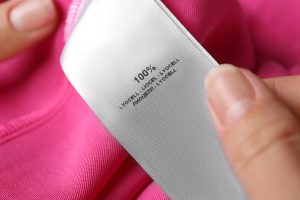
🌱 Lyocell (TENCEL™)
Our favorite regenerated cellulose fiber. Produced in a largely closed-loop process that recovers and reuses most solvents.
🌿 Modal
Often more sustainably produced than conventional viscose, especially when sourced from responsible manufacturers.
🧶 Cupro
Made using cotton linter (the short fibers left over after cotton processing) giving new life to an agricultural byproduct.
🌳 Viscose Rayon
The most common form of rayon, but also the one we approach with the most caution. Sustainability depends heavily on responsible forestry and manufacturing practices.
Rayon vs. Cotton
| Rayon | Cotton |
|---|---|
| Plant-based but chemically processed | Natural fiber |
| Soft and silky | Soft and breathable |
| Excellent drape | More structured |
| Often wrinkles | Depends on weave |
| Sustainability varies | Organic cotton is generally our preferred option |
If given the choice, we typically recommend organic cotton for everyday clothing.
Rayon vs. Polyester
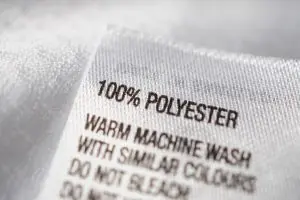
| Rayon | Polyester |
|---|---|
| Plant-derived cellulose | Petroleum-based |
| Breathable | Less breathable |
| Doesn’t shed plastic microfibers | Sheds microplastics when washed |
| Softer drape | More durable |
| Biodegradability varies | Not biodegradable |
For many garments, we’d generally choose responsibly produced rayon over virgin polyester, particularly when breathability and comfort are priorities.
What Certifications Should You Look For?
If you’re shopping for rayon clothing, these certifications can provide additional confidence:
- FSC® – Helps verify responsible forest management.
- OEKO-TEX® Standard 100 – Tests finished textiles for harmful substances.
- EU Ecolabel – Found on some responsibly produced regenerated fibers.
- TENCEL™ branding – Indicates lyocell or modal fibers produced by Lenzing under specific manufacturing standards.
Our Favorite Uses for Rayon
Rayon works especially well for:
- Dresses
- Blouses
- Lightweight / Dressy pants
- Skirts
- Pajamas
- Lined garments
- Summer clothing
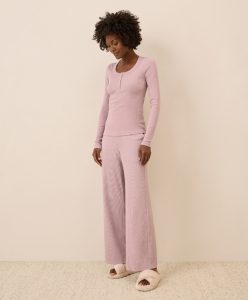
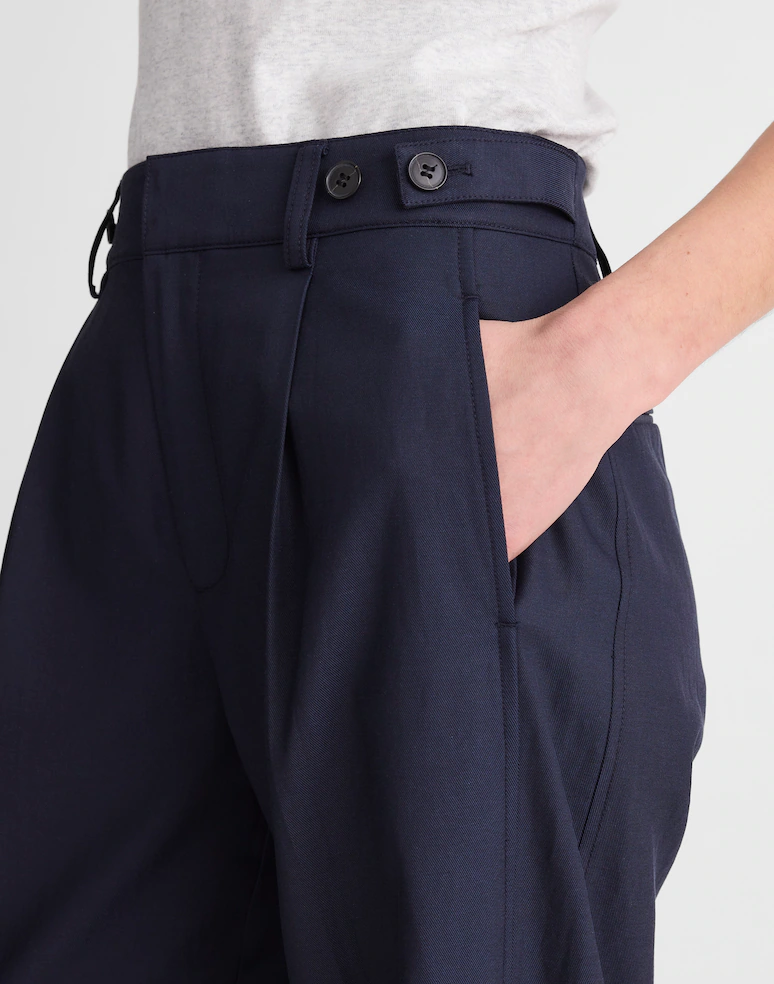
We generally prefer natural fibers like organic cotton or linen for basics, but rayon can be a great choice when you’re looking for a softer drape. Lots of clothing can be found in blends of rayon and natural fibers, like these pants from Madewell which are made from lyocell, cotton and linen.
Frequently Asked Questions
Is rayon a natural fabric?
No. Rayon is generally considered a semi-synthetic or regenerated cellulose fiber because plant cellulose is chemically processed into textile fibers.
Is rayon better than polyester?
They each have advantages, but rayon is often more breathable and begins with renewable plant materials rather than fossil fuels. Polyester, however, tends to be more durable and wrinkle-resistant.
Is rayon biodegradable?
Many rayon fibers are biodegradable under the right conditions because they’re derived from cellulose. However, biodegradability depends on the specific type of rayon, dyes, finishes, and how the fabric is disposed of.
Is rayon good for hot weather?
Yes. Rayon is lightweight, breathable, and drapes well, making it a popular choice for summer clothing.
What is the most sustainable type of rayon?
Among regenerated cellulose fibers, TENCEL™ Lyocell is generally considered one of the most environmentally responsible options because of its closed-loop production process. Modal and cupro can also be good choices when responsibly produced.
Our Final Thoughts on Rayon
Rayon occupies a unique place in the textile world. It isn’t a natural fiber like cotton or linen, but it also isn’t a petroleum-based synthetic like polyester. Instead, it sits somewhere in between as a regenerated cellulose fabric.
While conventional viscose has raised environmental concerns over the years, newer fibers like TENCEL™ Lyocell, modal, and cupro demonstrate that rayon can be produced in more responsible ways. When shopping for rayon clothing, we recommend looking for brands that are transparent about their sourcing, prioritize responsibly managed forests, and use trusted certifications whenever possible.
If your goal is to build a wardrobe with lower-impact materials, organic cotton, linen, and hemp remain our top choices. But responsibly made rayon can still have a place especially when you want lightweight, breathable clothing with a beautiful drape ♡