

When you see a product advertised as sustainable, natural, non-toxic, or organic, you instantly feel good about buying it, right? Advertising companies know from research, the majority of people want to support eco-friendly products and brands.
However, what happens when marketing teams prey on this sustainability mindset for profit? Greenwashing happens.
So, let’s talk about it!
What is Greenwashing?
Greenwashing is a marketing strategy that falsely represents a company’s or product’s sustainable efforts. Greenwashing creates the illusion that a company does what is best for the planet and people; however, most don’t follow through with their claims. According to a report by TerraChoice Environmental Marketing, 95% of green-labeled products are actually greenwashed.
Why Greenwashing Happens
So, why do companies greenwash? As more consumers look for sustainable, ethical, and eco-friendly products, brands have recognized that sustainability sells. Unfortunately, some companies rely on vague environmental claims instead of making meaningful changes because it’s often easier (and less expensive) than improving their supply chains or manufacturing practices.
Not every misleading claim is intentional. Sustainability is a complex topic, and there are no universal standards for terms like green, natural, or eco-friendly. Some brands may genuinely be making progress but communicate it poorly, while others highlight one small environmental initiative to distract from a much larger impact. That’s why transparency, third-party certifications, and clear evidence are so important when deciding which brands to support.
Why Greenwashing Is So Common in Fashion
The fashion industry is one of the biggest users of green marketing because it’s also one of the industries under the most pressure to become more sustainable. As shoppers become more aware of issues like textile waste, microplastics, and poor labor conditions, many brands want to appeal to environmentally conscious consumers.
The challenge is that fashion supply chains are incredibly complex, making it difficult to verify every claim. It’s easy for brands to promote a small improvement (like using recycled packaging or launching a “conscious” collection) while the majority of their business continues as usual. That’s why it’s important to look at a brand’s overall practices, not just its marketing. Real sustainability is built on transparency, measurable progress, and a willingness to improve over time.

Fast Fashion Brands & Greenwashing
Now that sustainability is popular, a lot of fast fashion brands have learned how to look more sustainable without actually changing how they do business. Brands use clever words and small projects to seem eco-friendly, but they keep making tons of cheap clothes.
Brands like H&M, Zara, and Forever 21 talk a lot about their “conscious,” “eco,” or “responsible” collections. They might show off that a few items use recycled materials or have special limited-edition lines. But most of their clothes are still made from synthetic fabrics, follow the latest trends, and are made in huge amounts that just aren’t sustainable.
Some common ways brands greenwash include:
- Starting “sustainable” collections but still making more and more clothes overall
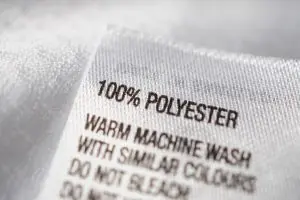
- Bragging about recycled polyester, even though these clothes still shed microplastics
- Using unclear words like “better materials” without any real proof or certifications
- Offering recycling or take-back programs, but really just making it the customer’s problem instead of producing less
Here’s the real problem: you can’t make endless disposable clothes in a sustainable way. If a brand puts out thousands of new styles every year, any small eco-friendly step gets erased by how much they’re making.
Real sustainability means slowing down, but fast fashion brands are built to do the exact opposite.
Common Examples of Greenwashing
Greenwashing isn’t always easy to spot. Many claims sound promising at first glance, but without context or evidence, they don’t necessarily tell the full story. Here are some of the most common examples to watch for:
Fast fashion brands starting “sustainable” or “conscious” collections
A small collection made with better materials can be a positive step, but it doesn’t necessarily change the larger business model. If a brand is still producing enormous volumes of clothing at a rapid pace, a handful of “sustainable” pieces can distract from the much bigger issue of overproduction and overconsumption. We also still have the issue of labor rights.
Using recycled polyester as the main sustainability claim
Recycled polyester can reduce the demand for virgin polyester, but it’s still a synthetic, plastic-based fiber that can shed microplastics and has end-of-life challenges. When brands heavily promote recycled polyester while ignoring production volume, microfiber pollution, garment longevity, and continued dependence on fossil-fuel-based synthetics, we’re only getting one part of the sustainability story.
Using unclear terms like “better materials,” “responsibly made,” “eco-conscious” or “planet-friendly”
These phrases sound reassuring, but they’re not very helpful without specifics. Better than what? Responsible according to which standards? Look for brands that explain exactly what they’re doing differently and provide evidence to support those claims rather than relying on feel-good language.
Calling a garment “sustainable” because of one material
A brand might highlight organic cotton, recycled fibers, or another preferred material even when it represents only a small percentage of the finished garment. Always check the full fiber-content label because a sustainability claim on the front of the tag may tell you very little about what the entire garment is actually made from.
Using green tags, leaves, earthy colors & nature imagery
Sometimes greenwashing is more visual than verbal. Leaves, flowers, kraft-paper tags, muted earth tones, and photos of forests can subconsciously make a product feel environmentally responsible; even when those visuals tell us absolutely nothing about how the garment was made.
Creating brand-made sustainability badges or scoring systems
A green badge or sustainability score can look like an official third-party certification when it’s actually a system the company created itself. Before trusting a logo, look into who developed the standard, what criteria are being measured, and whether anyone independent verifies the claims.
Advertising clothing as “made from recycled materials” without stating how much
“Made with recycled materials” could mean the garment contains a substantial amount… or a very small percentage. Brands should clearly disclose the fiber composition and recycled content so shoppers can understand how meaningful the claim actually is.
Promoting carbon offsets while doing little to reduce emissions from production
Offsets can be one part of a broader climate strategy, but they shouldn’t replace reducing emissions at the source. We’d rather see companies addressing materials, manufacturing, energy use, transportation, and especially unnecessary production before leaning heavily on offsets to market themselves as climate-friendly.
Calling something “natural” or “biodegradable” while ignoring the rest of the garment
A fiber may originate from a natural source or be capable of biodegrading under certain conditions, but that doesn’t mean the finished garment will harmlessly disappear in nature. Chemical processing, dyes, finishes, synthetic blends, and disposal conditions all matter, which is why these claims need context.
Making claims like “carbon neutral,” “zero impact” or “climate positive”
The bigger the environmental claim, the more evidence we should expect to see behind it. Brands should clearly explain what the claim covers, how it was calculated, what reductions have actually been made, and whether offsets are involved rather than leaving shoppers to interpret an impressive-sounding phrase on their own.
Talking extensively about packaging improvements
Reducing plastic packaging is great, but packaging is only one part of fashion’s environmental footprint. If a company spends more time telling us about its recycled mailers than discussing materials, manufacturing, workers, transportation, production volume, and waste, it’s worth asking why.
Highlighting sustainable initiatives while providing little supply-chain transparency
A company might have a recycling program, use some certified materials, install renewable energy, or announce ambitious climate goals; and those can all be worthwhile. But sustainability also requires looking at the bigger picture, including where clothing is made, working conditions, wages, materials, suppliers, production volumes, and progress toward stated goals.
Promoting take-back or recycling programs without explaining what happens to the clothing
“Bring us your old clothes and we’ll recycle them” sounds like a circular solution, but textile recycling is much more complicated than that. Brands should be transparent about how much clothing is collected, where it goes, how much is actually recycled into new textiles, and what happens to everything that can’t be recycled.
Remember: None of these things automatically mean a brand is greenwashing. Recycled fibers, better packaging, preferred materials, take-back programs, and carbon reductions can all be meaningful improvements. The red flag is when one positive initiative is used to create an overall image of sustainability while bigger impacts (especially overproduction) are ignored.
How to Avoid Greenwashing:
Now that we know how to identify greenwashing, how do we prevent being fooled? Thankfully in more recent years, the FTC is starting to be more strict with green initiative marketing and providing marketers guidelines. They most recently updated their Green Guides in 2012, which provide information specifically for companies regarding their environmental advertising.
As a consumer, there are some easy ways to tell what companies and products are actually sustainable and following through on their claims.
1. Be Skeptical
Read labels with skepticism and know that you can’t trust fancy marketing and product design.
2. Know Certifications
Get familiar with global certifications and national certifications in your area. Some commonly recognized logos are the Leaping Bunny Program logo, Green Seal, and Rainforest Alliance. The Ecolabel Guide app is also an excellent resource for looking up what a certification label stands for and if it’s legitimate. Read more about certifications here.
3. Avoid Generalizations
“Chemical-free,” “organic,” and “natural ingredients” are very broad terms and can be applied to anything. Look for companies providing more specifics on their products. “Certified fair trade, USDA organic, GOTS certified,” etc.
4. Look for Facts
Before purchasing products, do a quick google search on the company. Check for news articles about potential controversial claims or press releases on sustainability efforts. This information is usually able to be confirmed with reputable sources.
5. Visit the Company Website
Any company that claims sustainability and is doing the real work will have this information proudly displayed. They will be able to explain their processes in detail, why it matters to their company, and be able to provide specifics on how their initiatives are benefitting the planet.
Don’t forget your voice matters. Let companies know you find their greenwashing practices problematic. You can get involved by sending a company an email to a company you see using greenwashing. You can even use this easy copy-and-paste email template.
Greenwashing is everywhere, so don’t worry if you accidentally fell victim to false claims at one point. Just by knowing greenwashing exists is half the battle. By reading this article, you are now already more informed and less likely to be manipulated by “green” advertising in the future.

Greenwashing vs. Genuine Sustainability
It isn’t always easy to tell the difference between thoughtful sustainability efforts and clever marketing. The biggest distinction is transparency. Brands that are genuinely working to reduce their environmental impact are usually open about both their progress and the challenges they still face.
Rather than relying on broad claims, look for brands that share information about their materials, manufacturing, supply chain, labor practices, and long-term sustainability goals. They often publish impact reports, explain why they choose certain fabrics, and support their claims with credible third-party certifications. Remember, no brand is perfect; but honest brands are willing to show their work.
Questions to Ask Before Buying
When a product claims to be sustainable, it’s worth taking a closer look. Here are a few questions we like to ask before making a purchase:
- What materials is it made from?
- Does the brand explain why it’s more sustainable?
- Are any environmental claims supported by third-party certifications?
- Is the company transparent about where and how its products are made?
- Is this a long-lasting, well-made item I’ll wear or use for years?
- Is this one sustainable product, or does the brand demonstrate responsible practices across its business?
Taking a few extra minutes to investigate can help you make more informed purchasing decisions; and avoid falling for greenwashing.
Certifications That Can Help
While certifications aren’t the only indicator of a responsible brand, they can provide additional confidence that certain environmental or social standards have been independently verified. Some of the certifications we often look for include:
- GOTS (Global Organic Textile Standard) for organic fibers and responsible processing
- OEKO-TEX® STANDARD 100 for testing harmful substances in textiles
- Fair Trade Certified™ for stronger social and labor standards
- MADE SAFE® for products screened against thousands of potentially harmful chemicals
- bluesign® for safer chemical management and responsible manufacturing
- Global Recycled Standard (GRS) for verified recycled content
- FSC® (Forest Stewardship Council) for responsibly sourced forest-based materials
Keep in mind that certifications can be expensive; especially for small businesses. A lack of certification doesn’t automatically mean a brand isn’t doing the right thing. We always recommend looking at the bigger picture, including transparency, materials, manufacturing practices, and the company’s overall commitment to sustainability.
Frequently Asked Questions
What is greenwashing?
Greenwashing is when a company makes environmental claims that are exaggerated, misleading, or unsupported in order to appear more sustainable than it actually is.
Why is greenwashing a problem?
Greenwashing makes it harder for consumers to make informed choices and can divert support away from brands that are making genuine sustainability improvements.
Is every sustainable claim greenwashing?
No. Many brands are making meaningful progress toward reducing their environmental impact. The key is looking for transparency, evidence, and measurable actions rather than relying solely on marketing language.
How can I avoid greenwashing?
Look beyond buzzwords. Read material lists, research the brand, check for credible certifications, and choose companies that openly share information about their products and supply chains.
Are certifications required for a brand to be sustainable?
Not necessarily. Certifications can be helpful, but they aren’t the only measure of sustainability. Many small brands follow responsible practices but may not have the resources to pursue third-party certifications.
What industries use greenwashing the most?
Greenwashing can occur in almost any industry, but it’s especially common in fashion, beauty, food, cleaning products, and household goods, where sustainability has become a major selling point.
Our Final Thoughts on Greenwashing
Greenwashing can make shopping feel overwhelming, but you don’t need to become an expert overnight. Looking for transparency, asking thoughtful questions, understanding materials, and supporting brands that are open about both their progress and their challenges can go a long way. No company is perfect, but honest communication is often the best sign that a brand is genuinely working toward better practices ♡



























Great post – these are all very useful tips. Greenwashing is so prevalent these days, so it is a must to avoid.
Jenna ♥
Stay in touch? http://www.lifeofanearthmuffin.com
Amazing
Bundle of thanks for sharing such an informative content
Greenwashing is the worst! Not only does it mislead consumers and perpetuate manufacturing that is actually harmful for the planet, it damages those companies who are genuinely trying to do things right. Greenwashing creates mistrust, creating an additional barrier for those really walking the talk. Thanks for the post! http://www.nomomente.org
Such an important topic! I am loving everyone bringing awareness.
Great points! It can be really hard to tell what is the truth and what is not. I also recommend looking at this article for more tips. https://blog.joinethically.com/blog/how-to-tell-that-a-brand-is-greenwashing/