When the temperatures rise, the fabric you’re wearing can make just as much of a difference as the style itself. While many summer clothes are made from polyester and other synthetic materials, these fabrics often trap heat, retain odors, and feel less breathable on hot, humid days.
Instead, we recommend reaching for natural fibers and a few thoughtfully made semi-synthetic fabrics that allow air to circulate, wick away moisture, and help keep you comfortable throughout the season.
Whether you’re building a summer capsule wardrobe or simply looking for cooler clothing, these are the best fabrics for hot weather.
Disclosure: Some of the links below are affiliated; we may earn a small commission if you click through and make a purchase. We only feature brands that align with our values and contribute to a better world. Thank you for supporting these brands – and us! Cover Image: Pact
What Makes a Fabric Good for Summer?
The best summer fabrics have a few things in common:
- Lightweight and breathable
- Allow air to circulate
- Help wick moisture away from the skin
- Dry relatively quickly
- Feel soft and comfortable in humid weather
Natural fibers tend to perform especially well because they’re breathable and don’t trap heat the way many synthetic fabrics do.
The Best Fabrics for Summer

1. Linen
Linen is often considered the gold standard for summer clothing… & for good reason.
Made from the flax plant, linen is incredibly breathable, lightweight, and naturally moisture-wicking. Its loose weave allows heat to escape, making it one of the coolest fabrics you can wear. Although linen wrinkles easily, those relaxed wrinkles are part of its charm and make it perfect for effortless summer style. Dress Pictured by Linen Handmade Studio
Best for:
- Dresses
- Button-down shirts
- Wide-leg pants
- Shorts
- Lightweight blazers
2. Organic Cotton
Organic cotton is another summer favorite. Soft, breathable, and comfortable, cotton allows airflow while absorbing moisture better than many synthetic materials. Choosing organic cotton also helps support farming practices that avoid synthetic pesticides and use more responsible growing methods.
For the coolest option, look for lightweight cotton poplin, voile, gauze, or jersey.
Best for:
- T-shirts
- Sundresses
- Sleepwear
- Children’s clothing
- Everyday basics

3. Hemp
Hemp has become one of our favorite sustainable fabrics. It’s naturally breathable, highly durable, and becomes softer every time you wash it. Hemp also resists odors better than many synthetic fabrics, making it ideal for warm weather.
Many brands blend hemp with organic cotton or TENCEL™ Lyocell to create softer fabrics without sacrificing breathability. Shirt Pictured by Obakki
Best for:
- Shirts
- Dresses
- Shorts
- Lightweight pants
4. TENCEL™ Lyocell
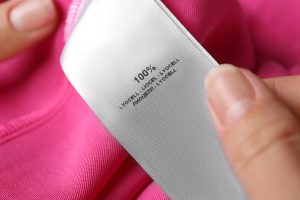
While TENCEL™ Lyocell isn’t a natural fiber, it’s one of the few semi-synthetic materials we regularly recommend. Made from responsibly sourced wood pulp in a closed-loop manufacturing process, TENCEL™ is smooth, lightweight, breathable, and excellent at managing moisture.
Its silky feel makes it especially comfortable during hot weather while creating beautiful drape for dresses and blouses.
Best for:
- Dresses
- Blouses
- Lightweight pants
- Loungewear

5. Lightweight Silk
Silk may not be the first fabric that comes to mind for summer, but lightweight silk can be surprisingly breathable.
Because silk is a natural protein fiber, it helps regulate body temperature and feels cool against the skin. While it requires more delicate care than linen or cotton, it’s a beautiful choice for dressier summer occasions. Blouse Pictured by Everlane
Best for:
- Blouses
- Dresses
- Scarves
- Evening wear
Fabrics to Avoid in Hot Weather
Not every fabric performs well in the heat. These materials often trap warmth, reduce airflow, or retain odors more quickly.
Polyester
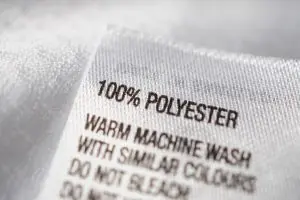
Polyester is one of the least breathable fabrics commonly used in summer clothing. Because it’s plastic-based, it tends to trap heat and moisture against your skin, making hot days feel even warmer.
Acrylic
Acrylic behaves similarly to wool but without the breathability. It’s warm, lightweight, and often uncomfortable in high temperatures.
Heavy Nylon
While nylon works well for certain performance apparel, heavier nylon fabrics aren’t ideal for everyday summer clothing because they tend to trap heat and moisture.
Summer Clothing Tips
Choosing the right fabric is only part of staying cool.
You can also stay comfortable by:
- Wearing loose-fitting clothing
- Choosing lighter colors that reflect sunlight
- Layering lightweight natural fabrics instead of heavier garments
- Looking for woven fabrics that allow more airflow
- Wearing breathable natural fiber underwear and socks

Our Favorite Summer Clothing Brands
Some of our favorite brands for breathable summer clothing include:
- Christy Dawn
- MATE the Label
- Fair Indigo
- Harvest & Mill
- Pact
- LA Relaxed
- Eileen Fisher
- Q for Quinn
- Araks
- Carve Designs
These brands use natural fibers like linen, organic cotton, hemp, and TENCEL™ Lyocell to create timeless clothing designed to last well beyond a single season.
Frequently Asked Questions
What is the best fabric for hot weather?
Linen is widely considered the best fabric for hot weather thanks to its exceptional breathability, lightweight feel, and moisture-wicking properties. Organic cotton, hemp, and TENCEL™ Lyocell are also excellent choices.
What is the coolest fabric to wear in summer?
Linen is typically the coolest fabric because its natural fibers and loose weave allow air to circulate freely. Lightweight organic cotton and hemp are also great options.
Is cotton or polyester better for summer?
Cotton is much better for summer. It’s more breathable, absorbs moisture, and feels cooler against the skin than polyester, which tends to trap heat.
Is linen cooler than cotton?
Both fabrics are excellent, but linen is generally more breathable and dries faster than cotton, making it especially comfortable in hot, humid climates.
Is TENCEL™ good for summer?
Yes. TENCEL™ Lyocell is lightweight, breathable, moisture-managing, and soft, making it one of our favorite semi-synthetic fabrics for warm weather.
What fabrics should you avoid in summer?
We generally recommend avoiding heavy polyester, acrylic, and thick nylon for everyday summer clothing because they tend to trap heat and reduce breathability.
Our Final Thoughts
Summer clothing doesn’t have to be complicated. Simply paying attention to fabric content can make a noticeable difference in how comfortable you feel throughout the day.
At Sustainably Chic, we recommend building your warm-weather wardrobe around breathable natural materials like linen, organic cotton, hemp, and lightweight silk, while incorporating thoughtfully made TENCEL™ pieces when appropriate. Choosing quality fabrics not only keeps you cooler; it also helps you build a wardrobe you’ll enjoy wearing for many summers to come ☀️