If you have sensitive skin, eczema, allergies, or simply find certain fabrics uncomfortable, what your clothing is made from can make a noticeable difference. While everyone’s skin is unique, choosing softer, more breathable materials may help reduce irritation and improve everyday comfort.
At Sustainably Chic, we encourage prioritizing natural fibers whenever possible. They’re often more breathable, less likely to trap heat, and can feel gentler against the skin than many synthetic materials.
Here are the fabrics we recommend most often… and a few we like to avoid.
What Makes a Fabric Good for Sensitive Skin?
The best fabrics for sensitive skin are typically soft, breathable, and comfortable enough for all-day wear. They should allow air to circulate, help manage moisture, and avoid unnecessary finishes whenever possible.
When shopping for clothing, we usually look for fabrics that are:
- Soft and gentle against the skin
- Breathable
- Moisture-managing
- Comfortable year-round
- Durable enough for regular washing
- Certified by standards like OEKO-TEX® or GOTS when available
While fabric alone won’t solve every skin concern, it can make getting dressed much more comfortable.
The Best Fabrics for Sensitive Skin

1. Organic Cotton
Best for: Everyday clothing
Organic cotton is one of our favorite fabrics for sensitive skin. It’s naturally soft, breathable, and works well for everything from T-shirts and underwear to pajamas and bedding. We especially like organic cotton because it’s grown without synthetic pesticides and is often available with certifications like GOTS and OEKO-TEX®, which can provide additional confidence about the finished textile. (pictured: Pact’s Organic Cloudknit Ritual Set)
Why we like it:
- Soft against the skin
- Breathable
- Comfortable year-round
- Durable
- Easy to care for
2. Linen
Best for: Hot weather
Linen is lightweight, breathable, and excellent at promoting airflow, making it a wonderful option if your skin becomes irritated by heat or excessive sweating. Although it has a slightly textured feel at first, high-quality linen softens beautifully over time.
Why we like it:
- Naturally breathable
- Lightweight
- Excellent airflow
- Moisture-managing
- Long-lasting

3. Hemp
Best for: Breathable everyday wear
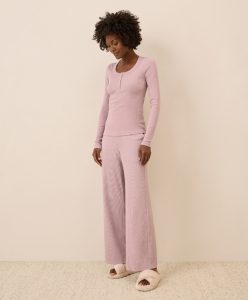
Hemp is another natural fiber that becomes softer with every wash. It’s durable, breathable, and often blended with organic cotton for an even softer feel. (Pictured: Organic Cotton & Hemp Blend Loungewear from Jungmaven)
Why we like it:
- Naturally breathable
- Strong natural fiber
- Moisture-wicking
- Long-lasting
- Softens over time
4. Silk
Best for: Lightweight luxury
Silk is naturally smooth and feels exceptionally soft against the skin. While it requires more delicate care than cotton or linen, it can be a wonderful option for those who enjoy lightweight sleepwear or scarves.
Why we like it:
- Naturally smooth
- Lightweight
- Temperature-regulating
- Luxurious feel

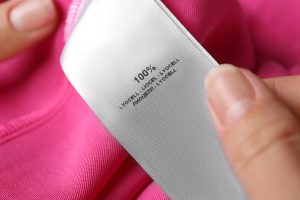
5. TENCEL™ Lyocell
Best for: Silky-soft comfort
TENCEL™ Lyocell is one of the semi-synthetic fabrics we recommend most often. It’s incredibly smooth, lightweight, and manages moisture well, making it a comfortable choice for people with sensitive skin. Because it’s made in a closed-loop manufacturing process from responsibly sourced wood pulp, it also aligns well with a more mindful wardrobe. (Pictured: Carve Lea Tissue Crewneck made from TENCEL™ Lyocell)
Why we like it:
- Silky-soft feel
- Breathable
- Moisture-managing
- Lightweight
- Gentle against the skin
6. Merino Wool
Best for: Cooler weather
Not all wool feels itchy. Fine merino wool is much softer than traditional wool and naturally regulates temperature, making it a comfortable option for many people during colder months. If you’re sensitive to wool, though, it’s always a good idea to try it first before investing in multiple pieces.
Why we like it:
- Excellent temperature regulation
- Naturally moisture-wicking
- Soft when finely spun
- Great for layering
Fabrics We Generally Try to Avoid
Polyester
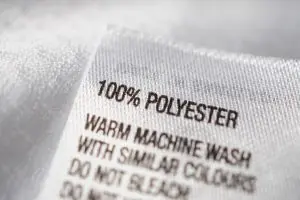
Polyester, a petroleum-based fiber, is widely used in clothing because it’s durable and inexpensive, but we do not like it for sensitive skin. It traps heat more than many natural fibers and sheds microplastic fibers during washing. You are essentially wearing plastic when you wear a polyester garment.
Acrylic
Acrylic is often used in sweaters and knitwear, but it isn’t particularly breathable and can sometimes feel rough against sensitive skin. It’s also petroleum-based, like polyester, so it’s also a form of plastic.
Heavy Nylon
Nylon is common in activewear and hosiery. While small amounts can improve durability or stretch, garments made primarily from nylon may not feel as breathable as natural fibers. Nylon is ALSO plastic.
Most Rayons
While rayon feels soft against the skin, it isn’t our recommendation for sensitive skin. Because it’s a semi-synthetic fiber, the manufacturing process can involve intensive chemical treatments, and some rayon garments may also be finished with dyes or wrinkle-resistant coatings that could irritate those with very sensitive skin. If you do choose rayon, look for TENCEL™ Lyocell, and avoid bamboo and other viscose fibers.
Rough Wool
Traditional coarse wool can feel itchy for some people. If you enjoy wool, we recommend looking for fine merino instead.
Certifications We Look For
While certifications don’t guarantee that a garment will work for everyone, they can provide additional information about how a textile was produced.
Some of our favorites include:
- OEKO-TEX® Standard 100 – Tests finished textiles for harmful substances.
- GOTS (Global Organic Textile Standard) – Covers organic fibers and environmental and social criteria.
- MADE SAFE® – Found on select clothing and home textiles.
- Fair Trade Certified™ – Supports responsible manufacturing practices.

Tips for Choosing Clothing for Sensitive Skin
Beyond fabric choice, a few shopping habits can also help. (pictured: Disney Princess HannaJams™ Pajama Set made from Organic Cotton)
We recommend:
- Wash new clothing before wearing it.
- Choose loose-fitting garments when possible.
- Avoid heavily scented detergents and fabric softeners.
- Look for minimal seams or tags if you’re easily irritated.
- Prioritize breathable fabrics over plastic-based materials.
Sometimes it’s the little details (not just the fabric) that make clothing more comfortable.
Click here for our favorite non-toxic clothing brands that use fabrics for sensitive skin.
Frequently Asked Questions
What is the best fabric for sensitive skin?
Organic cotton is one of our top recommendations because it’s soft, breathable, durable, and suitable for everyday wear. Linen, hemp, TENCEL™ Lyocell, and fine merino wool are also excellent choices depending on the season.
Is organic cotton good for eczema?
Many people with eczema prefer organic cotton because it’s soft and breathable. However, skin sensitivities vary from person to person, so it’s always best to choose clothing that feels comfortable for you and follow any guidance from your healthcare provider.
Is polyester bad for sensitive skin?
Not necessarily, but some people find polyester less breathable than natural fibers. If you tend to overheat or your skin is easily irritated, you may prefer fabrics like organic cotton or linen.
Is bamboo fabric good for sensitive skin?
Many fabrics labeled as bamboo are actually bamboo viscose, a regenerated cellulose fiber. While these fabrics are often very soft, we generally recommend organic cotton first, followed by TENCEL™ Lyocell when looking for exceptionally gentle materials.
What clothing certifications should I look for?
OEKO-TEX® Standard 100 and GOTS are two of our favorite certifications because they provide additional information about the materials and manufacturing process.
Our Final Thoughts on Fabrics for Sensitive Skin
If you have sensitive skin, the best fabric is often one that feels soft, breathable, and comfortable enough to wear all day. Natural fibers like organic cotton, linen, and hemp remain some of our top recommendations, while TENCEL™ Lyocell offers an exceptionally smooth alternative when you’re looking for something silky and lightweight.
Rather than focusing on having a closet full of clothes, consider investing in a few well-made basics crafted from fabrics that feel good against your skin. Small changes in the materials you wear every day can make a surprisingly big difference in overall comfort.