

Let’s dive into a topic that’s often overlooked but incredibly important -our underwear! While we usually focus on outerwear when discussing sustainability, it’s time to give our undergarments the love they deserve. Opting for organic underwear is not only a smart choice for the planet but also a wonderful gift for your body. With breathable natural fabrics and ethical production processes, these pieces beautifully blend comfort, care, and consciousness. After all, shouldn’t what we wear closest to our skin reflect our values? Let’s embrace the idea that sustainability can be just as cozy as it is responsible (or cheeky, if you prefer! 😉).
Disclosure: Some of the links below are affiliated; we may earn a small commission if you click through and make a purchase. We only feature brands that align with our values and contribute to a better world. Thank you for supporting these brands – and us! Cover: Subset
What Are the Best Organic Underwear Brands?
Some of the best organic underwear brands include Pact, KENT, Subset, and VIMERA . We prioritize underwear made with certified organic cotton, hemp and other breathable natural fibers, particularly brands using certifications like GOTS and OEKO-TEX®. For shoppers trying to reduce synthetic fibers (no elastane added), OddoBody, KENT and Christy Dawn offer 100% cotton options, while Pact and Subset use mostly organic cotton with a small percentage of elastane for stretch. Below, we’ve compared our favorite organic and non-toxic underwear brands by materials, certifications, price and what makes each one worth considering.
Why Choose Organic Underwear?
Underwear is one of the most intimate pieces of clothing we own. It sits directly against our skin for hours every day, which is one reason we’re particularly thoughtful about the materials we choose. For us, organic cotton is one of the best places to start. Cotton is naturally breathable, soft and absorbent, while certified organic cotton is grown without the synthetic pesticides and fertilizers prohibited under organic standards. Choosing organic also helps reduce our reliance on petroleum-based fabrics like polyester and nylon.
But we don’t believe that simply putting the word “organic” on a pair of underwear automatically makes it non-toxic or sustainable. We prefer GOTS-certified organic cotton whenever possible because GOTS goes beyond how the cotton is grown and includes requirements for textile processing, dyes and certain chemical inputs. We also look for certifications such as OEKO-TEX® STANDARD 100, which tests finished textiles and their components for a wide range of harmful substances.
And then there’s the rest of the garment...
Many organic cotton underwear styles contain 5–10% elastane or spandex for stretch, while others use synthetic elastic in the waistband or leg openings. That’s why we always recommend looking at the entire fiber composition rather than assuming “organic cotton underwear” means 100% natural or synthetic-free.
From an environmental perspective, organic cotton also has some important advantages. Organic farming practices prioritize soil health and biodiversity while restricting synthetic pesticides and fertilizers. When paired with responsible processing, quality construction and ethical manufacturing, organic cotton underwear can be a much more thoughtful alternative to conventional synthetic underwear.
Ultimately, we choose organic underwear because it gives us the opportunity to be more intentional about something we wear every single day. Look for high percentages of natural fibers, credible certifications, safer dyes and finishes, minimal synthetic content and brands that are transparent about how their underwear is made.
Organic is a great starting point… but what’s in the whole garment matters just as much.
What Makes Underwear Non-Toxic?
When we’re looking for non-toxic underwear, we go beyond simply checking whether the label says “organic.” Organic cotton is a great place to start, but what happens to that cotton during processing matters, too. After all, underwear sits directly against some of the most sensitive areas of our skin for hours at a time. We want to know what the fabric is made from, how it’s dyed and finished, what gives it stretch & whether the brand is transparent about its processing.
Here’s what we look for when choosing non-toxic underwear:
1. Fiber Composition
We prefer underwear made primarily from natural fibers, especially organic cotton. Ideally, the brand clearly lists the entire fiber composition rather than simply advertising a product as “organic cotton” when it actually contains a significant percentage of synthetic material.
A small amount of elastane or spandex is common in underwear because it helps the garment stretch and retain its shape. We don’t necessarily consider this an automatic dealbreaker, but we prefer brands that minimize synthetic fibers whenever possible.
2. GOTS-Certified Organic Cotton
The Global Organic Textile Standard (GOTS) is one of our favorite certifications to look for because it goes beyond the way cotton is grown. GOTS sets requirements for textile processing, including restrictions on certain hazardous chemicals, dyes and finishes, while also including environmental and social criteria throughout certified stages of production. This makes GOTS-certified organic cotton particularly valuable for something worn so close to the skin.
3. OEKO-TEX® STANDARD 100
You’ll also see OEKO-TEX® STANDARD 100 mentioned throughout this guide. This certification tests finished textile products and their components for a wide range of harmful substances. It’s important to remember that OEKO-TEX® certification does not mean a fabric is organic or natural. Synthetic materials can also carry the certification. We view it as an additional layer of reassurance rather than a replacement for looking at fiber content.
4. Dyes & Chemical Finishes
A natural fiber can still undergo significant chemical processing after it’s harvested. That’s why we also pay attention to the dyes, treatments and finishes used on the finished garment. We favor brands that use lower-impact or independently tested dyes and avoid unnecessary chemical treatments. Certifications can be especially helpful here when a brand doesn’t disclose every chemical used during production.
5. PFAS & Formaldehyde
We also look for transparency around chemicals such as PFAS and formaldehyde, which may be associated with certain textile treatments and performance finishes. Underwear really doesn’t need a long list of special performance treatments. In general, we prefer simpler fabrics without unnecessary stain-resistant, water-resistant, wrinkle-resistant or similar finishes unless the brand can clearly explain what is being used.
6. Synthetic Fibers
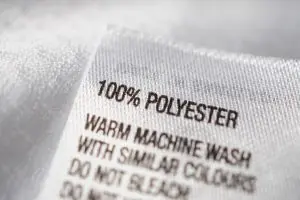
Polyester and nylon are petroleum-based synthetic fibers, so we generally prioritize underwear made predominantly from natural materials instead. This doesn’t mean every pair needs to be 100% natural fiber. Stretch, fit and durability matter, too. But there’s a big difference between underwear that’s 95% organic cotton with 5% elastane and a pair made primarily from polyester or nylon. We always recommend checking the actual percentages on the fiber label.
7. Elastane & Spandex
Elastane (also called spandex) is one of the trickiest materials to avoid in underwear. Even many otherwise excellent organic cotton brands use a small percentage to create stretch and help underwear maintain its shape. For readers looking to reduce synthetics as much as possible, we highlight brands that use very little elastane or avoid it altogether. OddoBody, KENT and Christy Dawn do not contain any elastane, and VIMERA wraps theirs with 100% organic cotton.
8. Transparency Around Processing
Ultimately, one of the biggest things we look for is transparency. A brand shouldn’t simply tell us its underwear is “clean,” “natural,” “eco-friendly” or “non-toxic.” We want to know why. What fibers are used? What percentage of the garment is organic cotton? What creates the stretch? How is the fabric dyed? Are chemical finishes used? Are there credible third-party certifications? Does the brand provide information about its manufacturing and processing?
No pair of underwear has to check every single box to be a better option. But the more specific information a brand provides, the easier it is for us to understand what we’re actually putting against our skin, and make a more informed choice.
Does Organic Cotton Underwear Contain Spandex?
Yes, organic cotton underwear can contain spandex or elastane. Seeing “organic cotton” on the label doesn’t necessarily mean you’re buying underwear made from 100% organic cotton. Many brands blend approximately 5–10% elastane or spandex with organic cotton to give underwear the stretch it needs for a comfortable fit and to help it maintain its shape over time. While we prefer natural fibers whenever possible, a small amount of elastane can be difficult to avoid in close-fitting garments like underwear.
If you’re trying to minimize synthetic fibers, look for underwear with 100% cotton fabric bodies or cotton-covered elastic. Like we stated above: OddoBody, KENT and Christy Dawn do not contain any elastane, and VIMERA wraps theirs with 100% organic cotton. For a deeper dive, read our guides to elastane/spandex and synthetic vs. natural fabrics to better understand where stretch fibers fit into a more natural wardrobe.
Our Top Picks for Sustainable & Organic Underwear

1. Pact
Materials: 95% Organic Cotton, 5% Elastane
Price: $16-18 ($30 for 3-Pack)
Today, Pact offers a wide range of everyday wardrobe essentials, from cozy sweaters and soft tees to dresses, leggings, pajamas and comfortable basics for the whole family, but the brand actually got its start with underwear!
Organic cotton remains at the heart of Pact’s collections. The brand uses GOTS-certified organic cotton, which is grown without the toxic pesticides and synthetic fertilizers commonly associated with conventional cotton. Their clothing is also made in Fair Trade Certified™ factories, helping support better working conditions and additional benefits for the people making their clothes.
We especially love Pact for its combination of sustainability and accessibility. The pieces are comfortable, easy to wear and relatively affordable compared to many sustainable fashion brands. Pact also uses more responsible packaging and offers a clothing donation program that makes it easier to give unwanted garments a second life. If you’re looking to replace everyday basics with organic cotton options, Pact is a great place to start.

2. VIMERA
Materials: 100% organic Peruvian Pima cotton
Price: $29 ($80 for 3-Pack)
VIMERA is a great choice if you want to swap synthetic-blended underwear for something much more natural, and for underwear that makes an ordinary day feel a little more beautiful. The Peruvian-founded, California-based brand believes beauty lives in simplicity, so everything is pared back: quiet colors, no visible branding, nothing unnecessary. Their underwear is made in small batches in Lima from 100% organic Peruvian Pima cotton fabric from a GOTS-certified mill, a soft, breathable option that feels very comfortable against the skin- exactly what we want in a layer we wear all day!
VIMERA keeps the collection deliberately small, with three different underwear styles, making it easy to choose based on the coverage and fit you prefer. Whether you prefer something more minimal (the thong), a classic everyday silhouette (the bikini), or a higher-coverage option (the high brief), each style keeps the focus on simple, comfortable organic cotton. You can find the styles in two different colors: black and bare. Plus, the elastic is fully encased in cotton, so it doesn’t sit directly against your skin, and every order arrives in a reusable cotton envelope.

3. KENT
Materials: 100% GOTS-certified organic Pima cotton
Price: $28 ($80 for 3-Pack)
If you’re looking for underwear made without synthetic fabrics, KENT is one of our favorite options. Their underwear is made from 100% GOTS-certified organic Pima cotton, giving you a soft, breathable alternative to the polyester, nylon and elastane blends commonly found in intimates.
What makes KENT especially unique is its commitment to creating plastic-free basics. The brand focuses on natural fibers and thoughtfully designed pieces that feel comfortable against your skin while avoiding unnecessary synthetics. Their organic cotton underwear comes in several classic cuts and neutral, easy-to-wear colors, making it simple to find something that works for your everyday wardrobe.
We also love that KENT thinks about what happens at the end of a garment’s life. Their 100% cotton pieces are designed with circularity and compostability in mind. If you’re trying to build a more natural, low-plastic wardrobe, underwear is a great place to start, and KENT makes the switch incredibly easy.

4. Subset
Materials: 95% Certified Organic Cotton, 5% elastane
Price: $20
We love Subset for comfortable everyday underwear made with better materials. Their pieces are crafted from certified organic cotton, creating a soft, breathable alternative to underwear made primarily from synthetic fabrics. With classic cuts, simple colors and styles designed for everyday wear, Subset makes it easy to bring more natural fibers into one of the most personal parts of your wardrobe.
The brand also pays attention to what goes into its organic cotton supply chain. Subset uses OEKO-TEX® certified dyes, which are tested against standards for harmful substances, helping provide additional reassurance about the materials sitting close to your skin. We also appreciate the brand’s focus on creating high-quality basics rather than constantly chasing trends.
If you’re looking to replace old underwear with something more natural, breathable and thoughtfully made, Subset is an easy brand to consider. Their organic cotton underwear combines comfort, simple design and more responsible material choices for basics you’ll reach for every day.

5. OddoBody
Materials: 100% GOTS-Certified Organic Cotton
Price: $28-30
Oddobody takes a refreshingly simple approach to underwear: keeping things natural, breathable and comfortable against your skin. Their underwear is made from 100% organic Pima cotton, and we especially love Oddobody’s focus on vulvar health and breathability.
Cotton allows for better airflow and moisture management than many synthetic fabrics, which is one reason it’s so often recommended for everyday underwear. Their styles are soft, lightweight and designed with comfort in mind, with several cuts to choose from depending on your preference.
The brand also considers what happens beyond the wear phase. Oddobody uses compostable and recyclable packaging, and because its underwear is made entirely from natural cotton, the pieces are designed to be compostable at the end of their useful life. It’s a simple everyday basic with a lot less plastic.

6. MATE the Label
Materials: 95% Organic Cotton, 5% Spandex
Price: $28
MATE the Label is a Los Angeles-based brand that specializes in sustainable basics made from GOTS-certified organic cotton and low-impact dyes. With a focus on both comfort and environmental responsibility, MATE is proud to be Climate-Neutral Certified.
The brand takes ethical production seriously, manufacturing locally in Los Angeles, which allows for careful oversight of their supply chain and supports the local economy. Plus, MATE embraces eco-friendly practices with zero-waste packaging, reinforcing its mission to provide clean, essential products crafted from non-toxic materials.

7. Christy Dawn
Materials: 100% Regenerative Cotton Pointelle
Price: $48-58
Christy Dawn’s new underwear line, Regenerative Intimates, beautifully blends sustainability & femininity. Crafted entirely from 100% regenerative cotton pointelle & dyed with natural, non-toxic dyes, this collection is all about breathability, softness & eco-friendly craftsmanship. Styles include everyday bikini cuts like The Mel Panty as well as high-waist silhouettes like The Mia Undies, all thoughtfully designed with flattering fits and thoughtful details (think scalloped trim and satin bows).
Christy Dawn sources from farms using regenerative agriculture practices, and the line reflects their commitment to ethical production, worker welfare, and environmental restoration.

8. Araks
Materials: 100% GOTS Certified Organic Cotton
Price: $20-75
Araks brings luxury and sustainability together beautifully with their line of organic cotton underwear. Designed with intention, each piece feels effortlessly elegant yet comfortable enough for everyday wear. The brand uses GOTS-certified organic cotton, ensuring the fabric is soft on your skin and gentle on the planet.
Araks’ signature aesthetic of minimalism, timelessness, and femininity shines through in every style, from classic briefs to delicate bralettes. Every garment is thoughtfully made in ethically run factories, reflecting the brand’s long-standing commitment to responsible production. With Araks, you don’t have to choose between sustainability and sophistication because you truly get both!

9. PAKA
Materials: 46% Tencel, 32% Organic Pima Cotton, 14% Royal Alpaca, 8% Spandex
Price: $29
Founded in Peru, PAKA has created a natural, sustainable clothing line for those who love the outdoors. They believe using eco-friendly materials like their super soft Royal Alpaca that can connect consumers more to nature and sustainably support small communities.
Their non-toxic, Oeko-Tex certified Alpaca underwear is extra light, soft, anti-microbial, odor-resistant, ventilates heat & regulates body temperature!

10. Wama Underwear
Materials: 53% Hemp, 44% Organic Cotton, 3% Spandex
Price: $26
Thanks to hemp’s natural moisture-wicking properties, these undies are incredibly breathable, soft, and comfortable; perfect for everyday wear. Hemp also happens to be naturally resistant to mold and UV light, while holding color better than cotton.
And here’s a fun fact: hemp requires about half the water needed to grow cotton, making it one of the most sustainable fabrics out there!
How We Chose the Best Organic Underwear Brands
Not all organic underwear is created equally. A pair can be labeled “organic cotton” while still containing synthetic stretch fibers, conventional elastic, chemical finishes or dyes we know very little about. That’s why we look beyond the organic label when choosing brands for this guide.
At Sustainably Chic, we evaluate organic underwear based on fiber composition, percentage of natural fibers, certifications, dyes and chemical treatments, synthetic content, ethical manufacturing, supply-chain transparency, durability and end-of-life considerations.
We especially look for trusted third-party certifications like GOTS and OEKO-TEX® STANDARD 100, along with brands that are transparent about what’s actually in their underwear. That includes the small details that are easy to overlook, like elastane or spandex, waistband materials, cotton-covered elastic and chemical treatments.
We also recognize that there isn’t one perfect pair of underwear for everyone. Some readers want 100% natural, plastic-free underwear, while others are comfortable with a small percentage of elastane if it improves fit and longevity. Rather than automatically excluding a brand for using a synthetic stretch fiber, we want to clearly tell you what’s in each garment so you can decide what works best for you.
I’ve been writing about sustainable fashion and textiles for more than 12 years, and Sustainably Chic has covered hundreds of brands, fabrics and certifications during that time. For this guide, we looked beyond a brand simply using the word “organic” and considered the entire garment; from fiber content and certifications to dyes, stretch fibers and manufacturing.
Our goal is simple: to give you enough information to understand what you’re actually buying, rather than relying on a green label or marketing claim.
Organic Underwear FAQs
What is the best organic underwear?
The best organic underwear is made primarily from certified organic cotton, uses safer dyes and finishes, and comes from a brand that’s transparent about its materials and manufacturing. We especially like looking for GOTS-certified organic cotton because GOTS covers more than how the cotton is grown. It also sets requirements around textile processing, chemicals and environmental and social criteria. If avoiding synthetics is important to you, check the complete fiber composition, too. Many organic cotton underwear styles still contain a small percentage of elastane or spandex for stretch.
Is organic cotton good for underwear?
Yes, organic cotton is one of our favorite materials for underwear. It’s soft, breathable and comfortable against the skin, and certified organic cotton is grown without the synthetic pesticides and fertilizers prohibited under organic standards. We particularly like organic cotton for underwear because it’s a natural fiber and doesn’t rely on petroleum like polyester and nylon do. For the most reassurance around processing, look for GOTS-certified organic cotton rather than relying on the word “organic” alone.
Is organic underwear worth it?
For us, quality organic underwear can absolutely be worth the investment, particularly for something that sits directly against your skin every day. However, we wouldn’t pay more simply because a brand puts “organic” on the label. We look at the complete garment: fiber percentages, certifications, dyes, chemical finishes, elastic, manufacturing and durability. A well-made pair you’ll comfortably wear for years is ultimately more valuable than an “eco-friendly” pair that quickly stretches out or falls apart.
What is the healthiest material for underwear?
For everyday underwear, we generally prefer breathable natural fibers like organic cotton. Cotton is soft, breathable and absorbent, making it a practical choice for a garment worn so close to the body. If you’re concerned about chemicals used during growing and textile processing, GOTS-certified organic cotton is one of the certifications we recommend looking for. Of course, everyone’s skin and needs are different, so the material that’s most comfortable for you may vary.
Is 100% cotton underwear better?
100% cotton underwear can be a great option, especially if you’re trying to reduce synthetic fibers in your wardrobe. It’s breathable, comfortable and doesn’t require elastane to create stretch within the fabric itself. That said, 100% cotton doesn’t automatically mean organic or non-toxic. Conventional cotton can still be heavily processed, dyed and finished. We would choose 100% GOTS-certified organic cotton when possible if material purity is your priority. You’ll also want to check the waistband and leg openings. A “100% cotton” fabric body may still be constructed with synthetic elastic.
Is organic cotton underwear non-toxic?
Organic cotton underwear can be a lower-tox option, but the word “organic” alone doesn’t guarantee that the entire garment is non-toxic. We also consider how the fabric is processed and dyed, whether chemical finishes are used, what the elastic is made from and whether the finished product has been independently tested. Certifications such as GOTS and OEKO-TEX® STANDARD 100 can provide additional information about chemical requirements and testing.
Does organic cotton underwear contain chemicals?
Organic cotton underwear isn’t necessarily chemical-free. In fact, “chemical-free” isn’t a particularly useful standard because everything is made of chemicals, including natural materials. The more important question is which chemicals are being used and whether potentially harmful substances are appropriately restricted or tested for. Cotton still needs to be cleaned, processed, dyed and turned into fabric. This is why we look for certifications such as GOTS and OEKO-TEX® STANDARD 100 and brands that provide meaningful information about their dyes, finishes and processing.
Does organic underwear contain spandex?
Yes, organic underwear can contain spandex or elastane. Many brands blend around 5–10% elastane with organic cotton to improve stretch, fit and shape retention. If you’re trying to minimize synthetics, look for 100% cotton fabric bodies or cotton-covered elastic. You may also see newer lower-impact stretch options such as ROICA®, although these should not be confused with natural fibers. And remember: a garment containing GOTS-certified organic cotton isn’t necessarily entirely synthetic-free.Always check the full fiber composition and, when available, information about the waistband and trims.
Is polyester bad for underwear?
We generally prefer natural, breathable fibers over polyester for everyday underwear. Polyester is a petroleum-based synthetic fiber and can shed microplastics during washing and wear. It also behaves differently from absorbent natural fibers such as cotton, which is one reason we tend to choose organic cotton for everyday basics worn directly against the skin. That doesn’t mean wearing polyester underwear occasionally is inherently dangerous. We simply prefer natural fibers when practical, particularly for garments we wear for long periods of time.
What certifications should I look for in organic underwear?
Two of our favorite certifications to look for when shopping for organic underwear are GOTS and OEKO-TEX® STANDARD 100. GOTS (Global Organic Textile Standard) verifies organic fiber content while also setting environmental and chemical requirements for textile processing, along with social criteria. OEKO-TEX® STANDARD 100 tests textiles and their components for a wide range of harmful substances. However, OEKO-TEX® does not mean a fabric is organic or natural. Polyester and other synthetic fabrics can also be OEKO-TEX® certified. Ideally, we like to see strong fiber choices paired with meaningful third-party certification and good supply-chain transparency.
Is bamboo underwear better than organic cotton?
We generally prefer certified organic cotton over conventional bamboo viscose for underwear. Although bamboo sounds like an incredibly natural material, most “bamboo fabric” is actually bamboo viscose or rayon. Bamboo has to undergo significant chemical processing to turn the plant into the soft fabric used for clothing. That doesn’t mean all bamboo-derived fabrics are the same. Processing methods and chemical management matter, and bamboo lyocell is different from conventional bamboo viscose. But if we’re choosing between an unclear “bamboo” fabric and GOTS-certified organic cotton, organic cotton is usually our preference.
What is the best underwear for sensitive skin?
For sensitive skin, we would start with soft, breathable underwear made predominantly from organic cotton with minimal unnecessary treatments. Look for simple fabric compositions, transparent dyeing and finishing practices, and certifications such as GOTS or OEKO-TEX® STANDARD 100. If you’re particularly sensitive, you may also prefer underwear without synthetic fabric blends or exposed elastic. Keep in mind that sensitivities vary considerably from person to person. Natural rubber, for example, may sound like a great synthetic-free alternative, but it isn’t appropriate for someone with a latex allergy.
Is organic cotton underwear breathable?
Yes, organic cotton underwear is generally breathable. Cotton is a natural fiber that can absorb moisture while allowing airflow, which is one reason it has traditionally been such a popular material for underwear. Organic cotton has similar fundamental performance characteristics to conventional cotton; the “organic” distinction primarily relates to how the fiber is grown and, depending on certification, how it is processed. For maximum breathability, we prefer underwear with a high percentage of cotton rather than blends dominated by polyester or nylon.
How often should you replace underwear?
There’s no universal rule that says you need to throw away underwear after a specific number of months. We would much rather focus on the actual condition of the garment than replace perfectly wearable underwear according to an arbitrary schedule. It’s probably time to replace a pair when the elastic is no longer functioning, the fabric has become excessively thin or damaged, the fit has changed significantly, or it can no longer be properly cleaned. Buying durable underwear, caring for it properly and keeping it in use for as long as it’s comfortable and functional is generally the more sustainable approach. And when it finally reaches the end of its wearable life, check whether the brand offers a textile recycling or take-back program before tossing it in the trash.
























The blog provides great insights that will help us make the right choice in fabric.
This blog is very helpful.