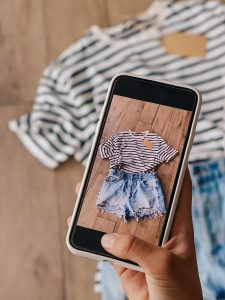
The more we learn about our clothing, the more we realize that what our clothes are actually made from matters just as much as where and how they’re made. For me, non-toxic fashion isn’t about another trendy label or sustainability claim; it starts with the fabrics we put against our skin every day.
The materials we choose can impact our health, the environment and even how long our clothes last, yet they’re often overlooked in favor of trends and clever marketing.
In this guide, I’m sharing some of my favorite brands that prioritize natural fibers, safer dyes and finishes, and more responsible production practices. You don’t need a perfectly non-toxic wardrobe (I certainly don’t!), but knowing what to look for can help you make more informed choices and slowly build a closet that feels good to wear and better reflects your values. 🙂
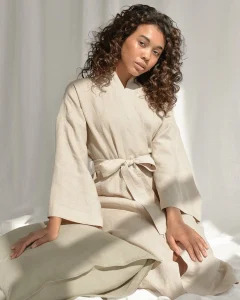
Disclosure: Some of the links below are affiliated; we may earn a small commission if you click through and make a purchase. We only feature brands that align with our values and contribute to a better world. Thank you for supporting these brands – and us! Cover Image: MATE the Label
What Is Natural Fiber Clothing?
Natural fiber clothing is made from fibers that come directly from plants or animals, rather than being synthesized from petroleum-based materials. Some of the most common plant-based natural fibers include cotton, linen and hemp, while animal-based options include wool, alpaca, silk and cashmere.
We tend to prefer natural fibers because they’re breathable, comfortable and don’t contribute to microfiber pollution in the same way synthetic fabrics like polyester, nylon and acrylic do. However, natural doesn’t automatically mean sustainable. Conventional cotton, for example, can be grown using synthetic pesticides, while animal fibers come with their own environmental and animal-welfare considerations. It’s also important to look beyond the fiber itself. Dyes, chemical finishes, farming practices, manufacturing conditions and garment quality all contribute to a piece of clothing’s overall impact.
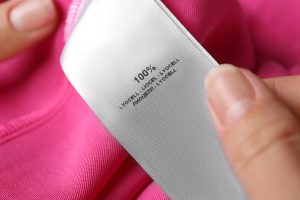
And while fabrics like lyocell and viscose originate from natural cellulose (usually wood pulp), they’re technically regenerated cellulosic fibers rather than natural fibers because the raw material undergoes chemical processing to be transformed into textile fiber. Ultimately, the fiber label is a great place to start, but it never tells the entire story.
What fabrics should you look for when purchasing new clothes?
When you want non-toxic fashion, what your clothes are made from matters. In 2026, we look for fabrics that come from nature, are grown responsibly, and are made with fewer harmful chemicals. These kinds of materials are better for you & the planet.
Natural & Plant-Based Fibers We Prioritize
- Organic Cotton: This cotton is grown without toxic chemicals or fake fertilizers. It’s safer for farmers, the environment, and your skin. If you can, look for GOTS-certified organic cotton.
- Linen: Linen comes from the flax plant and doesn’t need a lot of water or chemicals to grow. It’s breathable, strong, and breaks down naturally.
- Hemp: Hemp is a super sustainable fiber. It grows quickly, helps keep the soil healthy, and requires little to no pesticides.
- Wool & Alpaca: These natural fibers help keep you warm or cool, last a long time, and break down safely when sourced sustainably.
- Silk: Silk is a natural fiber made by silkworms. When made ethically, it’s strong and soft, and doesn’t need fake additives.
Fabrics We Are More Cautious Of
Semi-synthetic fibers like TENCEL™ Lyocell, Modal, and viscose are somewhere between natural and fully synthetic materials. They come from plants, like wood pulp, but still need chemicals to turn them into fabric. Because of that, we see semi-synthetics as a second-best choice. They’re better than plastic-based fibers, especially if they’re made in factories that handle chemicals well. But they aren’t as good as real natural fibers. If you pick carefully, semi-synthetics can be soft and work well, and they can be better for the environment. Still, we prefer natural fibers that undergo less processing whenever possible. Lyocell, which can be made from either bamboo or eucalyptus, is the best option for semi-synthetics.
What We Limit
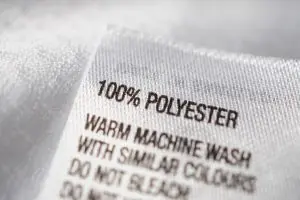
We try not to buy synthetic fibers like polyester, nylon, & acrylic (even if they’re recycled) because they can shed microplastics, rely on fossil fuels, and might expose you to chemicals. Synthetics can be useful for special sports clothes, but they’re not our first choice for everyday outfits anymore. Also, sometimes we need a little stretch, and synthetics are blended with natural fibers. Our rule of thumb is to keep synthetics to less than 15% when purchasing a new piece of clothing.
Our Favorite Brands Using Natural Fabrics
Beaumont Organics
Beaumont creates timeless, feminine clothing with a focus on beautiful natural fibers like cotton, linen and wool. We especially love the brand’s elevated yet wearable aesthetic, making it a great option for anyone looking to move away from synthetic-heavy clothing while still building a wardrobe that feels modern and polished.
Christy Dawn
Christy Dawn is all about romantic, vintage-style dresses made with organic cotton and regenerative cotton. They use gentle dyes, work with responsible farms, and make clothes in small batches.
Cleobella
Cleobella uses natural fabrics like cotton and linen and works with craftspeople all over the world. Many of their clothes are handmade. They care about fair work, quality, and classic styles instead of chasing the latest trends.
Conscious Step
Conscious Step makes socks and basics out of organic cotton. They focus on fair pay and making a positive difference. Their prices make it easier for more people to try non-toxic, natural-fiber clothes.
Cottonique
Cottonique makes clothes from certified organic cotton for people with sensitive skin. They don’t use any harsh chemicals or dyes, so their clothes are a good pick if you want something pure & simple.
Daughters of India
Daughters of India is known for its romantic, flowy silhouettes made primarily from breathable natural fibers like cotton. We especially love their lightweight dresses and separates, which are handcrafted in India using traditional techniques and have that effortless, feminine feel that makes natural-fiber clothing so beautiful to wear.
Fair Indigo
Fair Indigo makes simple, classic basics from organic cotton in fair-trade factories. Their clothes are made to last and are a solid choice for a non-toxic wardrobe.
Happy Earth
Happy Earth makes everyday basics mostly from organic cotton. They try to keep prices fair and focus on ethical making. They’re a great place to start if you’re new to natural-fiber clothes.
Harvest & Mill
Harvest & Mill makes 100% organic cotton clothing, all grown & made in the U.S. They’re transparent about how everything is made & avoid toxic chemicals.
Kent
Kent uses natural fibers like cotton and wool and makes simple, well-made clothes. They focus on pieces that last and look classic, not just trendy.
Known Supply
Known Supply uses organic cotton & other responsibly sourced fibers, and they’re Fair Trade-certified. They also tell you who made your clothes, helping you feel more connected to what you wear.
LA Relaxed
LA Relaxed makes comfy loungewear and everyday clothes from organic cotton and linen. Their relaxed fits and focus on comfort make them perfect for easy, low-tox outfits.
Lezat
Lezat makes simple, high-quality basics out of natural fabrics like cotton & linen. They care more about making things well than making lots of them.
MATE the Label
MATE the Label is all about being clean from start to finish. They use certified organic cotton, linen, & gentle dyes. With top certifications, they’re a leader in non-toxic clothing.
NUI Organics
NUI makes simple clothes from natural fibers, focusing on classic styles & responsibly sourced materials. They use MerinoSilk fabric for many of their basics.
Outerknown
Outerknown uses organic cotton, hemp, and linen in lots of their clothes. They build things to last and focus on ethical making, so you can wear their pieces for years.
Pact
Pact makes affordable basics from certified organic cotton in Fair Trade factories. They’re a great choice for everyday clothes with fewer chemicals.
Patagonia
Patagonia is a longtime favorite for thoughtfully made outdoor and everyday clothing, with plenty of natural-fiber options to choose from. We especially love the brand’s use of Regenerative Organic Certified® cotton, which goes beyond organic standards by focusing on soil health, animal welfare and the well-being of farmers and workers. It’s a great material to look for when shopping Patagonia’s tees, sweatshirts and everyday basics.
Printfresh
Printfresh makes fun, printed pajamas and loungewear out of organic cotton. Their natural fabrics mean your sleepwear is safer and more breathable for your skin.
Rujuta Sheth
Rujuta Sheth uses handwoven natural cotton fabrics made by artisans in India. Their clothes reflect slow fashion & a respect for traditional skills.
Subset
Subset makes underwear and basics from organic cotton, focusing on comfort and lasting quality. They keep things simple and clean, not trendy.
Threads 4 Thought
Threads4Thought makes everyday clothes from organic cotton & other plant-based fibers. They balance fair prices with ethical making and have always cared about responsible materials.
Toad & Co
Toad & Co uses organic cotton and hemp in their outdoor-ready clothes. They focus on making things that last, can be repaired, and use less harmful materials.
VIMERA
VIMERA, a Peruvian-founded, California-based brand, is a lovely option for anyone looking to replace synthetic-blended underwear with more natural fibers. Their everyday underwear is made in small batches in Lima using 100% organic Peruvian Pima cotton fabric, a naturally breathable fiber known for its exceptionally soft feel (perfect for the layer that sits closest to your skin)! The brand deliberately offers few options because it believes the beauty is in simplicity, and you don’t need endless variety when you have a few well-chosen essentials.
Warp+Weft
Warp+Weft makes jeans from natural cotton, focusing on great fit and using less synthetic blends. Their denim is made to last longer than just one season.
What to Look for in Natural Fiber Clothing
Choosing natural fibers is a great place to start, but the fiber itself doesn’t tell us everything about how a garment was made. From blends and farming practices to dyes, certifications and working conditions, there are a few other things we like to consider before adding something new to our wardrobes.
100% Natural Fibers vs. Blends
Always check the full fiber composition rather than relying on the product name or description. A “cotton sweater,” for example, may contain a significant amount of polyester, acrylic or nylon. When possible, we prefer clothing made from 100% natural fibers, particularly for everyday pieces like T-shirts, sweaters, dresses and pajamas. However, a small amount of synthetic fiber can sometimes serve a functional purpose, especially when stretch or performance is needed. As a personal rule, I try to keep synthetics below 15% in these cases. Checking the percentages on the clothing label is one of the easiest ways to understand what you’re actually buying.
Organic & Regenerative Materials
How a natural fiber is grown matters, too. When shopping for cotton, we often look for certified organic cotton, which is grown without synthetic pesticides and fertilizers and follows specific requirements for organic agriculture. GOTS-certified organic cotton is one of our favorites because the standard extends beyond the farm and includes requirements throughout textile processing.
We’re also excited to see more brands investing in regenerative agriculture. Rather than focusing solely on avoiding certain inputs, regenerative farming practices can prioritize things like soil health, biodiversity and ecosystem resilience. Certifications such as Regenerative Organic Certified® provide an additional framework around soil health, animal welfare and social fairness.
Look for Trusted Certifications
Certifications can make it a little easier to understand claims that aren’t obvious from looking at a garment.
GOTS (Global Organic Textile Standard) verifies organic fiber content while also setting environmental, chemical and social criteria for textile processing.
OEKO-TEX® STANDARD 100 tests finished textiles for a defined list of potentially harmful substances. However, OEKO-TEX® does not mean a fabric is organic, and synthetic fabrics can also receive the certification.
Fair Trade certifications focus more heavily on the people behind our clothing, with standards related to working conditions, worker protections and economic benefits.
No certification is perfect, but credible third-party standards can give us more information than vague claims like “eco-friendly” or “conscious.”
Pay Attention to Dyes & Finishes
One thing that’s easy to overlook is that natural fiber doesn’t automatically mean non-toxic clothing. A garment can be made from 100% cotton, linen or wool and still undergo dyeing, bleaching, softening or finishing treatments during production. Clothing may also be treated to create properties like wrinkle resistance, stain resistance, water resistance or odor control. Unfortunately, your clothing label usually won’t tell you much about these processes. This is why we appreciate brands that are transparent about their dyes and finishes and use credible certifications or chemical-management standards.
Look Beyond the “Made In” Label
Where a garment is sewn is only one part of its supply chain. The fiber may be grown in one country, spun and woven in another, dyed somewhere else and finally cut and sewn in the country listed on the label. When evaluating a brand, we look for supply-chain transparency, factory information, worker protections and responsible manufacturing practices rather than assuming a garment is ethical simply because of where it was made. The brands doing this particularly well tend to tell you not only where their clothing is made, but also who makes it and under what conditions.
Choose Quality Over Quantity
Finally, natural fiber clothing isn’t particularly sustainable if we’re constantly replacing it. Look at the fabric quality and overall construction of a garment. Are the seams secure? Does the fabric feel substantial enough for its intended use? Are buttons, zippers and other details well attached? Does the garment seem designed to withstand regular wear and washing?
We would much rather invest in fewer, well-made pieces we’ll wear for years than fill our closets with natural-fiber clothing simply because the material sounds sustainable. Ultimately, the goal isn’t to find a “perfect” garment. It’s to understand what we’re buying, ask better questions and choose pieces that genuinely deserve a place in our wardrobes.
Looking for the most affordable sustainable clothing brands? Check out this post here.
Don’t forget to add your favorite natural clothing brands in a comment below <3