Linen is one of the oldest textiles in the world, yet it remains one of the most relevant choices for a modern wardrobe. Made from the flax plant, linen fabric is a natural fiber celebrated for its durability, comfort, and timeless appeal.
Whether you’re shopping for warm-weather clothing, bedding, or home textiles, linen has earned a reputation as one of the most versatile and sustainable fabric options available.
Its lightweight weave and moisture-wicking properties make it an exceptionally breathable fabric, helping you stay cool even on the hottest days. Beyond comfort, linen also has a lower environmental impact than many conventional textiles, requiring fewer resources to grow and lasting for years with proper care.
In this guide, we’ll explore what linen is, how it’s made, why it’s considered a more sustainable choice, and whether it’s the right fabric for your wardrobe.
What is Linen?
Linen is the oldest known textile, with linen fibers being found in ancient caves in SouthEast Europe that are believed to date back to around 36,000 years! Mentions of linen were even found on tablets in ancient Greece. Find out more about the history of linen here. Linen has long been considered a luxurious fabric, and linen bedding was handed down in Europe through generations as a family heirloom. It was also traded as a commodity in Egypt and valued in Mesopotamia. Most production is done in Europe, accounting for 80% of worldwide production.
Linen is a natural textile made from the fibers of the flax plant (Linum usitatissimum). Unlike cotton, which comes from the fluffy seed fibers of the plant, linen is produced using the long, strong fibers found inside the flax stem. These fibers are spun into yarn and woven into the durable, breathable fabric we know as linen.
For thousands of years, linen has been valued for its strength, comfort, and longevity. Today, it’s widely used in clothing, bedding, towels, curtains, and home décor. Thanks to its natural breathability, moisture-wicking ability, and long lifespan, linen continues to be one of the most sought-after fabrics for anyone looking to build a more sustainable wardrobe.
What Is Linen Used For?
Linen is used in household products such as sheet sets, table linens, curtains, bags, towels, upholstery, and more. Linen is so strongly associated with household materials; linen has become a generic term for describing things like towels, bedding, and tablecloths, no matter what material they are made from.
Linen’s use in fashion has grown a lot in the last few decades too. Nearly 70% of European’s linen is used in fashion. It is also often used to sew embroidery in garments since it is such a strong material. So, when looking for a new pair of shorts, a skirt, a summer blouse, or whatever, don’t forget to look for linen options. Linen blends are usually the most desirable due to the wrinkling I mentioned previously. Personally, I need new bed sheets, and finding linen ones is at the top of my list.
Linen also has many industrial uses, thanks to its strength. The most common industrial uses include insulation, filtration materials, reinforced plastics, sewing thread, surgical thread, and twine. And fun fact: linen makes up 25% of the American dollar.
How Is Linen Made?
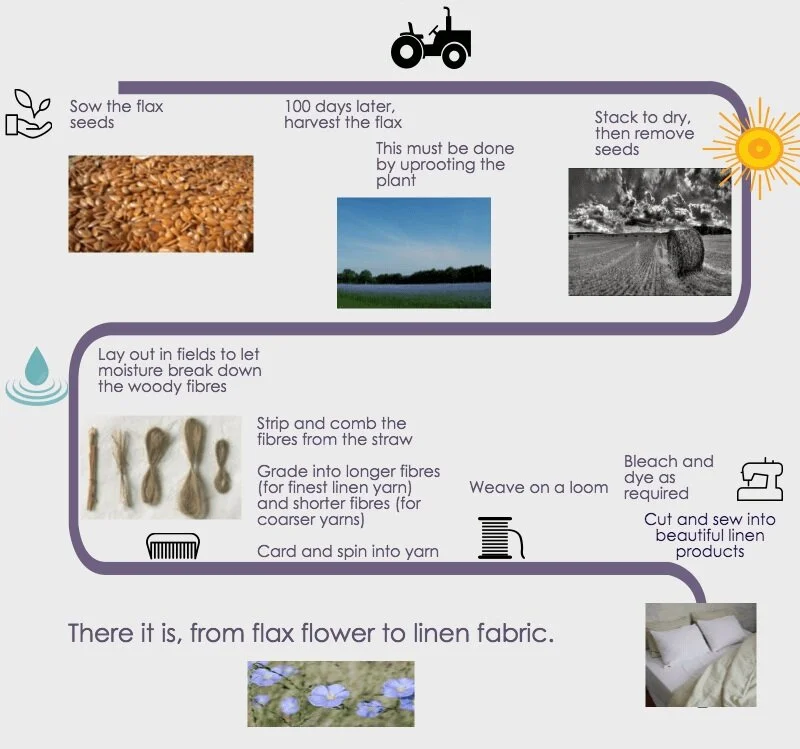
Linen is a fabric made from the flax plant; yes, the same plant that gives us flax seeds for nutrition. The short version of linen production is that the linen fibers are separated from the plant, combed for softness, then spun into yarn. Here is a little more detail for those of us that are textile geeks.
- Fibers are cut from the plant or pulled by hand from the ground.
- Seeds are removed, and then the fibers go through retting, which entirely removes the fibers from the plant.
- Next, the fibers are separated, and the longest pieces are collected together.
- The yarn is woven into long sheets of fabric.
Why Is Linen Considered Sustainable?
Flax harvesting and linen production are naturally very sustainable, so not much has to be done to lessen the impact of production on the planet or people. Flax grows easily, requires little pesticides, absorbs carbon, and uses less water than more popular fabrics like cotton. Flax is also used as a rotation crop, improving the quality of the soil, helping support the growth of other crops, and reducing soil erosion.
When the flax plant is harvested, it is used for many things like flaxseeds, flaxseed oil, and linseed oil. According to the European Confederation of Linen and Hemp, producing a linen shirt uses 6.4 liters of water compared to 2,700 liters for a cotton shirt. Therefore, growing and harvesting flax is really easy on the planet overall.
When selecting linen products, look for naturally occurring colors such as ivory, ecru, oatmeal, and taupe. White linens are bleached, and other colors are usually dyed with chemical dyes, which can cause soil and water pollution. If you can find naturally dyed fabrics, though, go for it. Retting using a chemical process can release harmful chemicals into the environment, and water retting can waste a lot of water. Try to find products that use dew retting, or reduce or recycle their water. More and more European flax is being sent to China for processing into linen. To help ensure the production is sustainable and ethical, look for organic linen, transparent information on growing and production processes, and for items made in Europe. Japan is also a growing producer of high-quality linen made sustainably and ethically. Flax harvesting is labor-intensive, so look for fair trade certification or transparency about labor practices.
However, linen isn’t automatically sustainable; how it’s grown, dyed, and manufactured still matters 🙂

Pros of Linen
There are so many characteristics that make linen a wonderful & versatile fabric. Amongst its best qualities are:
- Strong and durable – 30% stronger than cotton
- Absorbent – can absorb up to 20% of its weight in moisture
- Breathable – the long wide fibers make linen very breathable
- Keeps you cool yet can be insulating
- Long lasting – due to its long fibers and strength, linen can hold up for many years
- Gets softer with time, washing and wear
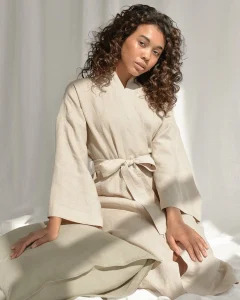
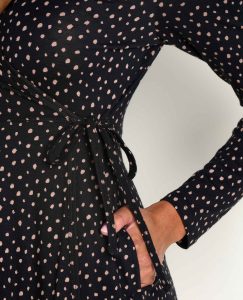
(pictured: Tie Sleeves Linen Dress by Linen Handmade Studio)
Cons of Linen
No fabric is perfect, though, so what about linen is not so wonderful? The main complaint about linen is it wrinkles very easily. Ironically some of its best characteristics would make linen clothes a great choice for travel, but the wrinkling keeps it from being a favorite, especially amongst frequent travelers. Look for linen and organic cotton blends to reduce wrinkling and still have travel-worthy clothes. Linen can also tear or have permanent creases set if pulled and twisted too roughly too often.
Finally, due to the manual harvesting and production process, linen can be expensive. Linen only accounts for 1% of fabric production despite its great qualities due to cheaper, more wrinkle-resistant fabrics like cotton.
Is Linen Good for Summer?
Absolutely. Linen is widely considered one of the best fabrics for summer because it’s naturally lightweight, breathable, and designed to help you stay comfortable in warm weather. The loose weave allows air to circulate freely, while the flax fibers quickly absorb and release moisture, helping sweat evaporate instead of leaving you feeling sticky.
In hot, humid climates, linen often feels cooler than many other fabrics because it doesn’t cling to the skin. Instead, it creates airflow between your body and the fabric, making it a favorite for everything from breezy dresses and button-down shirts to wide-leg pants and lightweight bedding.
Linen is also an excellent travel fabric for warm destinations. It’s durable, dries quickly after washing, and can be worn repeatedly without needing frequent laundering. While it does wrinkle easily, many people embrace its relaxed, lived-in look as part of its charm.
Whether you’re spending the day at the beach, exploring a new city, or simply trying to stay cool during the summer months, linen is one of the most comfortable natural fabrics you can wear.
Is Linen Good for Winter?
While linen is best known as a summer fabric, it can absolutely have a place in your winter wardrobe. The key is layering. Linen is naturally breathable and helps regulate body temperature, meaning it doesn’t just keep you cool; it also helps prevent overheating when worn beneath sweaters, coats, or jackets. A linen button-down layered under a wool sweater or blazer adds warmth without feeling bulky, while heavier-weight linen pieces can be surprisingly cozy during cooler months.
Because linen absorbs moisture and dries quickly, it also helps keep you comfortable as you move between chilly outdoor temperatures and heated indoor spaces. Pairing linen with natural fibers like wool, cashmere, or organic cotton creates breathable layers that work together to regulate your temperature throughout the day. If you live in a very cold climate, linen probably won’t be your outermost layer. But as part of a thoughtfully layered outfit, it’s a versatile fabric that can be worn comfortably year-round.

Does Linen Wrinkle?
Yes; linen wrinkles easily, and that’s completely normal. In fact, those soft creases are one of the fabric’s most recognizable characteristics. Linen is made from long, natural flax fibers that have very little elasticity. Unlike many synthetic fabrics, the fibers don’t easily spring back into place after they’re bent or folded, so wrinkles naturally form as you wear the garment.
Rather than seeing this as a flaw, many people embrace linen’s relaxed, effortless appearance. Those lived-in wrinkles are part of what gives linen its timeless charm and casual elegance. A lightly wrinkled linen shirt or dress often looks intentional rather than unkempt.
If you prefer a smoother look, you can steam or iron linen while it’s still slightly damp. Choosing linen blends with organic cotton or TENCEL™ can also reduce wrinkling, though you’ll lose a bit of the crisp texture and breathability that make 100% linen so appealing. At Sustainably Chic, we think linen is one of those fabrics that’s best enjoyed rather than perfected. A few wrinkles are simply part of wearing a natural fiber, and they’re often a sign that your clothing is being worn and loved.
How to Wash & Care for Linen
Like any other fabric, one of the best ways to improve its sustainability is to care for it in a way that lengthens its life. Good news – you can machine wash and dry your linens! Here are some tips for how to best care for this lovely fabric:
- Wash on low temperatures in warm or cold water in the gentle cycle with a mild detergent. High temperatures can shrink and weaken the fabric over time.
- Do not bleach linen. Fabric softeners are not needed as linen naturally softens with washing, and the chemicals could reduce its natural absorbency and ability to wick away moisture. Besides, fabric softeners are not very environmentally friendly – we personally prefer using dryer balls to dryer sheets.
- Dry at a low temperature, remove when damp, and then hang dry for softer, less wrinkly garments. This also reduces wear and tear.
- You can try to iron linen and will get most wrinkles out, but it will take time. Embrace the creases and wrinkles – it is part of linen’s appeal. If you do prefer the smooth look, iron at a medium-hot temperature while still damp and use a little steam when needed.
- You don’t need to do anything special with linen when storing it. Do avoid plastic bags and cardboard boxes, though – you don’t want your fabrics to get musty or dusty.

How Long Does Linen Last?
One of linen’s greatest strengths is its longevity. With proper care, a high-quality linen garment can last for decades, making it one of the most durable natural fabrics you can buy.
Flax fibers are naturally strong, which means linen resists everyday wear better than many other textiles. In fact, linen often becomes softer and more comfortable over time without losing its integrity. Unlike fabrics that pill or break down after repeated washing, well-made linen tends to improve with age.
To help your linen last as long as possible, wash it in cool or lukewarm water with a gentle detergent, avoid high heat when drying, and store it in a cool, dry place. Small repairs, like replacing a button or mending a seam, can also extend the life of your favorite pieces for many more years.
While linen may cost more upfront than some fabrics, its exceptional durability often makes it a better value over time. Investing in fewer, well-made linen pieces that you’ll wear for years aligns perfectly with a more thoughtful, sustainable approach to building your wardrobe.
What Certifications Should You Look For?
There are two certifications that can help you identify linens that are produced to a high quality and sustainably. Certifications are not required to feel pretty confident about linen being people and planet-friendly, and they do add even more transparency and confidence about what you are buying.
OEKO-TEX 100 Class 1 Certification
This means the finished product must adhere to 100 requirements related to quality and the use of non-toxic substances. The products must also be tested by 18 independent, accredited institutes in Europe and Japan.
European Flax® certification
This certification ensures traceability during every step of the production process. Certified producers commit to zero irrigation, no GMOs, zero waste, and no chemical use during fiber extraction. They are also operated by the standards of the International Labour Organization (ILO), ensuring high standards for labor rights and working conditions are met. The graphic below shows the rigor of the certification process. Currently, the certification is exclusively for the fabric produced in France, Belgium, and the Netherlands.
What about organic?
Some linen products are certified organic or GOTS organic, and unfortunately not many. In fact, less than 1% of European linen is certified organic. Flax is a crop that is rotated every 7 years. For the flax to be certified organic, all crops grown on the same land must be certified organic too. Since flax production naturally creates a small environmental footprint and is done with so few pesticides, it is not likely worth it for most growers to go through the additional time and expense of achieving organic certification.
Frequently Asked Questions About Linen
What is linen made from?
Linen is made from the long fibers found inside the stems of the flax plant (Linum usitatissimum). These fibers are harvested, processed, spun into yarn, and woven into the durable fabric we know as linen.
Is linen better than cotton?
Neither fabric is universally “better”, it depends on your needs. Linen is generally more breathable, durable, and requires fewer resources to produce, while cotton is softer from the first wear and is often more affordable. Both can be excellent choices, especially when you choose high-quality or organic options.
Is linen sustainable?
Linen is considered one of the most sustainable natural fabrics. Flax typically requires less water than conventional cotton, can often grow without irrigation, and generally needs fewer pesticides and fertilizers. Linen is also incredibly durable, helping garments stay in your wardrobe for years.
Is linen biodegradable?
Yes. Linen is a natural plant fiber and is biodegradable when it’s 100% linen and free from synthetic finishes or blended synthetic fibers. At the end of its life, untreated linen can naturally break down over time.
Does linen shrink?
Linen can shrink slightly, especially if exposed to high heat during washing or drying. To minimize shrinkage, wash in cool or lukewarm water and either line dry or tumble dry on low heat.
Is linen good for hot weather?
Absolutely. Linen is one of the best fabrics for warm climates because it’s lightweight, breathable, and moisture-wicking. It allows air to circulate while helping sweat evaporate, keeping you cooler and more comfortable.
Why is linen expensive?
Producing linen is more labor-intensive than many other fabrics. Harvesting flax, separating the fibers, and processing them into yarn requires multiple steps, which contributes to the higher price. Its exceptional durability also means it often provides excellent long-term value.
Is 100% linen worth it?
If you’re looking for a long-lasting, breathable, natural fabric, many people find 100% linen well worth the investment. It becomes softer with every wash and can last for decades when properly cared for.
Does linen wrinkle easily?
Yes. Linen wrinkles more easily than many fabrics because flax fibers have very little natural elasticity. Those wrinkles are part of linen’s relaxed, lived-in character and are often considered part of its appeal.
Can you machine wash linen?
Yes. Most linen clothing can be machine washed on a gentle cycle using cool or lukewarm water and a mild detergent. Always check the care label, as some structured garments may recommend dry cleaning.
Does linen last longer than cotton?
Generally, yes. Linen fibers are naturally stronger than cotton fibers, making linen garments exceptionally durable. With proper care, linen often outlasts cotton and becomes softer over time.
Is linen non-toxic?
Linen itself is a natural, non-toxic fiber. However, the finished fabric can still be treated with dyes or chemical finishes during manufacturing. If you’re looking for the cleanest option, consider brands using certifications like GOTS or OEKO-TEX® Standard 100.
Is linen good for sensitive skin?
For many people, yes. Linen is naturally breathable, moisture-wicking, and made from plant fibers, making it a comfortable option for those with sensitive skin. Choosing undyed or certified fabrics may help reduce exposure to unnecessary chemical finishes.
Does linen soften over time?
Yes. One of linen’s best qualities is that it becomes softer and more comfortable with every wash while maintaining its strength and durability.
What is the difference between flax and linen?
Flax is the plant, while linen is the fabric made from its fibers. In other words, flax is the raw agricultural crop, and linen is the finished textile created from the plant’s long stem fibers.
How We Evaluate Linen at Sustainably Chic
At Sustainably Chic, we look beyond the word “linen” on a clothing label. While linen is one of our favorite natural fibers, not all linen garments are created equal.
When evaluating a brand, we look for responsibly grown flax, thoughtful manufacturing practices, and certifications like GOTS or OEKO-TEX® when they’re available. We also consider how the garment is made; from the quality of the stitching and construction to whether it’s designed to last for years rather than just a season.
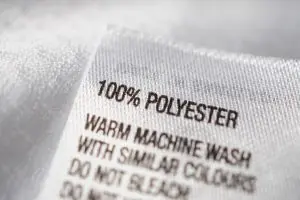
Whenever possible, we prefer 100% linen or linen blended with other natural fibers like organic cotton. While some blends include polyester or other synthetics to reduce wrinkles or lower costs, these materials can make garments less breathable, less biodegradable, and more difficult to recycle at the end of their life.
That said, we also recognize that sustainability isn’t all or nothing. Not every great brand has certifications, and not every shopper has the budget for premium linen. Our goal is to help you make informed choices, find pieces you’ll wear often, and build a wardrobe that values quality, longevity, and natural materials over fast-changing trends ♡