Polyester brings to mind bright 80s power suits and cheap fast fashion. It’s an unsustainable fabric best avoided, but what exactly is it made from, and why is it harmful to the environment?
Knowing the facts about fabrics helps us make better shopping choices. Let’s explore more about polyester!
Polyester at a Glance
What is it? A synthetic fiber most commonly made from petroleum-derived PET plastic.
Natural or synthetic? Synthetic.
Is polyester plastic? Yes.
Breathable? Generally less breathable than many natural fibers, although fabric construction matters.
Biodegradable? No, conventional polyester does not readily biodegrade.
Our take: We prefer natural fibers for most everyday clothing and use synthetics selectively where their performance properties are genuinely useful. However, we support finding better alternatives to petroleum-based synthetics in the future.
What Is Polyester?
Polyester is one of the most widely used fabrics in the world, and one of the materials we try to avoid whenever possible. Unlike natural fibers like cotton, linen or wool, polyester is a synthetic fiber made primarily from petroleum, a fossil fuel. The most common type used in clothing is polyethylene terephthalate (PET), which is essentially the same type of plastic used to make many plastic bottles and food containers.
To create polyester fabric, petroleum-derived chemicals are processed into a plastic polymer, melted down and spun into extremely fine fibers. Those fibers can then be woven or knitted into everything from activewear and fleece to dresses, sweaters and everyday basics.
Brands love polyester because it’s inexpensive, durable, wrinkle-resistant and incredibly versatile. But those benefits come with some pretty significant environmental concerns. Polyester relies on fossil fuels, doesn’t readily biodegrade, and can shed tiny plastic fibers (known as microfibers or microplastics) throughout its life, including during washing and wear. And because polyester is now found in so much of our clothing, understanding what it actually is can help us make more informed decisions about what we bring into our wardrobes.
What Is Polyester Made From?
Polyester refers to a chemical compound that consists of two parts: “poly,” meaning many, and “ester,” which is a basic organic chemical compound. Manufacturers primarily use ethylene, derived from petroleum, as the main ingredient in producing polyester. In this process, ethylene is the polymer and building block of polyester, created through “polymerization.”
Polyester fibers are synthetic and formed from a chemical reaction between an acid and alcohol, derived from coal, air, water, and petroleum. In this reaction, two or more molecules combine to make a large molecule whose structure repeats throughout its length. Polyester fibers can form very long molecules that are very stable and strong.
A Brief History of Polyester
Wallace Hume Carothers was an American chemist, inventor and the leader of organic chemistry at DuPont, an American chemical company. In the mid-1930s, Carothers discovered Nylon by mixing carboxylic acids and alcohols, leading to a fabric that remains popular today. In 1939, two British scientists, W.K. Birtwhistle and C.G. Ritchie built upon Carothers’ work, and by 1941, researchers developed the first polyester fiber, known as Terylene. DuPont bought the rights from the two scientists and later came up with their own polyester fiber called Dacron.
Polyester stands apart from natural fabrics like wool and cotton because scientists developed it through rigorous research and marketed it strategically. Announced to the American public in 1951, polyester’s main selling point was that it could be “worn for 68 days straight without ironing, and still look presentable”. The fabric’s popularity soared among women, the primary homemakers at the time.
Polyester is now the most widely used fiber in the world, accounting for roughly half of the overall fiber market and around 80% of synthetics fiber, according to the Textile Exchange Preferred Fiber Materials Report 2017. In 2024, polyester fiber production was estimated at 78 million tons.
Where do you find polyester?
Polyester plays a key role in manufacturing numerous products, such as clothing, home furnishings, industrial fabrics, and electrical insulation. Its lightweight, strong, and easily dyed characteristics make it a popular choice. Manufacturers can weave or knit polyester, and it blends well with other fibers. In the fashion industry, designers appreciate its versatility, using it to create a wide range of items, from activewear to bridalwear.
Another form of polyester used in fashion is poly-blends. Originally, it referred to combining different poly materials, but now it commonly means blending polyester fibres with natural ones. Poly-cotton, linen blends and terrycot (a blend of terylene and cotton) are common poly-blends used in fashion.
Is Polyester Plastic?
Yes, polyester is a type of plastic. Most polyester clothing is made from polyethylene terephthalate (PET), a synthetic polymer typically derived from petroleum. PET is also commonly used to make things like plastic bottles and food packaging.
Of course, a polyester dress doesn’t feel like a plastic bottle. During manufacturing, the plastic polymer is melted and spun into incredibly fine fibers, which can then be woven or knitted into soft, lightweight fabric. But changing its form doesn’t change what it’s made from. Polyester is still a fossil fuel-derived plastic, which is one of the main reasons we don’t consider it a preferred fabric at Sustainably Chic.
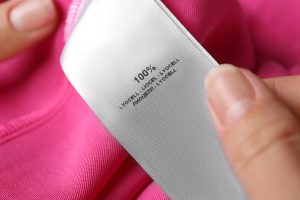
It also means polyester doesn’t biodegrade like natural fibers can, and it can shed tiny plastic fibers throughout its life, particularly during washing. These microplastics can eventually make their way into waterways and the wider environment. This is why checking the fabric tag matters. A garment may look and feel completely different from the plastics we encounter every day, but if the label says polyester, you’re wearing plastic.
How Is Polyester Fabric Made?
Polyester goes through quite a bit of processing before it becomes the soft fabric hanging in our closets. Most conventional polyester begins with petroleum-derived chemicals. These raw materials undergo a chemical reaction to create polyethylene terephthalate (PET), the plastic polymer most commonly used to make polyester clothing.
From there, the process looks something like this:
- The plastic polymer is created: Petroleum-derived ingredients are chemically combined to form PET.
- The PET is melted: The resulting plastic is heated until it becomes a thick liquid.
- It’s spun into fibers: The melted plastic is pushed through tiny holes called spinnerets, creating long, incredibly fine strands.
- The fibers are stretched and strengthened: These strands are cooled, stretched and treated to give them the desired strength, texture and flexibility.
- The fibers become fabric: Finally, polyester fibers are spun into yarn and woven or knitted into fabric before being dyed and finished.
This process is one reason polyester is so versatile. Manufacturers can alter the fibers to create everything from silky dresses and lightweight activewear to thick fleece and faux fur. But ultimately, polyester fabric starts as plastic. Its production relies heavily on fossil-fuel-based raw materials and energy-intensive processing, which is important to keep in mind when comparing polyester with lower-impact and natural fiber alternatives.
What Does Polyester Feel Like?
Polyester can feel surprisingly different depending on how the fabric is made. It can be smooth and silky, soft and fuzzy, lightweight and stretchy, or thick and fleece-like. That versatility is one of the reasons polyester shows up in so many types of clothing.
In general, polyester tends to feel smooth and lightweight, but it doesn’t have the same natural softness or breathability you get from fibers like organic cotton, linen or wool. Because polyester is essentially plastic, it doesn’t absorb moisture particularly well and can sometimes feel clammy, sweaty or less breathable, especially in warm weather.
You’ll also often find polyester blended with other fibers to change how a garment feels or performs. For example, it may be mixed with cotton for softness or elastane for additional stretch. So while modern polyester can certainly feel nice against the skin, texture alone doesn’t tell us much about what a fabric is made from. This is another reason we’re big believers in checking the fabric tag before you buy.
Is Polyester Stretchy?
Polyester can have some stretch, but polyester itself isn’t naturally very stretchy compared to fibers like elastane (also known as spandex). How stretchy a polyester garment feels really depends on how the fabric is made. Knitted polyester fabrics tend to have more give than tightly woven ones, and polyester is frequently blended with elastane to create the stretchy fabrics we associate with leggings, sports bras and other activewear.
You might see a fabric tag that says 90% polyester and 10% elastane, for example. In that case, most of the noticeable stretch is coming from the elastane rather than the polyester itself. One thing polyester does do well is hold its shape. It’s resilient and wrinkle-resistant, which is part of the reason brands use it so frequently.
But if stretch is what you’re looking for, remember that you don’t necessarily need an entirely synthetic garment. We like to look for pieces made primarily from natural fibers with just a small percentage of elastane when that extra stretch is truly needed.
Does Polyester Shrink?
Polyester is fairly resistant to shrinking, especially compared to natural fibers like cotton or wool. Because it’s a synthetic, plastic-based fiber, it tends to hold its shape well through regular washing and wearing. That said, polyester isn’t completely shrink-proof. High heat can cause polyester fibers to shrink, warp or become damaged, which is why we recommend avoiding very hot wash cycles and high dryer temperatures.
For most polyester clothing, washing in cool or warm water and air-drying when possible is a gentler option. If you do use the dryer, stick with a low-heat setting and always check the garment’s care label first. And as a bonus, washing on cooler cycles and skipping the dryer when you can also helps reduce energy use and can extend the life of your clothes; which is something we recommend no matter what fabric you’re wearing.
The Pros & Cons of Polyester
Polyester is popular for a reason. It’s durable, affordable and incredibly versatile, which makes it an easy choice for clothing manufacturers. But when we look beyond performance and price, there are some significant environmental drawbacks to consider.
Pros of Polyester
- Durable: Polyester is strong and can withstand a lot of wear.
- Wrinkle-resistant: It tends to hold its shape and requires less ironing than many natural fibers.
- Quick-drying: Because polyester absorbs very little moisture, it dries relatively quickly.
- Versatile: It can be made to feel silky, lightweight, stretchy, fuzzy or fleece-like.
- Affordable: Polyester is generally inexpensive to produce, helping explain its widespread use throughout the fashion industry.
- Easy to care for: It typically resists shrinking and holds its shape well.
Cons of Polyester
- Made from fossil fuels: Most conventional polyester is made from petroleum-derived raw materials.
- Essentially plastic: Polyester is a synthetic polymer, most commonly PET.
- Sheds microplastics: Polyester textiles can release tiny plastic fibers during washing, wearing and throughout their lifecycle.
- Doesn’t readily biodegrade: Unlike many untreated natural fibers, polyester can persist in the environment for a very long time.
- Can feel less breathable: Depending on the fabric construction, polyester may trap heat and feel uncomfortable in warm weather.
- Difficult to recycle: Blends, dyes, finishes and limited textile-to-textile recycling infrastructure can make polyester clothing challenging to recycle into new clothing.
Polyester certainly has useful qualities, and there are situations where its durability and performance can make sense. But for most of our everyday wardrobe, we prefer to prioritize natural and lower-impact fibers whenever possible; especially for pieces worn directly against the skin.
Is Polyester Sustainable?
In our opinion, conventional polyester is not a sustainable fabric; and it isn’t a material we prioritize when building a more sustainable wardrobe. The biggest issue starts with what polyester is made from. Most conventional polyester is produced from petroleum, a non-renewable fossil fuel, and requires energy and chemical processing to turn those raw materials into wearable fibers. Because polyester is essentially plastic, it also doesn’t readily biodegrade and can shed microplastics throughout its lifecycle.
There’s also the issue of scale. Polyester has become the most widely used fiber in the global textile industry, particularly within fast fashion, where inexpensive synthetic fabrics help make it possible to produce enormous quantities of clothing at very low prices.
That doesn’t mean every garment containing polyester is automatically a “bad” purchase. Durability matters, and keeping a polyester garment you already own in your closet for years is much better than getting rid of it simply because it’s synthetic. We will always encourage you to wear what you already have.
There are also alternatives to conventional virgin polyester, including recycled polyester and emerging polyester made partly or entirely from non-fossil feedstocks. However, these options come with their own trade-offs and don’t eliminate concerns around microfiber shedding or end-of-life.
For new purchases, we generally prefer fibers like organic cotton, linen, hemp and responsibly sourced wool, along with certain responsibly produced regenerated cellulose fibers like lyocell. And when synthetics are genuinely needed for performance, we’d love to see the fashion industry investing much more heavily in synthetics that don’t depend on virgin fossil fuels.
Ultimately, sustainability is about more than choosing one “perfect” fabric. It’s about buying less, wearing what we own longer, choosing better materials when we do buy new, and asking the industry to move beyond its dependence on fossil-fuel-based clothing.
Does Polyester Shed Microplastics?
During a polyester product’s lifecycle, there are environmental implications. When we wash synthetic and natural clothes, we release hundreds of thousands of microfibers into the wastewater. While researchers are still studying the effects of natural microfibers, we know that plastic microfibers enter marine ecosystems and get ingested by marine life, animals, and even humans. Each cycle of a washing machine could release more than 700,000 microscopic plastic fibers into the environment. While researchers have not yet fully clarified the extent and impact of microplastics, they recognize that the problem is widespread, with microplastics appearing all around the world. This issue poses potential threats to the health of plants, animals, and humans alike.
The limitations of recycling are another factor that makes polyester clothes unsustainable. Most polyester used in clothing currently is virgin polyester, and while there are recycling options for used clothing, less than 1% of collected textiles are recycled back into clothing or textile use. Most of the recycled polyester currently used by leading fashion brands comes from plastic bottles rather than old clothing. The majority of polyester produced goes into poly-blends instead of 100% polyester fabric, making recycling poly-blends even more challenging. For instance, a t-shirt made from 99% cotton and 1% polyester still ends up in a landfill.However, companies such as Swedish forestry cooperative, Södra, are developing processes of separating polyester from cotton.
Is Polyester Biodegradable?
No, conventional polyester is not considered biodegradable under normal environmental conditions. Because polyester is a synthetic plastic polymer (most commonly polyethylene terephthalate (PET)) microorganisms can’t readily break it down the way they can many natural materials. Instead, polyester can persist in the environment for a very long time and gradually fragment into smaller pieces of plastic.
And this doesn’t only become an issue when a polyester garment reaches the landfill. Polyester textiles can shed tiny plastic fibers, or microplastics, throughout their lifecycle, including during washing and wear. This is one of the reasons we prefer biodegradable natural fibers like organic cotton, linen, hemp and responsibly sourced wool when possible.
Of course, dyes, finishes, blends and disposal conditions can affect how readily even natural-fiber clothing breaks down, so “biodegradable” doesn’t automatically mean a garment will harmlessly disappear once you’re finished with it. Ultimately, the best thing we can do with polyester clothing we already own is keep it in use for as long as possible rather than replacing it simply because it’s synthetic.
Is Polyester Toxic?
Calling polyester simply “toxic” is a little too broad. Polyester is a petroleum-derived synthetic plastic, but that doesn’t mean wearing a polyester shirt automatically exposes you to dangerous levels of toxic chemicals. Where we do have concerns is the bigger picture. Polyester production relies on fossil-fuel-derived raw materials and chemical processing, which can create environmental and occupational health concerns depending on how those chemicals and emissions are managed.
It’s also important to remember that the fiber itself isn’t the only consideration. Clothing can be treated with dyes, finishes and other chemicals to add properties like stain resistance, wrinkle resistance or water repellency. Some textile treatments may involve substances we prefer to avoid, such as PFAS or certain formaldehyde-releasing finishes. However, these treatments are not exclusive to polyester, and you can’t determine a garment’s chemical safety from the fiber label alone.
Polyester also contributes to another concern we talk about often: microplastics. Synthetic textiles can shed microscopic plastic fibers during washing and wear. Research into the potential human-health effects of microplastic exposure is ongoing, so we’d avoid claiming that wearing polyester itself has been proven to cause specific health problems.
For clothing worn frequently or directly against the skin, we personally prefer natural fibers like organic cotton, linen, hemp and responsibly sourced wool when possible. Certifications such as OEKO-TEX® STANDARD 100 can also provide additional assurance that a finished textile has been tested for a range of harmful substances.
So, is polyester toxic? It’s more complicated than a simple yes or no. Our concerns have more to do with its fossil-fuel origins, manufacturing impacts, chemical finishes and microplastic pollution than labeling every polyester garment inherently toxic to wear.
Final Thoughts: Do We Recommend Polyester?
For most everyday clothing, polyester isn’t a fabric we recommend or actively seek out at Sustainably Chic. It’s made primarily from fossil fuels, it’s essentially plastic, and it can contribute to microplastic pollution throughout its lifecycle. That said, we don’t believe in throwing out the polyester clothing you already own. The most sustainable wardrobe starts with wearing what you have, and a polyester dress you wear for years is better than replacing perfectly good clothing simply because you’ve learned more about its fabric.
We also recognize that synthetics have their place. Certain performance garments may need qualities that are difficult to achieve with natural fibers alone. What we’d like to see is much greater investment in high-performing synthetics that aren’t dependent on virgin petroleum, along with better solutions for microfiber pollution and textile-to-textile recycling.
When buying new, we personally prioritize fabrics like organic cotton, linen, hemp and responsibly sourced wool, as well as responsibly produced lyocell. You don’t need a perfectly natural wardrobe; but knowing what your clothes are made from gives you the opportunity to choose more intentionally.
You can also use washing bags like the Guppyfriend that will catch the microfibers when you wash them, reducing the number of microplastics going out into the ocean!