

Fast fashion is a clothing production model built around speed, low prices, and constantly changing trends. Instead of releasing just a few seasonal collections each year, many fast fashion brands introduce new styles weekly (or even daily) to keep up with the latest looks. The goal is simple: get trend-driven clothing into stores as quickly and cheaply as possible so shoppers are always tempted to buy something new.
While this approach has made fashion more accessible and affordable, it also comes with significant environmental and ethical costs. Producing clothing at such a rapid pace requires enormous amounts of resources. The fashion industry is responsible for an estimated 10% of global carbon emissions, uses vast quantities of water, and generates millions of tons of textile waste every year.
Understanding what fast fashion is (and how it impacts both people and the planet) is an important step toward building a more thoughtful wardrobe and supporting brands that prioritize quality, transparency, and responsible production.
What is Fast Fashion?
Fast fashion refers to brands that produce high volumes of clothing throughout the year. Instead of launching new styles twice a year in the traditional spring/summer and winter/fall seasons, fast fashion companies have 52 micro-seasons. This gives consumers ongoing access to new, on-trend clothing at an affordable price.
Since we pay less money for our clothes, we also value them less. It’s normal to wear something only a handful of times before discarding it. We’re less attached to the clothes we buy because new clothes are cheaper than ever before, and we can buy them online with the click of a button.
There’s also more demand to keep our wardrobes fresh. Social media shows us what others are wearing, which amplifies the pressure to maintain a certain look. Appearing in the latest styles online boosts self-esteem and establishes a sense of belonging.
If you can have brand new clothes at your fingertips each season, why wouldn’t you? It turns out there’s a long list of reasons why it’s important not to support fast fashion. And, the low price we pay for these clothes comes at the expense of other people, the environment, and the irreplaceable future of our planet.

The History of Fast Fashion
Fashion has always had trends, but fast fashion as we know it really took off in the late 20th century. Zara is one of the brands that changed the game and started a whole new way of making and selling clothes.
Zara started in Spain in 1975 and shook things up by making clothes quickly and reacting fast to new trends. Instead of planning collections months ahead, Zara set up a system that could take an idea and get it onto store racks in just weeks. They made smaller batches and put out new styles all the time, so shoppers kept coming back to see what was new.
This approach worked really well, and lots of other brands followed Zara’s lead. Stores like H&M and Forever 21 started doing the same thing, making tons of trendy clothes at low prices. As companies moved production to countries where making clothes costs less, fashion became cheaper and easier for more people to buy.
In the 2010s, fast fashion sped up even more with brands like Shein. They use data and online sales to put out thousands of new styles every week, taking fast fashion to a whole new level. Fast fashion has made clothes cheaper and easier to find, but it’s also led to overproduction, a lot of textile waste, and big environmental problems. Now, more people are paying attention to these downsides and looking into options like sustainable fashion, buying secondhand, or choosing clothes that last longer.
Why Fast Fashion is Harmful
1. Human Rights Violations
Fast fashion clothes might seem like a bargain, but the people who make them often pay the real price. Workers in countries like Vietnam, Bangladesh, Cambodia, China, and India usually deal with long hours, unsafe conditions, and very low pay.
One of the most tragic examples happened in 2013 when the Rana Plaza factory in Bangladesh collapsed. More than 1,100 workers died, and over 2,500 were injured. Inspectors had called the building unsafe the day before, but workers were still sent back to their jobs, making clothes for big brands. This disaster shone a light on how dangerous fast-fashion supply chains can be.
More than a decade later, many of the same problems remain. The garment industry employs over 60 million people worldwide, most of them women. In many places, workers still earn far less than they need to support a family. Labor groups continue to report issues such as excessive overtime, wage theft, union bans, and unsafe factories.
People are also worried about forced labor in cotton fields in places like Xinjiang, China. Investigations have linked global fashion brands to serious human rights abuses there. Fast fashion’s push for the lowest possible costs has also been tied to child labor, gender-based violence in factories, and workers being exposed to toxic chemicals during textile production and dyeing.
There’s been some progress through international labor agreements and more transparency from brands. But fast fashion’s push to make clothes as cheap and fast as possible still puts huge pressure on factories, often risking worker safety and basic human rights.
2. Resource Usage and Pollution
Producing materials for fast fashion consumes a lot of resources. Take cotton, for example, it needs a significant amount of water to grow. When farmers grow cotton in places like India or Pakistan, where water is already scarce, it can worsen local water shortages and leave less water for people and crops.
These days, the fashion industry uses about 79 billion cubic meters of water every year, according to sustainability reports. From watering crops to dyeing and finishing fabrics, making clothes puts huge stress on our freshwater supplies. Experts say the industry’s water demand could climb even higher by 2030 if clothing production keeps growing.
Water pollution is another big problem. Dyeing and finishing fabrics creates about 20% of the world’s industrial water pollution. Many factories dump wastewater with heavy metals, dyes, and toxic chemicals right into nearby rivers and streams. Some of these chemicals can harm the environment and people’s health, especially in places without good wastewater treatment.
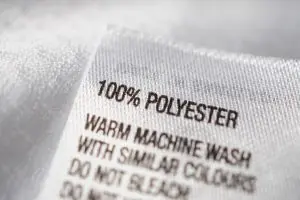
Synthetic fabrics pollute even more. When you wash clothes made from polyester, nylon, or acrylic, they shed tiny plastic fibers called microplastics. These fibers end up in rivers, oceans, and even inside our bodies. They’re now found in marine life and drinking water around the world.
Fast fashion also takes a toll on land. As more people buy cheap clothes, companies turn forests, grasslands, and farmland into cotton fields or wood-based fiber plantations, such as for viscose. This destroys wildlife habitats and leaves less land for growing food, especially in places where food is already in short supply.
All these environmental issues show the real price of cheap clothing. Fast fashion might seem like a bargain when you check out, but its long-term effects on water, nature, and local communities are much bigger than most people realize.
3. Waste Production
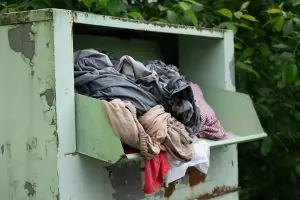
The fashion industry creates a huge amount of waste every year. In the U.S. alone, people throw away about 21 billion pounds of clothes each year, according to the Environmental Protection Agency. Only 15–20 percent gets reused or recycled, so most of it ends up in landfills or gets burned.
Globally, the problem is even bigger.
Experts say the fashion industry produces over 92 million tons of textile waste every year, and that number could grow a lot as clothing production speeds up.
Fast fashion encourages people to buy more clothes than ever, often wearing them just a few times before tossing them out.
Overproduction is also a big issue. Many brands make way more clothes than they actually sell. Unsold clothes might get destroyed, burned, or shipped off to dumping sites in other countries. Huge piles of unwanted clothing have shown up in places like Chile’s Atacama Desert and parts of Ghana, where mountains of old clothes from wealthier countries pollute local communities.
Fast fashion clothes can also contain harmful chemicals. Cotton grown with lots of pesticides may keep some of those residues, and many clothes are treated with chemicals like formaldehyde, heavy metals, and flame retardants to keep them from wrinkling, staining, or getting moldy during shipping.
When these clothes end up in landfills, natural fibers might break down over time, but synthetic fabrics like polyester and acrylic can take hundreds of years to decompose. While they sit there, they can release microplastics and chemicals into the soil, air, and water around them.
A lot of clothes that can’t be resold or recycled get burned, which releases greenhouse gases and toxic pollution into the air. Recycling tech is getting better, but the amount of clothing made each year still makes textile waste one of fashion’s biggest environmental problems. Learn how you can prevent your old clothing from entering landfills here.

How Fast Fashion Works
Fast fashion is all about speed, low costs, and keeping up with the latest trends. Unlike traditional brands that plan collections months ahead, fast fashion companies watch runway shows, celebrities, and social media to spot what’s hot. They quickly copy these looks and get them into stores in just a few weeks – if not sooner.
To keep prices down and production quick, these brands use synthetic fabrics (like polyester), cheaper materials, and big global supply chains. Clothes are made in large batches at factories where labor costs are lower. This way, companies can offer trendy pieces at very low prices and put out new styles all the time – even every day. Because of this, people end up buying and tossing clothes much faster than before. Since these items are cheap and trend-focused, they’re often worn just a few times before getting replaced by the next new look. That’s a big part of why fast fashion creates so much textile waste and pollution.
They say the average piece of clothing is only worn 7-10 times before it’s discarded. And while some people may think, “if it’s donated, then someone else can use it”, over 85% of what we donate will be discarded as well. Thrift stores are overwhelmed and unable to handle this amount of clothing.
Examples of Fast Fashion Brands
Here are 10 of the most famous fast fashion brands, but we consider the majority of the fashion industry unethical, unsustainable and most definitely fast! Find more brands we avoid here.
1. H&M
H&M is one of the leading fast fashion brands facing scrutiny for its unethical labor and waste generation. Recently, the brand topped the Fashion Transparency Index, meaning they’re more honest about environmental and human rights practices than most brands. Yet this rating doesn’t account for all their practices.
For example, H&M launched in-store recycling bins, which are meant to provide a place where old clothes can be discarded ethically in exchange for a discount. These bins lead consumers to believe their old clothes will be turned into new garments, suggesting that H&M has changed its ways. However, research shows that just 35% of what’s put into these bins actually gets recycled, while the rest ends up in the landfill. Plus, repurposing old clothes into new garments isn’t actually as easy as it sounds, especially when it’s cotton. So consumers may feel more inclined to buy new clothes from H&M under the condition they’ll be recycled when that isn’t actually the case.
Looking for sustainable alternatives to H&M? Check out this post here.
2. Nike
Nike is a global leader in athletic clothing. Their association with major sports teams and well-known athletes makes them seem trustworthy, but their practices suggest otherwise. One of the biggest problems with Nike is its labor practices. They’ve been accused of forced labor in China, and have also been linked to forced inmate labor in the United States. While they do provide some information on their supply chain, including which remediation processes they’ve implemented and their greenhouse gas production, whether or not they pay all workers a living wage hasn’t been addressed. From an environmental perspective, Nike still uses conventional cotton grown with pesticides (they’ve made some progress with a small percentage of clothing made from organic cotton). They also use large amounts of leather in their shoe production, which is an industry associated with high amounts of toxins and pollutants, plus animal rights violations.
If you like Nike for their activewear, we have a post on non-toxic alternatives.
3. Urban Outfitters
Urban Outfitters makes trendy, young-adult-focused clothing that’s popular on college campuses. Owned by the same parent company that produces clothes for Anthropologie and Free People, Urban Outfitters sells vintage-inspired clothes that appear to be repurposed, and the earthy, bohemian vibe presents the idea that their clothing is made in harmony with nature and made in small batches. They also sell clothing brands that are known to be sustainable, like Levi’s.
However, they’re actually a fast fashion brand convicted of numerous human rights and environmental violations. For one, they’ve been known to be quiet about their supply chain, and they haven’t shown evidence of minimizing waste or water consumption. Plus, they haven’t demonstrated that they pay their employees a living wage and have been known to ask their employees to work for free. Another reason to avoid Urban Outfitters is they’ve used cotton from Uzbekestan (which is known to use forced child labor), despite making a pledge not to. Also, Urban Outfitters and sister brands like Anthropologie have come under fire both for selling designs that further cultural appropriation and copying designs from Indigenous-owned brands and artists.
We have lists of sustainable alternatives to Urban’s sister stores: Free People / Anthropologie
4. Zara
Zara is a Spain-based clothing brand that sells European-inspired fashion in the United States and around the world. This brand launched fast fashion on the global stage. When the company arrived in New York in the ‘90s, it bragged about turning a product idea into something you could buy in just two weeks. Zara has tried to take responsibility for their influence on fast fashion, and similar to H&M, they’ve created a clothing recycling program called Close The Loop, which has in-store drop-off options. Yet, we don’t know what happens to these clothes after people drop them in the bin, and Zara doesn’t share how it manages or cuts down on textile waste during production. They’ve also taken steps toward increasing transparency around their supply chain. However, these companies force people to work in unsafe and discriminatory environments, sometimes even using forced labor.
If you love Zara’s style, we have a great list of sustainable alternaives here.
5. Forever 21
Forever 21 is one of the biggest names in fast fashion here in the US. The brand started in Los Angeles in 1984 and quickly became known for super affordable, trendy clothes made for younger shoppers. At its height, Forever 21 rolled out tons of new styles every season and was famous for bringing runway trends to stores fast and at low prices. Like many fast fashion brands, Forever 21 has gotten heat for making too many clothes, using lots of synthetic fabrics, and not being clear about where its products are made.
Learn more about why we avoid Forever 21 & find better alternatives here.
6. Boohoo
Boohoo is a huge online fast fashion brand from the UK, known for super trendy clothes at really low prices. They drop hundreds of new pieces every week, pushing shoppers to keep buying the latest looks. Boohoo has also been called out for issues around worker pay and safety in its supply chain, which has raised big questions about how transparent and fair their operations really are.
7. Fashion Nova
Fashion Nova blew up thanks to social media and celebrities, especially on Instagram. They’re known for cranking out the latest styles super fast, often copying what celebrities are wearing or what’s trending online. With its quick turnaround and affordable prices, Fashion Nova is one of the top names in ultra-fast fashion.
8. Abercrombie & Fitch
Abercrombie & Fitch isn’t always lumped in with the fast fashion crowd, but it still shares many of the same habits, like releasing new collections frequently and producing clothes on a large scale. The brand has tried to talk more about sustainability lately, but because it still releases lots of trend-based styles and produces in large volumes, Abercrombie still fits into the fast-fashion world.
We made a list of more sustainable alternatives to Abercrombie here.
9. PrettyLittleThing
PrettyLittleThing is another UK brand that runs on the fast fashion model. They pump out loads of clothing to keep up with the latest social media trends. With new items dropping all the time and super low prices, PrettyLittleThing makes it easy for people to grab trendy pieces they might only wear a few times.
10. Shein
Shein is an online retailer that’s gained popularity in recent years, mostly for its high volume of trendy styles available at extremely low prices. Similar to sites like Romwe and Zaful, Shein isn’t doing much to communicate their environmental or human rights impact. They’ve always been tight-lipped about all aspects of their supply chain and worker policies. This lack of transparency is troubling because it suggests they have something to hide. Shein is a fashion producer as well as a retailer of other brands. This makes it more possible they’re sourcing from companies that use harmful manufacturing processes. Since ethical, sustainable clothing production requires a greater investment, Shein’s low prices indicate their practices are neither. Shein has also demonstrated harmful religious and cultural appropriation with its designs, selling items like Islamic prayer rugs, swastika necklaces, and other clothing that misrepresents cultural identities and practices.
Learn why we avoid SHEIN with a passion & find better places to shop here.

Important Fashion Stats You Should Know
- The fashion industry produces 92 million tons of waste each year.
- Clothing production doubled from 2000-2015.
- A garbage truck of textiles is landfilled every second.
- The fashion industry is responsible for about 10% of global carbon emissions.
- Roughly 85% of all textiles end up in landfills each year instead of being reused or recycled.
- The average person today buys around 60% more clothing than they did 20 years ago, but keeps each item for about half as long.

What is Ultra-Fast Fashion?
Ultra-fast fashion takes things to a whole new level. Regular fast fashion brands might put out new styles every week or month, but ultra-fast fashion brands drop new looks every day, sometimes every hour. It’s all about chasing the latest social media trends and using data to make clothes super fast.
Brands like SHEIN and Temu don’t just copy trends; they actually create them as they happen. If something goes viral on TikTok, you might see a version of it for sale online just a few days later. They start with a small batch and, if it sells, make a lot more right away.
The result of this:
- Way too many clothes being made
- Super low prices that come with hidden costs for people and the planet
- Clothes made to be thrown away after just a few wears, if you even wear them at all
Ultra-fast fashion mostly uses synthetic fabrics, and it’s really hard to know where or how the clothes are made. These brands often skip regular stores, so it’s even tougher to hold them accountable. Unlike regular fast fashion, which at least ‘acts’ like it has seasons, ultra-fast fashion is all about always having something new. It encourages people to treat clothes like just another social media post, not something you keep or care about. If fast fashion isn’t good for the planet, ultra-fast fashion takes it to the extreme, and that’s pretty worrying.
What is Premium Fast Fashion?
How to Spot Fast Fashion
Fast fashion doesn’t always look obvious. Some brands have nice logos, simple styles, or even higher prices, but they’re still doing fast fashion behind the scenes. Here’s how you can spot it:
- Constant new arrivals
If a brand puts out new styles every week or even every day, that’s a big warning sign. Making clothes the right way takes time. Super fast turnarounds usually mean companies rush production and make way too many clothes.
- Extremely low prices
If you see a dress for $7 or a sweater for $15, someone (or something) is paying for it. Usually, it’s workers, the quality of materials, or the environment that takes the hit. (however, we would consider MOST fashion today as ‘fast fashion’ regardless of price)
- Heavy use of synthetics
Fast fashion uses a lot of polyester, nylon, and acrylic because they’re cheap and easy to make in huge amounts. These fabrics shed tiny plastics and don’t break down in nature.
- Vague sustainability claims
If you see words like “eco-friendly,” “conscious,” or “green collection” but there aren’t any real details or proof, it’s probably just for show. Big brands like Zara and H&M do this a lot.
- Little to no supply chain transparency
If brands don’t clearly tell you where they make your clothes, who makes them, or what materials they use, that’s usually a bad sign.
- Trend-first marketing
Brands that jump on every new trend (like influencer hauls and “must-have” looks) care more about making things fast and in huge numbers than about making things that last. SHEIN is known for this.
Fast fashion isn’t just about low prices; it’s also about being super quick, making tons of clothing, and treating clothes like they’re disposable. If you can spot these signs, you’re on your way to building a better, longer-lasting wardrobe.
Here’s a quick reference table to see the main differences between Fast Fashion & Sustainable Fashion
| Fast Fashion | Sustainable Fashion |
|---|---|
| Cheap synthetic fabrics (small % of natural) | Natural or organic materials |
| Rapid trend cycles | Timeless designs |
| Mass production | Small-batch production |
| Low prices (however, not always) | Higher quality investment pieces |
| Short lifespan | Long-lasting garments |
Alternatives to Fast Fashion
Luckily, fast fashion isn’t your only option when building your closet. More and more people choose quality, long-lasting clothes and make sure brands produce them responsibly, instead of just chasing the newest trends. Here are a few easy ways to make your wardrobe more sustainable.
1. Slow Fashion and Sustainable Brands
Slow fashion is all about buying less and choosing clothes made to last, not just for one season. Many sustainable brands use more durable stitching and non-toxic, eco-friendly fabrics. They also share exactly where and how they make their clothes. Instead of jumping on every new trend, slow fashion is about finding classic pieces you’ll want to wear year after year.
Find our favorite sustainable fashion brands here. (we also have a list for more affordable brands)
2. Secondhand Shopping
Shopping secondhand is one of the best ways to help the planet. Thrift stores, vintage shops, online resale sites, and clothing swaps all keep clothes in use longer. When you buy pre-loved clothing, you’re preventing clothes from ending up in landfills and reducing the need to make new ones.
Find our favorite secondhand clothing apps here.
3. Repairing Clothing
Fixing your clothes is another great way to break up with fast fashion. Small repairs (like sewing a loose seam, replacing a button, or patching up a hole) can keep your favorite pieces going for years. Lots of people are learning basic mending skills again or heading to a local tailor to keep their clothes in rotation.
Find our guide to mending your clothing here.
4. Choosing Natural Fibers
Even if you shop at conventional fast fashion stores, choosing natural fabrics can make a big difference. Cotton, linen, wool, and hemp break down more easily than synthetic materials like polyester or acrylic. Brand values still matter, but choosing natural fibers is a simple step toward a greener closet. Find some of our favorite organic cotton brands in this post here.
Learn why natural fibers are superior to synthetics.
FAQ About Fast Fashion
Is fast fashion always bad?
Fast fashion is all about making clothes quickly & selling them at very low prices, but the real problem is how it affects the planet and people. When companies make clothes too quickly, they create more pollution and waste, and often treat workers unfairly. The entire fast fashion business model is inherently unsustainable.
Why is fast fashion so cheap?
Fast fashion brands keep prices low by producing large volumes of clothing at once, using cheaper (often synthetic) materials, and having them made in places where labor costs less.
What is the opposite of fast fashion?
Slow fashion is the opposite of fast fashion. You buy less, pick better-quality clothes, and support brands that pay attention to how they make their products and what materials they use.
How can I avoid fast fashion?
You don’t have to give up your style to avoid fast fashion. Lots of people start by buying fewer, better-made clothes, choosing natural materials, shopping secondhand, and supporting brands that are open about how and where their clothes are made.
Fast fashion’s damage on people and the planet presents a sobering reality. However, increasing interest in both transparent supply chains and ethical consumerism has elevated the demand for more sustainable fashion. A 2020 report shows that nearly half of 18-24 year olds were very supportive of sustainable fashion (compared to 30 percent of 35-44 year olds).
Brands are following suit, committing to ethical manufacturing, garment recycling programs, and sustainable, nontoxic textile production. While this is promising, some brands may make false claims in order to appeal to audiences. It’s hard to know when fashion brands are telling the truth about their sustainable and ethical practices (especially since there’s still a significant lack of transparency throughout the supply chain), and when it’s purely greenwashing.
About the Author
Natalie Kay Costello is the founder of Sustainably Chic and has been writing about sustainable fashion for over a decade. Her work focuses on ethical brands, natural fabrics, and helping consumers navigate greenwashing in the fashion industry.























This was such a great post! Every time I see the facts surrounding fast fashion it ALWAYS shocks me. I don’t understand how human beings can be so immoral.
Did you also hear about the #payup trend? Practically all of the mentioned fast fashion brands who haven’t paid their workers for the work completed at the start of the pandemic!
yes! such a great campaign! we have an article on it here: https://www.sustainably-chic.com/blog/payup-campaign
Love the post!!! very informative
thank you for reading!