When temperatures drop, it’s tempting to reach for thick fleece jackets and polyester sweaters. While synthetic fabrics certainly have their place, they’re not the only option for staying warm. In fact, some of the best winter fabrics have been used for centuries because of their natural ability to insulate, regulate temperature, and last for years with proper care.
Whether you’re building a winter capsule wardrobe or simply looking for warmer clothing made from higher-quality materials, choosing the right fabric can make all the difference.
Here’s what we look for when shopping for winter clothing, and the fabrics we recommend most.
What Makes a Fabric Good for Winter?
Not all warm fabrics work the same way. The best winter materials typically offer one or more of the following:
- Excellent insulation
- Breathability
- Moisture management
- Durability
- Comfort against the skin
- Layering versatility
Natural fibers often excel because they help regulate body temperature rather than simply trapping heat, making them comfortable indoors and outdoors alike.
Looking for the best fabrics for summer? Check out this post here.
The Best Fabrics for Winter

1. Wool
If we could recommend just one winter fabric, it would be wool. Wool naturally traps air within its fibers, creating insulation that helps keep you warm while still allowing your body to breathe. (Pictured: Reformation Lucia Wool Jacket)
Another benefit is that wool continues to insulate even when it’s damp, making it a great choice for cold, wet weather. Make sure to look for Recycled Wool, Regenerative Wool, GOTS Wool, Responsible Wool Standard, or ZQ Merino Standard when shopping. (not all wool is created equal, so we suggest reading this post first)
Best for:
- Sweaters
- Coats
- Scarves
- Hats
- Socks
- Blankets
2. Merino Wool
Merino wool offers all the warmth of traditional wool with a much softer feel. Its fine fibers make it less itchy than many conventional wool garments, and it’s naturally moisture-wicking and odor-resistant.
Because it regulates temperature so well, merino wool is one of our favorite fabrics for layering.
Best for:
- Base layers
- Travel clothing
- Sweaters
- Socks
- Activewear

3. Alpaca
Alpaca fiber is naturally lightweight, warm, and exceptionally soft. It’s often warmer than sheep’s wool while remaining breathable, making it an excellent choice for cold climates.
Many people who find traditional wool itchy also enjoy wearing alpaca. (Pictured: Christy Dawn Jane Sweater)
Best for:
- Sweaters
- Hats
- Scarves
- Blankets
4. Cashmere
Few fabrics feel as luxurious as cashmere. Sourced from the soft undercoat of cashmere goats, it’s incredibly lightweight while providing exceptional warmth.
A well-made cashmere sweater can become a wardrobe staple for years, making it worth investing in quality over quantity.
Best for:
- Sweaters
- Cardigans
- Scarves

5. Flannel
Flannel isn’t actually a fiber; it’s a type of brushed fabric that’s commonly made from cotton or wool. The brushing process creates tiny air pockets that help retain warmth while giving flannel its signature soft feel. (Pictured: Outerknown Blanket Shirt)
It’s one of our favorite fabrics for cozy pajamas and button-up shirts.
Best for:
- Pajamas
- Shirts
- Bedding
6. Organic Cotton
While cotton isn’t as insulating as wool, heavyweight organic cotton still deserves a place in a winter wardrobe. Think sweatshirts, thermal layers, long-sleeve tees, and comfortable loungewear.
It’s especially useful for layering under warmer outer garments.
Best for:
- Sweatshirts
- Hoodies
- Thermal shirts
- Everyday basics

7. Fleece (Made from Natural Fibers)
When most people think of fleece, they picture polyester. However, fleece can also be made from natural fibers like organic cotton or wool. (You can read more about fleece and what fibers we look for in this post here)
If you’re shopping for fleece, we recommend looking for cotton or wool versions whenever possible to reduce reliance on synthetic materials.
Best for:
- Sweatshirts
- Jackets
- Loungewear
Winter Fabrics We Wear Less Often
Not every winter garment needs to be made from natural fibers, but there are a few materials we generally try to avoid when alternatives are available.
Polyester
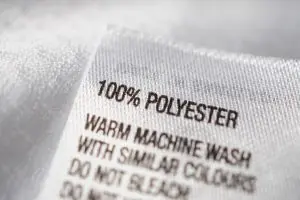
Polyester is commonly used in winter clothing because it’s inexpensive and warm, but it isn’t particularly breathable and can shed microplastics during washing.
Acrylic
Acrylic is frequently marketed as a wool alternative, but it doesn’t offer the same durability or temperature-regulating properties. It also tends to pill more quickly than natural fibers.
Virgin Nylon
Nylon is often added to outerwear for durability, but garments made primarily from virgin nylon rely on fossil fuels and can contribute to microfiber pollution.
Tips for Dressing Warm in Winter
Choosing the right fabrics is only part of the equation. Layering is often more effective than wearing one heavy garment.
We recommend:
- Starting with a breathable base layer like merino wool or organic cotton.
- Adding an insulating mid-layer, such as a wool or cashmere sweater.
- Finishing with a weather-appropriate coat.
- Choosing wool socks instead of synthetic ones to help keep your feet warm.
Rather than filling your closet with bulky winter clothing, investing in a few high-quality layers made from natural fibers can help you stay comfortable season after season.
FAQs
What is the warmest fabric for winter?
Wool is one of the warmest natural fabrics thanks to its excellent insulating properties. Merino wool, alpaca, and cashmere are also excellent choices for staying warm in cold weather.
Is wool warmer than cotton?
Yes. Wool provides significantly more insulation than cotton while remaining breathable and helping regulate body temperature.
Is merino wool itchy?
Most people find merino wool much softer than traditional wool because of its finer fibers. It’s commonly used for base layers worn directly against the skin.
Is cashmere worth the price?
A high-quality cashmere sweater can last for many years with proper care. If it’s within your budget, it’s a timeless investment that offers exceptional warmth without adding bulk.
What fabrics should you avoid in winter?
Polyester and acrylic are commonly used in winter clothing, but we generally prefer natural fibers like wool, merino wool, alpaca, and organic cotton whenever possible. They tend to be more breathable, longer lasting, and better at regulating body temperature.
Our Final Thoughts on Winter Fabrics ❄️
The best fabrics for winter don’t just keep you warm; they can also make your wardrobe more comfortable, durable, and versatile. Natural materials like wool, alpaca, organic cotton, and cashmere offer excellent insulation and breathability without relying as heavily on synthetic fibers.
As you build your cold-weather wardrobe, focus on quality over quantity and choose pieces you’ll wear for many winters to come. Investing in well-made clothing crafted from natural fibers is often one of the simplest ways to create a more comfortable, longer-lasting, and more thoughtful wardrobe.