Walk into almost any athletic store, and you’ll notice one thing: most workout clothes are made from polyester, nylon, and spandex. While these synthetic fabrics are lightweight and stretchy, they’re also plastic-based materials that can shed microfibers over time and are sometimes treated with finishes that raise additional concerns, such as PFAS.
Fortunately, there are more options than ever before. Brands are beginning to incorporate natural and lower-impact fibers into activewear, making it easier to find clothing that’s comfortable, breathable, and better aligned with your values.
Below are the fabrics we recommend most often when shopping for workout clothing.
What Makes a Fabric Good for Exercise?
The best workout fabrics should be:
- Breathable
- Moisture-managing
- Comfortable against the skin
- Durable enough for repeated washing
- Flexible for movement
- Easy to layer in different temperatures
The right fabric often depends on your activity. Yoga, walking, hiking, strength training, and high-intensity workouts all have different performance needs.
The Best Fabrics for Exercise

1. Organic Cotton
Best for: Walking, Yoga, Pilates
Organic cotton is one of our favorite fabrics for lower-impact workouts like walking, yoga, Pilates, stretching, and everyday movement. It’s naturally breathable, soft, and comfortable without relying heavily on plastic-based fibers. While it doesn’t dry as quickly as synthetic athletic fabrics, many people find it perfectly suitable for moderate exercise. Look for GOTS-certified organic cotton whenever possible.
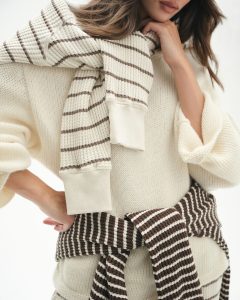
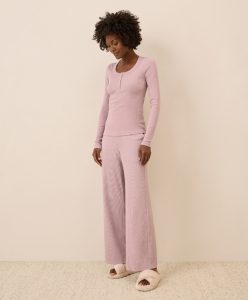
Pictured: Pact’s Organic Cotton On-The-Go Set
2. Hemp
Best for: Hiking, Walking, Outdoor Activities
Hemp is naturally durable, breathable, and resistant to odors, making it an excellent option for active lifestyles. It also becomes softer with wear while maintaining its strength, making hemp blends ideal for joggers, shorts, and lightweight tops.

3. TENCEL™ Lyocell
Best for: Yoga, Barre, Travel
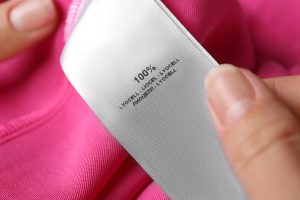
TENCEL™ Lyocell is a semi-synthetic fiber made from responsibly sourced wood pulp in a closed-loop manufacturing process. It’s lightweight, breathable, exceptionally soft, and helps manage moisture, making it one of our favorite alternatives to traditional synthetic performance fabrics. Many brands blend TENCEL™ with organic cotton for comfortable activewear.
Pictured: Tripulse
4. Bamboo
Best for: Yoga, lounge workouts, and recovery days
If produced as lyocell rather than conventional bamboo viscose, bamboo-based fabrics can be soft, breathable, and comfortable for low-impact exercise. Because manufacturing methods vary significantly, we generally recommend looking for transparency around how the fiber is produced. Most bamboo activewear is viscose, so make sure to look for brands with OEKO-TEX certifications.

5. Merino Wool
Best for: Hiking, camping and cold-weather exercise
Merino wool isn’t just for winter. This natural fiber helps regulate body temperature, wicks moisture, resists odors naturally, and performs well across a wide range of temperatures. It’s especially popular for hiking, running, and outdoor adventures. Many outdoor brands rely on merino wool because it remains comfortable even after hours of wear.
Pictured: Smartwool’s Thermal Base Layers
6. Linen
Best for: Walking, travel, and low-impact movement
Linen is one of the most breathable natural fabrics available, making it an excellent choice for leisurely walks, gentle hikes, stretching, or spending time outdoors in warm weather. While it doesn’t offer the stretch or moisture-wicking performance needed for high-intensity exercise, its lightweight feel and excellent airflow make it incredibly comfortable for everyday movement.
7. OEKO-TEX® Recycled Polyester or Nylon
Best for: High-intensity workouts, running, cycling, and performance sports
While we generally prefer natural fibers for everyday clothing, there are times when synthetic performance fabrics can be the most practical choice. For activities that involve heavy sweating or require stretch, moisture management, and durability, recycled polyester or recycled nylon can perform better than natural fibers. We recommend looking for recycled materials that are OEKO-TEX® certified, which helps verify the finished fabric has been tested for a range of potentially harmful substances. Keep in mind that these fabrics can still shed microplastics during washing, so washing less frequently when possible and using a microfiber-catching laundry bag or filter can help reduce their environmental impact.
Fabrics That Are Common in Activewear
Polyester
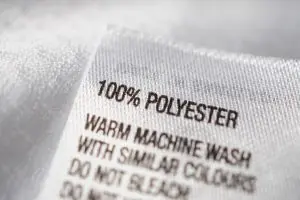
Polyester dominates the athletic apparel industry because it’s lightweight, durable, and dries quickly. However, polyester is made from petroleum, sheds microplastic fibers during washing, and isn’t biodegradable. Some polyester garments may also receive stain-resistant or water-resistant chemical finishes. That doesn’t necessarily mean you need to replace clothing you already own. One of the most sustainable choices is continuing to wear activewear you already have while considering more natural alternatives when it’s time to replace it.
Nylon
Nylon offers excellent durability and stretch, which is why it’s commonly found in leggings, sports bras, and performance gear. Like polyester, nylon is a synthetic plastic fiber that can release microfibers during laundering.
Elastane (Spandex)
Most athletic clothing contains some elastane to provide stretch and help garments maintain their shape. While it’s difficult to find completely plastic-free activewear, we generally recommend choosing pieces that maximize natural fibers while minimizing synthetic content whenever possible.
What About PFAS in Activewear?
Some athletic clothing (particularly items marketed as water-resistant, stain-resistant, or weatherproof) has historically been treated with PFAS (per- and polyfluoroalkyl substances) to improve performance. Not every piece of activewear contains PFAS, and many brands are actively working to phase these chemicals out. Still, if you’re trying to reduce your exposure, it’s worth looking for brands that specifically state their products are PFAS-free or have eliminated intentionally added PFAS from their collections. For most everyday workouts, these chemical treatments usually aren’t necessary.
Is Plastic-Free Activewear Possible?
Completely plastic-free activewear can be difficult to find. Many sports bras, leggings, and fitted garments require a small amount of elastane for stretch and recovery. Rather than aiming for perfection, we recommend looking for clothing made primarily from natural fibers like organic cotton, hemp, or merino wool with only the amount of synthetic material needed for performance. For activities like yoga, walking, strength training, and casual exercise, there are now more natural-fiber options than ever before.
What Certifications Should You Look For?
When shopping for activewear, certifications can provide additional confidence about the materials being used.
Some of our favorites include:
- GOTS (Global Organic Textile Standard)
- OEKO-TEX® STANDARD 100
- Responsible Wool Standard (RWS) for merino wool
- Fair Trade Certified™
- bluesign® (commonly found in outdoor apparel)

Our Favorite Activewear Brands Using Natural Fibers
If you’re looking to reduce the amount of plastic in your workout wardrobe, some brands worth exploring include:
- Pact (on Amazon)
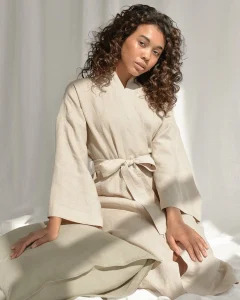
- Mate the Label (pictured)
- Patagonia
- Tripulse
- PAKA
- Boldwill
- Organic Basics (on Amazon)
- Cotopaxi
Frequently Asked Questions
What is the best fabric for exercise?
It depends on the activity. Organic cotton, merino wool, hemp, and TENCEL™ Lyocell are all excellent choices for different types of exercise, offering breathability and comfort with less reliance on synthetic fibers.
Is cotton good for working out?
Yes; for many activities. Organic cotton works especially well for walking, yoga, strength training, Pilates, and everyday movement. It may not dry as quickly as polyester during very high-intensity workouts.
Is merino wool good for exercise?
Absolutely. Merino wool naturally regulates temperature, manages moisture, and resists odors, making it popular for running, hiking, and outdoor sports.
Does activewear contain PFAS?
Some water-resistant or stain-resistant athletic clothing has historically contained PFAS treatments. Many brands are now moving away from intentionally added PFAS, so it’s worth checking product information if this is important to you.
Is plastic-free activewear possible?
Some workout clothing can be made almost entirely from natural fibers, but many performance garments still contain a small amount of elastane for stretch. Choosing styles with a high percentage of natural fibers is often a practical middle ground.
Our Final Thoughts ♡
The best fabric for exercise isn’t always the one with the most technical features; it’s the one that fits your activity, keeps you comfortable, and lasts for years of wear. While synthetic fabrics still dominate the activewear industry, natural fibers like organic cotton, hemp, merino wool, and TENCEL™ Lyocell are making it easier to build a workout wardrobe with less plastic. As always, the most sustainable choice is to wear what you already own, care for it well, and choose higher-quality pieces when it’s time to replace them.