The clothes we wear are a part of everyday life, but few of us stop to think about everything that goes into making them. From growing raw materials to dyeing fabrics, shipping garments around the world, and eventually throwing them away, every stage of a garment’s life has an environmental footprint.
The fashion industry is now considered one of the world’s largest polluting industries, contributing to greenhouse gas emissions, water pollution, textile waste, and the depletion of natural resources. While no fabric or brand is completely impact-free, understanding where these environmental costs come from can help us make more informed choices.
1. Water Use
Water plays a major role in nearly every stage of clothing production. From growing natural fibers to dyeing and finishing fabrics, the fashion industry relies heavily on freshwater resources.
Conventional cotton is often one of the most water-intensive materials, particularly when it’s grown in dry regions that depend on irrigation. While water requirements vary depending on climate and farming practices, producing cotton can place significant pressure on local water supplies. Choosing alternatives like organic cotton, linen, or hemp may help reduce some of these impacts, as they are often grown using more sustainable agricultural practices.
Water is also used throughout textile manufacturing to wash fibers, bleach fabrics, apply dyes, and create finishes such as wrinkle resistance or stain repellency. These processes can require thousands of gallons of water every day in large-scale factories.
Unfortunately, the issue isn’t just how much water is used; it’s also what happens to it afterward. In many parts of the world, wastewater from textile production is released into rivers and waterways without adequate treatment. This wastewater may contain dyes, heavy metals, salts, and other chemicals that can harm aquatic ecosystems, reduce water quality, and affect the health of nearby communities.
While some manufacturers have invested in wastewater treatment systems and lower-impact dyeing methods, water pollution remains one of the fashion industry’s most significant environmental challenges. To learn more about how the fashion industry pollutes water, read this post here.
2. Pollution
Clothing production contributes to pollution in more ways than many of us realize. From the chemicals used to dye fabrics to the fibers released every time we do laundry, pollution can occur throughout a garment’s entire life cycle.
One of the biggest sources of pollution comes from textile dyeing and finishing (like mentioned above). Fabrics are often treated with dyes, bleaches, softeners, wrinkle-resistant finishes, stain repellents, and other chemical treatments before they ever reach store shelves. If the wastewater from these processes isn’t properly treated, it can carry dyes, heavy metals, and other pollutants into nearby rivers and waterways, affecting both wildlife and surrounding communities.
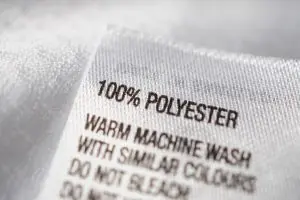
Synthetic fabrics present another challenge. Materials like polyester, nylon, and acrylic are made from petroleum and can shed tiny plastic fibers (known as microplastics) every time they’re washed. These fibers are too small to be captured by many wastewater treatment systems, allowing them to enter rivers, lakes, and oceans where they can persist for decades.
Some garments may also be treated with chemical finishes designed to add specific performance features, such as stain resistance, wrinkle resistance, moisture repellency, or antimicrobial properties. While these finishes can offer convenience, they often require additional chemicals during manufacturing. This is one reason many people choose clothing made with fewer unnecessary treatments and look for certifications like OEKO-TEX® or GOTS, which help verify that certain harmful substances have been restricted during production.
Air pollution is another piece of the puzzle & we will expand below…
3. Carbon Emissions
Every piece of clothing requires energy to produce, and each stage of the manufacturing process contributes to the fashion industry’s carbon footprint.
Energy is needed to grow or manufacture fibers, spin yarn into fabric, dye and finish textiles, sew garments, package products, and transport them around the world. Because today’s fashion supply chains often span multiple countries, a single garment may travel thousands of miles before it reaches your closet.
Synthetic fibers like polyester, nylon, and acrylic are particularly energy-intensive because they’re made from fossil fuels. Natural fibers also have an environmental footprint, but the amount of energy and emissions involved can vary depending on how they’re grown, processed, and transported.
Fast fashion has accelerated this cycle by introducing new collections at an unprecedented pace. As brands produce more clothing to keep up with changing trends, factories consume more energy, transportation increases, and more resources are used to manufacture garments that may only be worn a handful of times before being discarded.
Transportation is another area with high carbon emissions. Clothing is frequently shipped between multiple facilities during production before being transported to warehouses and retailers around the world. While shipping is only one part of fashion’s overall carbon footprint, global supply chains add to the industry’s environmental impact.
4. Textile Waste
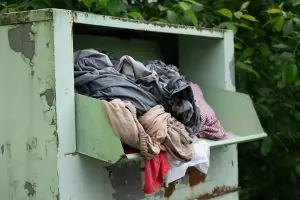
One of fashion’s biggest environmental challenges is the amount of clothing that ends up as waste each year. As clothing has become less expensive and trends change more quickly than ever, many garments are purchased, worn only a handful of times, and then discarded long before they’ve reached the end of their usable life.
While donating clothing can help extend the life of a garment, it’s important to remember that not every donated item is resold. Thrift stores often receive far more clothing than they can sell, and items that are stained, damaged, or out of season may be recycled, exported to other countries, or ultimately sent to landfills. That’s why donating should be viewed as one part of the solution; not the solution itself.
Read more about how our thrown out clothing is affecting people in other countries.
The rise of fast fashion has made overconsumption easier than ever. Constant new arrivals, trend-driven marketing, and low prices encourage us to buy more clothing than we truly need, often treating garments as disposable rather than long-term investments. As wardrobes grow, closets become overcrowded, and many pieces go unworn before eventually being cleared out.
5. Natural Resources
Every piece of clothing begins with raw materials, and producing those materials requires natural resources. Whether a garment is made from cotton, wool, linen, polyester, or another fiber, each comes with its own environmental considerations.
Natural fibers like cotton, linen, hemp, and wool rely on resources such as land, water, and healthy soil to grow or raise. Depending on how they’re produced, they may also require fertilizers, pesticides, irrigation, or grazing land.
Synthetic fibers, including polyester, nylon, and acrylic, are typically made from petroleum, a non-renewable fossil fuel. Manufacturing these materials requires significant amounts of energy and relies on finite natural resources. While recycled synthetic fibers can reduce the demand for virgin materials, they still depend on existing plastic and continue to present challenges such as microfiber pollution.
Beyond the fibers themselves, clothing production also requires electricity, fuel, chemicals, packaging materials, and water throughout every stage of manufacturing. From spinning yarn and weaving fabric to dyeing, finishing, sewing, and transporting garments around the world, each step uses valuable resources
What Can We Do?
While much of the responsibility lies with brands, manufacturers, and policymakers, consumers can also make choices that help reduce their impact.
Some simple ways to shop more sustainably include:
- Buying fewer, better-made pieces.
- Choosing natural or responsibly sourced fibers when possible.
- Taking care of your clothes so they last longer.
- Repairing garments instead of replacing them.
- Shopping secondhand when it makes sense.
- Donating or recycling clothing responsibly when you’re finished with it.
Small changes may not solve every problem, but they can help reduce unnecessary waste and encourage a fashion industry that values quality over quantity.
At Sustainably Chic, we believe sustainable fashion isn’t about replacing your entire wardrobe overnight. It’s about buying with intention, caring for what you already own, and choosing quality over excess whenever possible. Every piece you wear longer is one less piece that needs to be made ♡