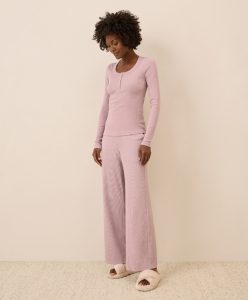
From tiny onesies to cozy sleep sacks, babies spend nearly every hour of the day wrapped in fabric. Because their skin is more delicate than ours, choosing soft, breathable materials can go a long way toward keeping them comfortable. (pictured: Mightly Organic Cotton Pajamas)
At Sustainably Chic, we don’t believe you need an entirely new wardrobe of expensive baby clothes. Instead, we recommend focusing on well-made essentials crafted from natural, breathable fibers whenever possible.
Here are the fabrics we look for most often… and a few we try to avoid.
What Makes a Fabric Good for Babies?
Baby clothing should be soft, breathable, and gentle against sensitive skin. Since babies can’t regulate their body temperature as well as adults, lightweight fabrics that allow airflow are often the most comfortable.
When shopping for baby clothes, bibs, blankets, or bedding, we typically look for fabrics that are:
- Soft against delicate skin
- Breathable
- Durable enough for frequent washing
- Comfortable year-round
- Made with natural or responsibly sourced fibers
- Free from unnecessary chemical treatments whenever possible
While every family has different priorities, choosing quality fabrics is one of the easiest ways to build a practical baby wardrobe.
The Best Fabrics for Babies

1. Organic Cotton
Best for: Everyday baby clothing
If we could recommend just one fabric for babies, it would be organic cotton. Soft, breathable, and easy to care for, organic cotton works well for nearly everything; from bodysuits and pajamas to swaddles, burp cloths, and crib sheets. We especially like organic cotton because it’s grown without synthetic pesticides and is commonly available with certifications like GOTS and OEKO-TEX®. (pictured: Organic Cotton Socks from Q for Quinn)
Why we like it:
- Soft and breathable
- Gentle on sensitive skin
- Durable for frequent washing
- Suitable year-round
- Widely available
2. Linen
Best for: Warm weather
Linen is one of the most breathable natural fabrics available, making it an great choice during warmer months. Although it isn’t commonly used for baby basics, linen works beautifully for lightweight rompers, blankets, and summer clothing.
Why we like it:
- Excellent airflow
- Lightweight
- Naturally breathable
- Durable
- Gets softer over time

3. TENCEL™ Lyocell
Best for: Extra-soft baby pajamas
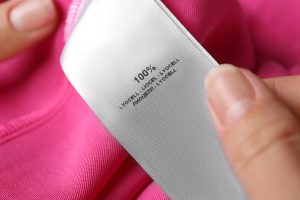
TENCEL™ Lyocell is one of the few semi-synthetic fabrics we regularly recommend. It’s incredibly soft, lightweight, and moisture-managing, making it a comfortable option for baby sleepwear and blankets. Look for brands that are transparent about their sourcing and manufacturing. (pictured: TENCEL™ Lyocell Sleeper by Loulou Lollipop)
Why we like it:
- Silky-soft feel
- Breathable
- Lightweight
- Moisture-wicking
- Gentle on skin
4. Merino Wool
Best for: Cooler weather
Fine merino wool is naturally temperature-regulating, helping babies stay warm without overheating. It’s often used in sleep sacks, hats, and base layers for colder climates. Choose soft, high-quality merino designed specifically for babies.
Why we like it:
- Naturally regulates temperature
- Moisture-wicking
- Lightweight warmth
- Soft when finely spun
- Great for layering
Fabrics We Like to Avoid for Babies
Polyester
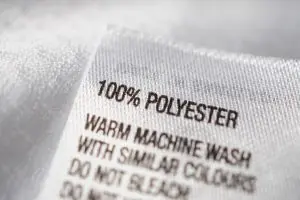
Polyester is found in many affordable baby clothes, blankets, and sleepwear. While it’s durable and inexpensive, we generally prefer natural fibers whenever possible because polyester isn’t as breathable and sheds microplastic fibers during washing. Plus, you are essentially wearing plastic when you wear a polyester garment.
Acrylic
Acrylic is commonly used in inexpensive knit sweaters and blankets. We typically choose natural fibers instead for better breathability and comfort.
Bamboo (Viscose/Rayon)
Although bamboo is often marketed as a natural and eco-friendly fabric, most bamboo clothing is actually made from bamboo viscose (or bamboo rayon). This semi-synthetic fiber is created by chemically processing bamboo pulp into a soft textile. While bamboo viscose can feel silky and comfortable, it is prone to mold because it traps moisture more than other natural fibers.
Heavy Synthetic Fleece
Many baby fleece blankets and pajamas are made from polyester. While they may feel cozy, they can trap heat more than breathable natural fibers. Organic cotton fleece or merino wool are often great alternatives.
PVC & Polyurethane Coatings
Some bibs, changing pads, and accessories use plastic coatings for waterproofing. While these can be practical, we generally prefer limiting plastic where suitable natural alternatives are available.
Certifications We Look For
Certifications aren’t required, but they can provide additional confidence when shopping for baby clothing.
Some of our favorites include:
- GOTS (Global Organic Textile Standard) for organic fibers and responsible manufacturing
- OEKO-TEX® Standard 100 for testing finished textiles for harmful substances
- MADE SAFE® on select baby products
- Fair Trade Certified™ when available

Tips for Choosing Better Baby Clothing
Building a baby wardrobe doesn’t have to be complicated. (pictured: Non-Toxic Baby Clothing Brand MakeMake Organics)
We recommend:
- Prioritize quality over quantity.
- Choose breathable fabrics for everyday wear.
- Size up when possible to extend wear.
- Wash clothing before first use.
- Buy secondhand for items babies quickly outgrow.
- Focus on versatile basics instead of large wardrobes.
Babies grow incredibly fast, so investing in fewer, well-made essentials often makes more sense than buying dozens of outfits.
Click here to find our favorite non-toxic and sustainable baby clothing brands.
Frequently Asked Questions
What is the best fabric for babies?
Organic cotton is one of our top recommendations because it’s soft, breathable, durable, and easy to wash. It’s an excellent choice for everyday clothing, pajamas, bedding, and blankets.
Is organic cotton better for babies?
Many parents choose organic cotton because it’s grown without synthetic pesticides and is widely available with trusted certifications like GOTS. It’s also incredibly soft and breathable.
Is polyester safe for babies?
Polyester is commonly used in baby clothing and is generally considered safe to wear. However, we typically prefer natural fibers like organic cotton because they’re often more breathable and don’t shed microplastics during washing. Polyester is a petroleum-based fiber, and is essentially plastic.
Is bamboo fabric good for babies?
It depends. Many bamboo baby clothes are actually made from bamboo viscose, a regenerated cellulose fiber. While the finished fabric is often very soft, the manufacturing process differs from natural bamboo. We generally prefer organic cotton first, followed by TENCEL™ Lyocell when looking for exceptionally soft fabrics.
Is merino wool too warm for babies?
Not necessarily. Fine merino wool is naturally temperature-regulating, which means it can help keep babies warm while remaining breathable. It’s a great choice for cooler weather when used appropriately.
What fabrics should babies avoid?
Rather than saying babies must avoid certain fabrics, we simply encourage choosing breathable natural fibers whenever possible. Heavy synthetic fabrics like polyester fleece or acrylic may trap more heat than organic cotton or linen, particularly in warm climates.
Our Final Thoughts…
The best fabric for babies is one that keeps them comfortable, allows their skin to breathe, and stands up to everyday life. For most families, that means reaching for natural fibers like organic cotton, linen, and merino wool, while thoughtfully incorporating responsibly made materials like TENCEL™ Lyocell when appropriate.
You don’t need a closet full of baby clothes to create a functional wardrobe. A handful of well-made, breathable essentials will often be worn (and loved) the most ♡