

Organic cotton is cotton grown without synthetic pesticides, herbicides, or genetically modified (GMO) seeds. Compared to conventional cotton, organic cotton is generally better for soil health, biodiversity, and farm workers while reducing chemical pollution. However, not all organic cotton is created equal, and certifications like GOTS play an important role in verifying environmental and social standards.
In this guide, we’ll explain what organic cotton is, how it’s different from conventional cotton, whether it’s actually sustainable, and what to look for when shopping.
What Is Organic Cotton?
Organic cotton is cotton grown without synthetic pesticides, herbicides, or genetically modified (GMO) seeds. Instead, farmers use natural methods like crop rotation, compost, and beneficial insects to maintain healthy soil and protect crops. These practices are designed to work with nature rather than against it, helping reduce pollution while supporting biodiversity.
When you see certified organic cotton, it typically means the fiber has been verified against strict agricultural standards. The most widely recognized certification is Global Organic Textile Standard (GOTS), which goes beyond farming practices to include responsible processing, limits on harmful chemicals, and social criteria throughout the supply chain.
That said, organic cotton isn’t automatically perfect. It still requires land and water to grow, and its overall impact depends on how it’s processed, dyed, transported, and manufactured. Like most materials, sustainability is about the entire lifecycle; not just one label.
At Sustainably Chic, we consider organic cotton one of the best fabric choices because it’s renewable, biodegradable, breathable, and typically produced with fewer toxic agricultural chemicals than conventional cotton. When paired with thoughtful manufacturing and high-quality construction, it can be a durable, comfortable fabric that you’ll wear for years.

How Is Organic Cotton Grown?
Organic cotton is grown using farming methods that work with nature rather than relying on synthetic chemicals. Instead of using synthetic pesticides, herbicides, and fertilizers, organic farmers focus on building healthy soil and supporting biodiversity through natural practices.
Some of the key principles of organic cotton farming include:
- No synthetic pesticides or herbicides: Organic farmers use natural alternatives to manage weeds and pests rather than conventional chemical sprays.
- No synthetic fertilizers: Soil fertility is maintained with compost, cover crops, and other natural methods that improve soil health over time.
- Non-GMO seeds: Organic cotton is grown from non-genetically modified cotton seeds.
- Crop rotation: Rotating crops helps replenish nutrients in the soil, reduce pests naturally, and minimize the need for outside inputs.
- Natural pest management: Farmers encourage beneficial insects, use biological controls like Bacillus thuringiensis (Bt), and create healthier ecosystems that reduce pest pressure without relying on harsh chemicals.
These practices don’t just benefit the cotton plants; they also help protect the people growing them and the surrounding environment. Reducing synthetic pesticides and fertilizers means fewer chemicals can wash into nearby rivers and lakes, helping lower the risk of water pollution and eutrophication, where excess nutrients create oxygen-depleted “dead zones” that harm aquatic life.
Organic cotton can also have a smaller water footprint than conventional cotton. While water use varies depending on where it’s grown, much of the world’s organic cotton is rain-fed, reducing the need for irrigation. Even when irrigation is used, studies have found that organic cotton generally requires significantly less irrigation water than conventional cotton, making it a more resilient option in regions facing water scarcity.
While organic cotton isn’t a perfect fiber (it still requires land, water, and responsible processing) its farming methods are a meaningful step toward a healthier agricultural system. When paired with certifications like GOTS, organic cotton offers one of the most trusted and transparent choices for anyone looking to build a more sustainable wardrobe.
What’s the difference between organic cotton vs. conventional cotton?
It’s important to note that cotton — whether organic or not — is produced differently across farms and countries, but when we talk about ‘conventional cotton’, we’re talking about the most common, average way that the fluffy plant is grown.
According to the Sustainable Apparel Coalition’s Material Sustainability Index, the environmental impact of conventional cotton production from cradle to gate (so basically, not considering cotton as a garment and its post-consumer ‘after-life’) is so significant that it’s the fifth most impactful material of all. After silk, alpaca wool, cow and goat leather, conventional cotton has the greatest eco-impact when considering global warming, eutrophication (which can lead to dead-zones), water scarcity, fossil fuels, and chemistry.
The majority of this eco-impact comes down to how thirsty conventional cotton is. You might have heard, for example, that a single conventional cotton t-shirt can require about 2,494 liters of water to make — enough water for a person to drink 2 liters daily, over nearly three and a half years. This is a big deal, given that freshwater is essential to life on Earth and something which 1.1 billion people around the world lack proper access to, including in top cotton production countries like India.
What’s worse though, is that water isn’t just used to grow conventional cotton, but is polluted in conventional cotton production. Because of the heavy and often careless use of fertilizers, pesticides and herbicides, waterways surrounding cotton farms can become polluted with these substances, harming the health of the ecosystem and all those living in it — humans included, when this contaminated water is drunk.
Carelessly used pesticides and herbicides in conventional cotton production can not only harm the environment, including soil health, but cotton farmers, too. In 2017, at least 50 farmers were killed in part of India, likely due to pesticide poisoning.
| Organic Cotton | Conventional Cotton |
|---|---|
| No synthetic pesticides | Uses synthetic pesticides |
| Non-GMO | Often GMO |
| Better soil health | More soil degradation |
| Lower chemical runoff | Higher runoff |
| Usually lower emissions | Higher emissions |
Is Organic Cotton Better for the Environment?
While no fabric is completely impact-free, organic cotton is generally considered a better environmental choice than conventional cotton. Its benefits come primarily from how it’s grown, not necessarily the fiber itself. By avoiding synthetic pesticides and fertilizers and focusing on healthier farming practices, organic cotton can reduce pollution, improve soil health, and support more resilient ecosystems.
💧 Water
Water is often one of the biggest concerns surrounding cotton, but organic cotton can have a smaller water footprint than conventional cotton. Many organic cotton farms rely primarily on rainfall rather than intensive irrigation, reducing pressure on local freshwater supplies. Healthy, organic soils also retain moisture more effectively, helping crops withstand dry conditions. That said, water use depends on where the cotton is grown. Organic cotton still requires water, but farming practices often make that water use more efficient.
🌱 Soil Health
Healthy soil is at the heart of organic farming. Instead of relying on synthetic fertilizers, organic farmers build soil fertility through compost, crop rotation, and cover crops. These practices improve soil structure, increase organic matter, and help the ground hold more water and nutrients over time. Healthier soils are also less prone to erosion and can remain productive for generations.
🦋 Biodiversity
Conventional cotton farming often relies on pesticides that can affect insects, birds, and other wildlife beyond the cotton field. Organic farming encourages biodiversity by reducing synthetic chemical use and creating healthier ecosystems where beneficial insects, pollinators, and microorganisms can thrive. Crop rotation and diversified farming practices also help support a wider range of plant and animal life.
🌍 Carbon Emissions
Organic cotton isn’t necessarily a low-carbon fiber, but healthier farming methods can help reduce its climate impact. Organic soils often store more organic matter, allowing them to hold additional carbon over time. Producing synthetic fertilizers also requires significant amounts of fossil fuels, so avoiding them helps reduce greenhouse gas emissions associated with farming. Transportation, manufacturing, dyeing, and consumer use still contribute to a garment’s overall carbon footprint, so choosing well-made clothing and wearing it for years remains just as important.
🚫 Chemicals
One of the biggest environmental advantages of organic cotton is the absence of synthetic pesticides, herbicides, and fertilizers. Reducing these chemicals helps limit contamination of nearby waterways, protects surrounding ecosystems, and reduces pollution during farming. It also decreases exposure to hazardous agricultural chemicals for farming communities.
Keep in mind that the farming stage is only one part of a garment’s lifecycle. Fabric dyeing, finishing, and manufacturing can still involve chemicals unless the entire supply chain follows stricter standards, such as those required by GOTS certification.
🐝 Wildlife
Wildlife benefits when fewer synthetic chemicals are introduced into the environment. Birds, bees, butterflies, soil organisms, and other beneficial species are less likely to be exposed to harmful agricultural chemicals on organic farms. Healthier soils and greater biodiversity also create habitats that support a wider variety of wildlife. While organic cotton farming doesn’t eliminate all environmental impacts, it generally creates conditions that are more supportive of healthy ecosystems than conventional cotton production.
Our Take
Organic cotton isn’t a perfect fabric, but it’s one of the most responsible natural fibers widely available today. Its biggest environmental benefits come from healthier farming practices that protect soil, reduce synthetic chemical use, conserve water in many growing regions, and support biodiversity. When combined with thoughtful manufacturing, durable construction, and long-term wear, organic cotton remains one of our favorite choices for building a more sustainable wardrobe.

Is Organic Cotton Better for Your Skin?
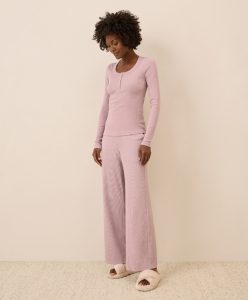
Organic cotton is often a popular choice for people with sensitive skin, but it’s important to understand why. Unlike conventional cotton, organic cotton is grown without synthetic pesticides and fertilizers. While these agricultural chemicals are largely removed during manufacturing, many people prefer organic cotton because it starts with fewer synthetic inputs and is often processed under stricter standards; especially when it’s GOTS certified, which limits the use of certain chemicals during dyeing and finishing as well. (pictured: Pact)
Organic cotton is also naturally soft and breathable. Its fibers allow air to circulate, absorb moisture, and help regulate body temperature, making it a comfortable option for everyday clothing, underwear, pajamas, bedding, and baby clothes. That said, organic cotton itself isn’t a medical treatment or guarantee against skin irritation. Skin sensitivity can be caused by many factors, including dyes, fabric finishes, detergents, and individual allergies. A garment made from organic cotton that’s heavily dyed or chemically finished may still cause irritation for some people.
If you have particularly sensitive skin, eczema, or allergies, we recommend looking for undyed or low-impact dyed organic cotton that’s certified by GOTS or OEKO-TEX® STANDARD 100, as these certifications help ensure the finished fabric has been tested or produced with restrictions on potentially harmful substances.
At Sustainably Chic, we love organic cotton because it’s soft, breathable, and made with fewer synthetic agricultural chemicals. While it isn’t a cure for sensitive skin, it’s often one of the most comfortable and thoughtful fabric choices for those looking to reduce unnecessary chemical exposure in their wardrobe.
Is Organic Cotton Worth the Price?
Organic cotton clothing often costs more than conventional cotton, but that doesn’t necessarily mean it’s overpriced. The higher price reflects more labor-intensive farming methods, lower crop yields, certification costs, and, in many cases, higher environmental and social standards throughout the supply chain. Whether it’s worth the investment depends on what you’re buying and how often you’ll wear it.
It Often Lasts Longer
Organic cotton is the same fiber as conventional cotton, so durability ultimately depends on the quality of the yarn, fabric, and construction. Many brands that invest in organic cotton also prioritize better craftsmanship, creating garments designed to last for years instead of just one season. The longest-lasting piece isn’t always the cheapest; it’s often the one you continue reaching for over and over again.
Think About Cost Per Wear
Rather than focusing only on the price tag, consider cost per wear. A $90 organic cotton sweater worn 90 times costs about $1 per wear. A $25 sweater that loses its shape after 10 wears actually costs $2.50 per wear. Buying fewer, higher-quality pieces that last can often save money over time while reducing waste.
When It Makes Sense to Spend More
We think organic cotton is worth prioritizing for the items you use the most, such as:
- Everyday T-shirts
- Underwear and socks
- Pajamas
- Baby clothing
- Bedding and towels
- Wardrobe basics you’ll wear year-round
These are the pieces that see the most use, making durability and comfort especially valuable. For trend-driven items or clothing you’ll only wear occasionally, paying a premium may not always make sense. Shopping secondhand, waiting for sales, or choosing well-made conventional natural fibers can also be thoughtful options.
Our Take
We don’t believe everyone needs to spend hundreds of dollars to dress more sustainably. The goal isn’t to buy the most expensive organic cotton clothing; it’s to buy better, wear it longer, and choose pieces you’ll genuinely love for years. If an organic cotton garment fits your budget, is well made, and fills a real gap in your wardrobe, it’s often an investment worth making.
Is All Organic Cotton The Same?
Not all organic cotton is grown equal. If we look at something like Global Organic Textile Standard (GOTS) certified organic cotton, we get a material that must meet ecological and social health criteria. These include wastewater treatment to prevent contamination, even by natural fertilizers, and the assurance that farmers and farmworkers are paid living wages. This is wonderful, and a great reason to look out for GOTS-certified organic cotton clothing, but the GOTS standard exists because this is not the norm in cotton production, even within organic cotton production.
What Certifications Should You Look For?
Not all organic cotton clothing is certified, especially from smaller brands that may not have the budget for third-party verification. However, certifications can provide added confidence that a product meets certain environmental or social standards.
Here are the ones we look for most often:
🌿 Global Organic Textile Standard (GOTS)
Best for: Verifying organic cotton from farm to finished garment.
GOTS is widely considered the gold standard for organic textiles. To earn certification, a product must contain at least 70% certified organic fibers, while products labeled “organic” must contain at least 95% certified organic fibers.
GOTS goes beyond the farm by setting standards for:
- Organic fiber content
- Restricted chemicals in dyeing and finishing
- Wastewater treatment
- Environmental management
- Worker health, safety, and social criteria
If you’re buying organic cotton clothing, GOTS is one of the strongest certifications you can look for.
🌱 Organic Content Standard (OCS)
Best for: Verifying the amount of organic cotton in a product.
The Organic Content Standard (OCS) tracks certified organic fibers through the supply chain, confirming that a product contains the percentage of organic material it claims. Unlike GOTS, OCS focuses on fiber traceability and organic content. It does not set requirements for chemical processing, wastewater treatment, or labor conditions. While OCS is a valuable certification, we generally prefer GOTS because it covers the entire manufacturing process.
🤝 Fair Trade Certified
Best for: Supporting workers and farming communities.
Fair Trade certification focuses on the people behind the product. It helps ensure workers receive fair wages, work in safer conditions, and have access to community development funds. Fair Trade doesn’t mean the cotton is organic, but it’s an excellent certification to see alongside GOTS or OCS if you’re looking for both environmental and social responsibility.
🏷️ OEKO-TEX® STANDARD 100
Best for: Finished product safety.
OEKO-TEX® STANDARD 100 tests the finished textile for hundreds of potentially harmful substances, including certain dyes, heavy metals, formaldehyde, and other chemical residues.
One important distinction: OEKO-TEX does not mean the cotton is organic. A garment made from conventional cotton (or even polyester) can still receive OEKO-TEX certification if the finished product passes the chemical safety tests. That’s why we see OEKO-TEX and GOTS as complementary certifications rather than competing ones. GOTS focuses on how the cotton is grown and processed, while OEKO-TEX focuses on what remains in the finished textile.
Are There Other Types of Sustainable Cotton?
As well as the ethical and far more sustainable organic cotton certified by GOTS or other legitimate groups, there is other more sustainably sourced cotton, too.
Australian grown cotton, for example, has reduced its use of synthetic insecticides by 97% since 1992, and the vast majority of Australian cotton growers are a part of the voluntary my Best Practice Management (myBMP) program. This program demands over 300 criteria for the more sustainable and ethical production of cotton. Such criteria include the use of rotational crops that release soil-beneficial nitrogen into the soil, like chickpeas, and criteria around water management. Australian cotton is more water-efficient than that of many other countries. Also from Australia comes Good Earth Cotton, which is reportedly carbon positive and completely traceable from ‘seed to shelf’, thanks to FibreTrace technology. This is a fantastic step towards total ethics fashion.
Another great option is recycled cotton, which has a reduced impact compared to both conventional and organic cotton since no land is needed for agriculture, so it can be kept natural and biodiverse. It’s always good to use what we already have.
Are There Any Issues With Organic Cotton?
Not even organic cotton is not free of issues. Unless organic cotton is grown within a standard like GOTS, or the Fair Trade scheme, cotton being organic does not ensure it is an ethical or wholly sustainable crop. Organic cotton can be more land-intensive, producing less cotton per hectare than genetically modified cotton. Cotton that is genetically modified to have the Bt natural protein inside of it, rather than sprayed over it, cannot be considered organic even if no additional pesticides or herbicides are used on the crop. This Bt cotton is often more land efficient, meaning more land which can be kept natural, full of trees and life.
Because of the discrepancies in organic cotton production, certified organic cotton is a safer bet. Unless obliged to follow criteria like those in the Global Organic Textile Standard, without transparency, we can’t know that an organic cotton farm isn’t irrigating their crop with significant amounts of water or harvesting their cotton in a way that harms soil health. In this way, organic cotton can still have water scarcity and soil health impacts associated with it.
When we consider ethics, we must remember that cotton production has historically been linked to the Atlantic slave trade. Today, one in five cotton products are tied to the unjust treatment of ethnic minority groups in Xinjiang, China, where more than half a million people are forced to pick cotton. After India, China is the second-largest producer of organic cotton. This isn’t to say that cotton grown in China can never be ethical, but with little transparency in the industry, it is nearly impossible to know if non-certified organic cotton is tied to forced labor, or modern slavery.
Organic Cotton vs. Other Natural Fabrics
Organic cotton is one of our favorite fabrics, but it isn’t the only great option. Every fiber has its own strengths, and the best choice often depends on how and where you’ll wear it.
🌿 Organic Cotton vs. Linen
Both organic cotton and linen are breathable, biodegradable, and made from renewable plants, but they perform a little differently. Linen is made from the flax plant and is exceptionally breathable, making it one of the best fabrics for hot weather. It requires relatively little water to grow and is known for its durability. Organic cotton, on the other hand, feels softer from day one and tends to wrinkle less, making it a versatile choice for everyday basics like T-shirts, underwear, and pajamas.
Best for:
- Organic cotton: Everyday comfort and softness
- Linen: Hot climates and warm-weather clothing
🌱 Organic Cotton vs. Hemp
Hemp is one of the lowest-impact natural fibers available. It grows quickly, generally requires little irrigation, and naturally resists many pests. Hemp is also incredibly durable and becomes softer with wear. Organic cotton usually feels softer immediately, while hemp can have a more structured texture, although modern hemp fabrics are often blended or processed for a softer feel.
Best for:
- Organic cotton: Soft everyday essentials
- Hemp: Durable clothing with a lower environmental footprint
🐑 Organic Cotton vs. Wool
Wool offers very different performance benefits than cotton. It naturally regulates temperature, insulates even when damp, and resists odors, making it an excellent choice for sweaters, socks, and outdoor clothing. Organic cotton is generally lighter, more breathable in warm weather, and easier to care for. If you’re shopping for winter clothing, wool is often the better performer. For year-round basics, organic cotton is hard to beat.
Best for:
- Organic cotton: T-shirts, underwear, bedding, and warm-weather wear
- Wool: Cold-weather layers and outdoor apparel
🌳 Organic Cotton vs. TENCEL™ Lyocell
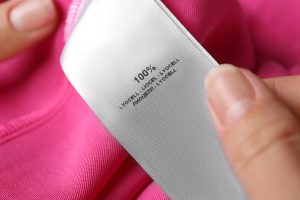
TENCEL™ Lyocell is a semi-synthetic fiber made from responsibly sourced wood pulp in a closed-loop production process that recovers and reuses most of the processing solvents. It’s exceptionally soft, breathable, and drapes beautifully, making it popular for dresses, blouses, and lightweight clothing. Organic cotton offers a more traditional cotton feel and is often more durable for everyday basics. We don’t see these fabrics as competitors; they often complement each other well in a sustainable wardrobe.
Best for:
- Organic cotton: Everyday wardrobe staples
- TENCEL™ Lyocell: Soft, lightweight, and flowy garments
Our Take
At Sustainably Chic, we don’t believe there’s one “perfect” fabric. Instead, we encourage choosing the material that’s best suited for the garment and how you’ll use it.
If we were building a wardrobe from scratch, we’d reach for:
- Organic cotton for everyday basics
- Linen for summer
- Hemp for durable everyday pieces
- Wool for warmth and performance
- TENCEL™ Lyocell for soft, lightweight clothing with beautiful drape
Together, these natural and lower-impact fibers can create a wardrobe that’s comfortable, versatile, and made to last.
Frequently Asked Questions
Is organic cotton actually better?
In many cases, yes. Organic cotton is grown without synthetic pesticides, herbicides, or fertilizers and often has a lower environmental impact than conventional cotton. While it isn’t a perfect fabric, it’s one of the most responsible natural fibers widely available, especially when it’s certified by GOTS.
Is 100% organic cotton worth it?
If it fits your budget, we think so. Organic cotton is soft, breathable, biodegradable, and durable when well made. For everyday essentials like T-shirts, underwear, pajamas, bedding, and baby clothing, the higher upfront cost can often be offset by years of wear.
Does organic cotton shrink?
It can. Like conventional cotton, organic cotton may shrink if washed in hot water or dried on high heat. Following the care instructions; typically washing in cold water and air drying or tumble drying on low—can help minimize shrinkage and extend the life of your clothing.
Is organic cotton softer?
Organic cotton is naturally soft and often becomes even softer with wear and washing. While softness ultimately depends on the quality of the yarn and fabric, many people find organic cotton more comfortable than conventional cotton because it’s made into high-quality basics designed for everyday wear.
Is organic cotton non-toxic?
Organic cotton is grown without synthetic pesticides and fertilizers, but “organic” doesn’t automatically mean “non-toxic.” Fabrics can still be dyed or finished with various chemicals during manufacturing. For greater confidence, look for certifications like GOTS, which restricts many chemicals used in processing, or OEKO-TEX® STANDARD 100, which tests the finished textile for hundreds of potentially harmful substances.
Does organic cotton use less water?
Often, yes. Many organic cotton farms rely primarily on rainfall rather than intensive irrigation, and healthy soils retain moisture more effectively. However, water use depends on climate and growing conditions, so no single number applies to every farm.
Is GOTS organic cotton better?
GOTS certification doesn’t make the cotton itself “better,” but it does provide greater transparency. It verifies organic fiber content while also setting standards for chemical use, wastewater treatment, environmental management, and worker welfare throughout the supply chain. It’s the certification we trust most for organic textiles.
Can organic cotton contain chemicals?
Yes. Organic farming restricts synthetic agricultural chemicals, but clothing may still be dyed or finished during manufacturing. That’s why certifications matter. GOTS limits many chemicals used in textile processing, while OEKO-TEX® STANDARD 100 tests the finished product for potentially harmful substances.
Is organic cotton biodegradable?
Yes. Like conventional cotton, organic cotton is a natural plant fiber that is biodegradable under the right conditions. However, finishes, synthetic blends, elastane, or plastic trims can reduce a garment’s ability to fully biodegrade.
Is organic cotton good for babies?
Yes. Organic cotton is one of our favorite fabrics for babies because it’s soft, breathable, and grown without synthetic pesticides. Many parents also appreciate that GOTS-certified organic cotton limits the use of certain chemicals during processing. While no fabric can guarantee it won’t irritate sensitive skin, organic cotton is a thoughtful choice for baby clothing, blankets, and bedding.
Can organic cotton be blended with other fabrics?
Absolutely. Organic cotton is often blended with materials like linen, hemp, TENCEL™ Lyocell, or a small amount of elastane to improve stretch, durability, or drape. If you’re looking for the lowest-impact option, choose garments with a high percentage of natural fibers and only as much stretch fiber as needed.
What is the best certification for organic cotton?
If we had to choose just one, it would be GOTS (Global Organic Textile Standard). It covers organic fiber content, chemical processing, environmental management, and social responsibility, making it the most comprehensive certification for organic textiles.
Our Final Thoughts on Organic Cotton
Organic cotton isn’t a perfect fabric, but it’s one of the best widely available choices for building a more sustainable wardrobe. When paired with trusted certifications like GOTS and thoughtful shopping habits, it can significantly reduce the environmental impact of everyday clothing. Choosing fewer, higher-quality garments made from certified organic cotton is often a more sustainable decision than simply buying more clothing; regardless of the fiber.


















It’s honestly beyond believe the amount of water typically needed for a t-shirt.